


 Business Recorder
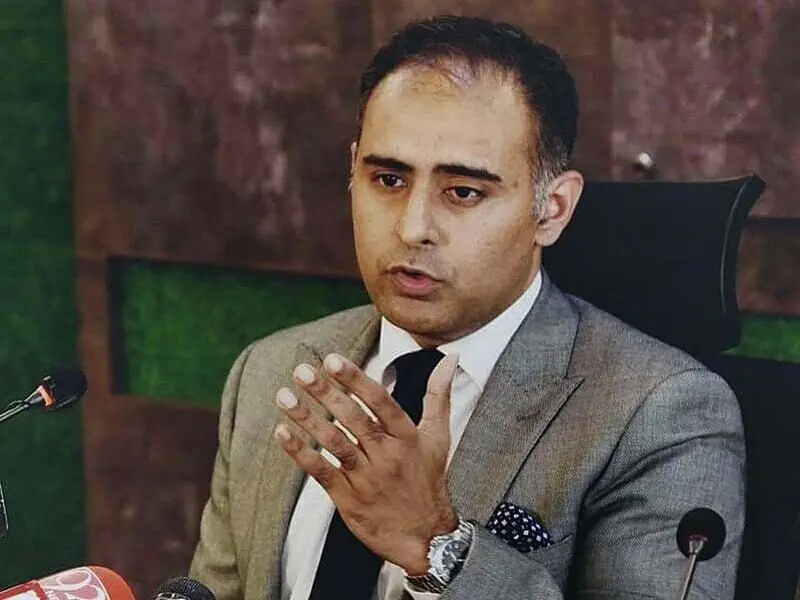
ISLAMABAD: Minister of State for Finance Bilal Azhar Kayani Friday hinted tax relief to salaried class and individuals in the upcoming federal budget (2026-27) during first week of June. Bilal Azhar Kayani also announced reduction in import tariffs including customs duties, regulatory duties and additional customs duties on raw materials and inputs under the second phase of tariff rationalization plan in coming budget. But the government will ensure safeguards of anti-dumping duties for the domestic industries by the National Tariff Commission (NTC). He was addressing the Pakistan’s first-ever National Tax Payers Convention 2026 commenced here on Friday at bringing together tax experts, business leaders, economists, lawyers, political representatives, chambers of commerce, and documented taxpayers to deliberate on the future of a fair and transparent tax system in the country. The two-day convention, organized by the Tax Payers Alliance Pakistan (TPAP) in collaboration with PRIME Institute, seeks to build a collective national voice for fairness, simplicity, predictability, and accountability in taxation. Minister of State for Finance stated that the government want to reduce the tax burden on salaried class in coming budget. But due to ongoing budget process, “I do not want to say anything which is not appropriate at this time regarding ongoing budget making exercise,” he remarked. As far as salaried class is concerned, there is no doubt they are overburdened, he said. The federal budget will be presented in the first week of June and draft Finance Bill 2026 will be presented before both the finance committees for discussion. Bilal Azhar Kayani said that for the first time the Finance Bill is being reviewed at both the Senate and National Assembly Standing Committees on Finance. Both the committees will discuss the coming Finance Bill this year also. It is a thorough process resulting in improvement in the finalization of budget proposals. Both the Finance committees will review proposals on tax rates and removal of anomalies in the tax laws, he said. Despite fiscal constraints, the government will try its level best to incorporate proposals of the business and trade, he said. Prime Minister Shehbaz Sharif has personally supervised implementation of reforms within the tax administration, he stated. He stated that the competitiveness of the complaint taxpayers is severely affected due to unfair cost difference with the non-compliant taxpayers which will be checked through production monitoring system. The opening session began with registration, recitation and national anthem, followed by welcome remarks by Dr Ali Salman, Chief Convenor of TPAP, and an opening statement by Dr Khalil Ahmad, Founding Member of TPAP. Minister of State for Finance and Railways Bilal Azhar Kayani attended as chief guest and delivered the keynote address, highlighting the importance of improving trust between taxpayers and the state and underscoring the need for broadening the tax base without overburdening documented sectors. The first panel discussion titled “Tax Subjects: Managing Complexity on Ground” focused on the practical difficulties faced by businesses and documented taxpayers under Pakistan’s fragmented and compliance-heavy tax regime. Speakers included Javed Iqbal, Chairman of the Pakistan Association of Large Steel Producers; Arshad Dad, Chief Advisor of the Constructors Association of Pakistan; and real estate analyst Ahsan Malik. The panel was moderated by former TPAP chairman Dr Shimail Daud. Participants highlighted overlapping taxes, excessive documentation requirements, inconsistent policies, and arbitrary enforcement as major impediments to economic growth and voluntary compliance. Real estate expert Ahsan Malik explained in detail the implications of judgement of the federal constitutional court on section 7E of the Income Tax Ordinance on the buying and selling of immovable properties. The major flight of capital was due to controversial tax under section 7E of the Income Tax Ordinance. Ahsan Malik also highlighted administrative issues in the working of the FBR while dealing with the real estate sector and developers and builders. A key session of the day, “Tax Structure,” featured noted tax expert Dr Ikramul Haq, former Pakistan Tax Bar Association president Anwar Kashif Mumtaz, and Asfandyar Farrukh, Chairman of the Chainstore Association of Pakistan. Moderated by Advocate Ahmed Bashir, the panel critically examined Pakistan’s dependence on indirect taxation, withholding regimes, and frequent policy shifts that disproportionately impact compliant taxpayers and organised businesses. Copyright Business Recorder, 2026
Go to News Site