


 Rural News
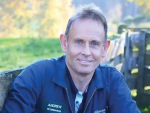
Adopting strategies to reduce worm burden on farm goes hand-in--hand with best practice farm management practices to optimise stock production and performance, veterinarian Andrew Roe says. A production animal veterinarian with Clutha Vets, Roe's practice services the South Otago region, and he observes a ris in drench resistance in the area. "Looking at the positives, good worm management tools and strategies often align with good farming management practices. By reducing stock exposure to worms you are maximising their potential to be healthy and productive," he says. Roe says Beef + Lamb New Zealand and Wormwise workshops have helped disseminate information to farmers, but it's still a minority of clients who have gone as far as a full faecal egg reduction test. Resistance Often Difficult to Detect Early "There is a thought that at the bottom of the South Island, drench resistance is not as bad as further north. Combination drenches, particularlyh triples, have largely been working on most farms up until about four years ago. Since then, about a quarter of the farms we have done reduction tests on now have triple drench resistance." Research has shown that drench resistance doesn't stand out, clinically at least, in terms of visible production loss until drenches have dropped to around 60% efficacy. Farms could be sitting at 80 to 85% effectiveness and this will not necessarily be showing up in lamb performance, he explains. "We would encourage farmers to consider, just because you are getting good performance and lambs are growing well, it doesn't mean you do not have a drench resistance issue or early stages of drench resistance." Testing Important for Understanding Farm Status A good first step is to understand your status and what is working on your farm. Get a faecal egg reduction test or, at the least, carry out a post-drench check on the drench you are using for the year, especially if it is a triple. Reducing Reliance on Drenching. Aside from monitoring, best practice includes trying to reduce drench inputs, where possible. "We tend not to push that too much in the early part of the season, four-weekly drenching in December to January when lambs are shedding a lot of eggs is still important. It's a generalisation but I would recommend four-weekly drenching for the first two to three drenches to suppress egg production that will flow on to autumn. After that, monitoring egg counts will show if you can reduce the drench frequency." With adult sheep, Andrew recommends avoiding blanket drenching but says there are cases where ewes will benefit from a drench, like skinnier and tail end ewes or triplet bearing ewes who could use a boost. Integrated Grazing and FARMED Principles Along with drench as a tool, there are other well documented strategies that can help reduce the worm burden such as using other classes of stock to mop up the worms, like cattle. The Wormwise FARMED acronym of feeding well, avoiding exposure to pasture with a high worm burden, refugia, monitoring and effective drench should all be considered as part of developing an individual farm parasite management plan. "We find that for people who have encountered drench resistance issues and changed things in their system to reduce their reliance on drench, stock performance increases anyway. This is because they have reduced exposure to worms in the first place, which will result in better growth rates." Autumn Worm Pressure a Major Risk Andrew observes that most drench resistance in the region seems to be involving Trichs (Trichostrongylus) in autumn. If farmers have strategies in place to grow lambs quickly and get them away faster, then the majority of lambs are gone before the main worm culprit turns up in autumn. Tailored Parasite Plans Essential Vets have an important role to play in supporting farmers to understand their drench status but equally in helping them to develop a parasite management plan that is tailored to their individual farm. Planning means taking the information available from the likes of Wormwise and putting it into tangible action on your farm. Vets and advisors bring an element of discipline to the process, identifying th information that is applicable to you and ensuring follow up. A plan will depend on many factors, such as stock classes on the farm - do you have cattle to use for integrated grazing? Climatic conditions play into it, and whether you are a dryland or irrigated property. When developing a sustainable worm management plan for a farm Andrew considers four main objectives: Reducing worm larvae exposure to your lambs/hoggets Diluting resistant worms with ones that are susceptible (not exposed) to drenches Maximising your lambs' ability to fight off what worms they do pick up Using effective drenches when you do need to drench, and using them strategically For each farmer, he then suggests some strategies or recommendations relevant to their farm, under each of the four headings. Article supplied by Zoetis #CLUTHA_VETS #WORMING #ANDREW_ROE
Go to News Site