


 Business Recorder
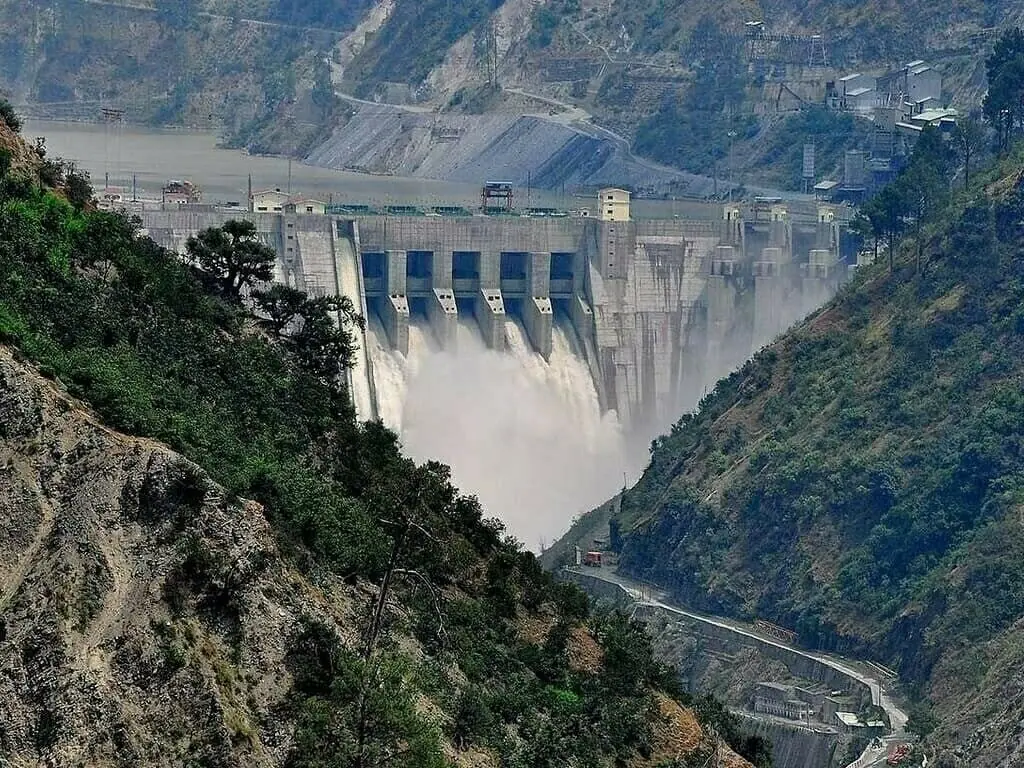
EDITORIAL: Pakistan has expressed “utmost satisfaction” over the supplemental award by the Permanent Court of Arbitration (PCA), which marks an important diplomatic and legal development in the long-running dispute with India over the Indus Waters Treaty (IWT). At a time when tensions between the two countries remain persistently high, the ruling has reinforced a fundamental principle of international law: treaties cannot be interpreted unilaterally by one party, particularly when the rights and interests of another state are directly affected. The PCA’s findings regarding the Ratle and Kishen Ganga hydroelectric projects in occupied Jammu and Kashmir go far beyond technical questions of engineering design. At the heart of the dispute lies the broader issue of control over the western rivers allocated to Pakistan under the 1960 Indus Waters Treaty. The supplemental award has effectively reaffirmed that India’s rights to develop run-of-river hydropower projects are not unlimited. The treaty imposes substantive restrictions on water storage, pondage, and operational manipulation that could adversely affect downstream flows into Pakistan. This is particularly significant because water is increasingly linked to national security, food production, energy generation, and climate resilience. In a region already vulnerable to glacial melt, erratic monsoons, and growing water scarcity, even the perception of upstream manipulation can generate serious political and strategic anxieties. The PCA’s insistence that pondage must be justified by “real project needs” and supported through adequate technical information strengthens transparency and accountability within the treaty framework. The award also reinforces Pakistan’s review rights. The ruling clarifies that India bears the burden of demonstrating treaty compliance and must provide sufficient data and technical explanations regarding its hydropower projects. This aspect of the award closes potential loopholes that could allow ambiguity or delayed disclosures to undermine the spirit of the treaty. For Pakistan, this constitutes an important legal and diplomatic gain, enhancing its ability to scrutinise future projects before irreversible construction takes place. India’s rejection of the PCA award, however, raises troubling questions about the future of bilateral water cooperation. New Delhi’s claim that the Court of Arbitration lacks legitimacy sits uneasily with the fact that the IWT itself provides clear mechanisms for dispute resolution, including neutral expert proceedings and arbitration. Having signed and benefited from the treaty for decades, India cannot selectively accept only those provisions that serve its interests while dismissing unfavourable outcomes. Such an approach weakens confidence in international agreements and treaty-based mechanisms that both countries are bound to respect. Meanwhile, the Indian government’s decision to keep the IWT “in abeyance” remains a potentially inflammable issue. The treaty has long been regarded as one of the world’s most durable water-sharing agreements, surviving wars, military crises, and prolonged political tensions. Any attempt to dilute or suspend its functioning risks destabilising one of the few remaining institutional bridges between the two neighbours. Pakistan must now pursue a calibrated and forward-looking strategy. Diplomatic engagement with the World Bank, sustained legal advocacy, and continued international outreach will be necessary to ensure treaty compliance. At the same time, Pakistan must strengthen its own water governance, storage infrastructure, and conservation policies. International rulings may safeguard legal rights, but long-term water security will ultimately depend on prudent domestic management and regional cooperation rather than perpetual confrontation. Copyright Business Recorder, 2026
Go to News Site