


 The Huffington Post
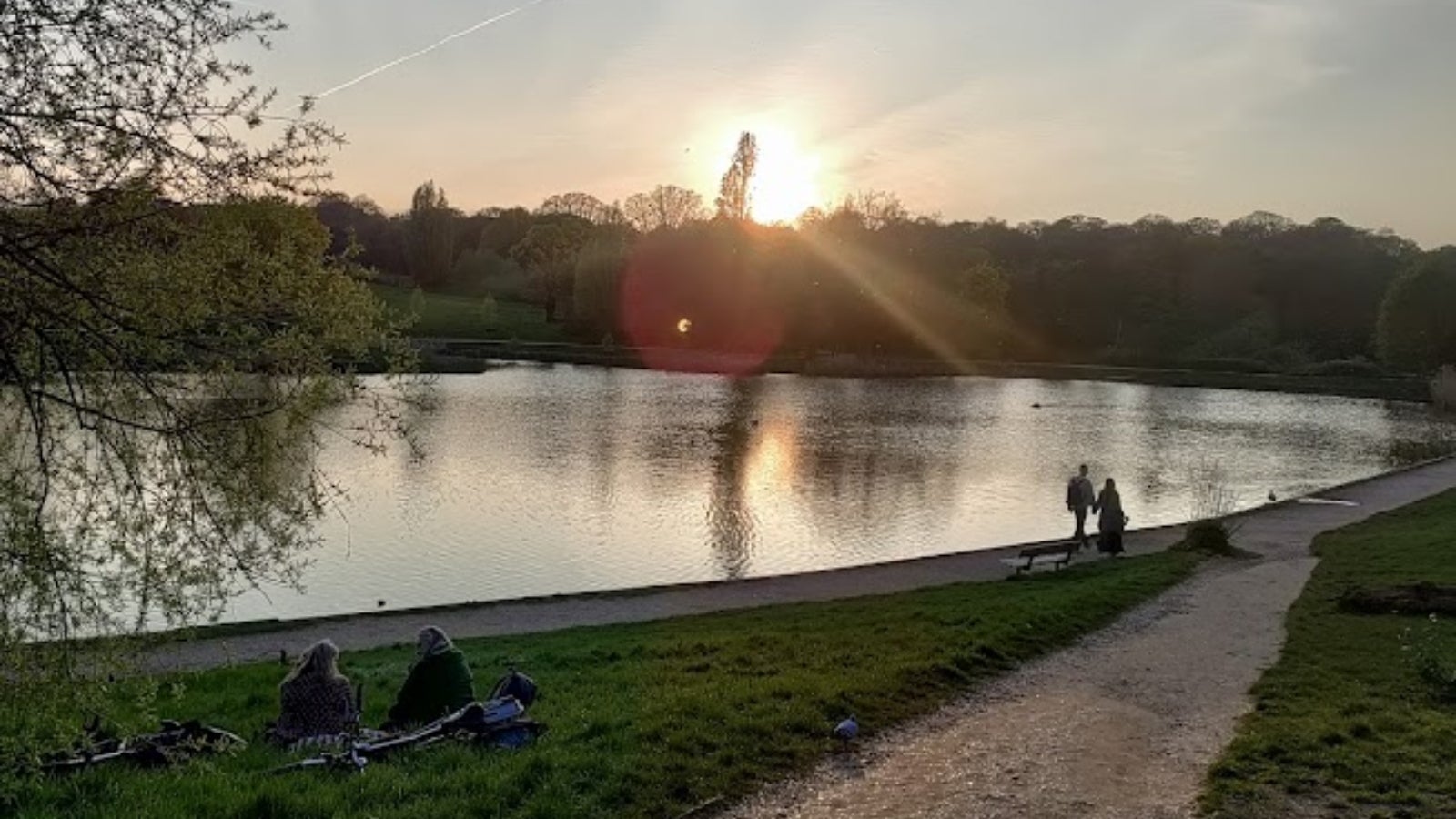
When I’m on the sixth kilometre of a long run , the last thing I want to do is smile. But the author of Slow Jogging: Get Fit, Lose Weight, Stay Healthy, and Have Fun With Easy Running, Dr Hiroaki Tanaka, said that’s what I should aim for to achieve a healthier, happier run. He recommended trying a “smiling” or “niko niko” pace for better blood pressure and increased fitness. Science says runners can seriously benefit from the practice, which has helped to get me back into running after a long break. What is “niko niko” pace? It means a “smiling” pace (“niko” means smiling in Japanese). In other words, it’s a slow, easy pace. So much so, Dr Tanaka told the Sydney Morning Herald back in 2016, that you can “talk at ease, or if you are running alone, sing your favourite songs”; it can start as slow as three to five kilometres an hour, though everyone’s different. More experienced runners might plod along at seven kilometres an hour. What are the benefits of “niko niko” running? In his research, Dr Tanaka found that the practice seemed to lower participants’ blood pressure (even those who began “niko niko” running at 75). Science has since backed his approach. Per Anglia Ruskin University, “slow running may in some ways be more beneficial than training at higher intensities”. That’s partly because “zone 2 training,” which sees runners jog working out to about 60-70% of their max effort, has been linked to lower strain, stress, and risk of injury. Like niko niko training, zone 2 training puts runners at a “pace which raises your heart rate, but is still slow enough that you can hold a conversation.” This can improve your base-level fitness. The slower pace gets your heart near or at its maximum oxygen output without stressing your other muscles as much (zone 2 training keeps your body below the lactate threshold, which is when your body starts producing lactic acid that makes your muscles ache). That means you can keep your body , including your heart, working harder than usual for longer. Running more slowly has been shown to improve the pace of already-fast runners, too. Elite runners typically spend about 80% of their training time in zone 2. A local park “Niko niko” pace helped me get back on track I’ve been off the running path for almost a year, with some short-lived returns, thanks to an injury . But running incredibly slowly on my return has been hugely beneficial (even if, to be honest, jogging at a slower pace than you know you can manage is agonising). In general, it is good running advice to start the sport so slowly that you find your pace almost embarrassing. Injuries are the number one reason new runners quit, and are commonly caused by doing too much, too fast. My most recent fastest pace is nigh on six minutes, which is far from my previous peak. Not only have I not had any injuries yet – touch wood – but I’ve also stopped obsessing over my time. That means I enjoy the scenery and sounds of my local park a lot more. And it’s made my return to the hobby a lot more sustainable, too. Whether you’re a beginner or a seasoned pro, I reccomend giving “niko niko” training a try, too: it might just make you smile. Related... I Tried This Viral Running Trend And It Boosted My Fitness In Unexpected Ways GP Reveals Whether Popular Exercise Trend Really Makes You Fit Marathon Motivated? Here's How To Choose The Best Running Shoes
Go to News Site