


 GB News
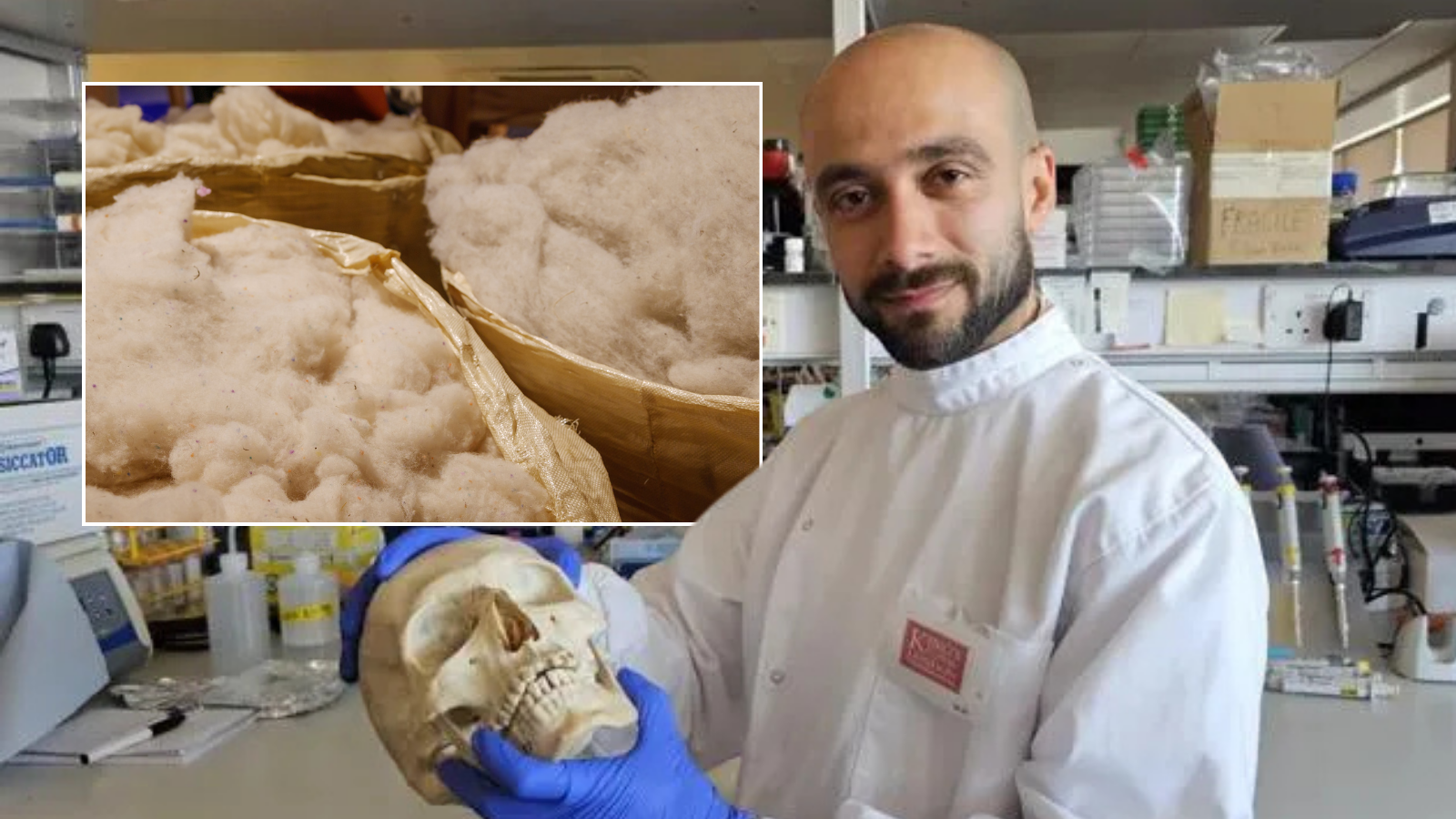
Scientists at a leading British university have proved sheep wool can be transformed into a bone-healing material. The researchers at King's College London extracted keratin, a natural protein found in wool, and used it to create scaffolds that support bone repair. Tests on living animals revealed the material produced bone tissue that more closely resembled healthy natural bone than collagen, which is currently used for treatment. "We are really excited to show for the first time how a wool-based material has been successfully tested in a living animal to repair bones," Dr Sherif Elsharkawy, a lecturer at King's Faculty of Dentistry, Oral & Craniofacial Sciences, shared. The researchers first tested the keratin membranes on human bone cells in laboratory conditions, where the cells grew well and displayed clear indicators of healthy bone development. The team then moved to animal trials, implanting the membranes into rats with skull injuries too large to heal without intervention. Over several weeks, scientists observed how the wool-derived scaffolds guided new bone growth across the damaged sections. The keratin material was chemically treated to produce stable and durable structures designed specifically for bone regeneration. Both the laboratory and animal tests showed the material could effectively support the healing process. For decades, collagen has served as the primary scaffold material in regenerative medicine and dental procedures. It functions as a protective barrier, stopping soft tissue from disrupting the healing process while bone regrows. Still, the material has faults. LATEST SCIENCE BREAKTHROUGHS: New DNA evidence could change everything we know about how humans settled in South America Do you write with your right hand? Scientists think they know why Mysterious fossils found across America could prove Bible story is TRUE claim researchers Collagen breaks down relatively quickly and lacks strength, creating problems when repairing bones that must bear weight or withstand pressure. Extraction is also costly and technically difficult. While collagen membranes generated a larger overall quantity of bone in the study, the keratin scaffolds produced superior results in other respects. Meanwhile, the wool-derived material created bone with better-aligned fibres and greater structural stability. This organisation more closely matched the composition of healthy natural bone. The keratin membranes integrated smoothly with the surrounding tissue and remained stable throughout healing, qualities essential for clinical use. "From a research perspective, this is a major milestone," Dr Elsharkawy hailed. "It positions keratin as a potential new class of regenerative biomaterial that could challenge the long-standing reliance on collagen." "We've effectively demonstrated the technology in an animal model, which makes this much more than an early materials concept," the lecturer said. Dr Elsharkawy continued: "It shows that keratin can support bone regeneration in a living biological system, bringing the technology significantly closer to use in real patients." Our Standards: The GB News Editorial Charter
Go to News Site