


 Ruptly
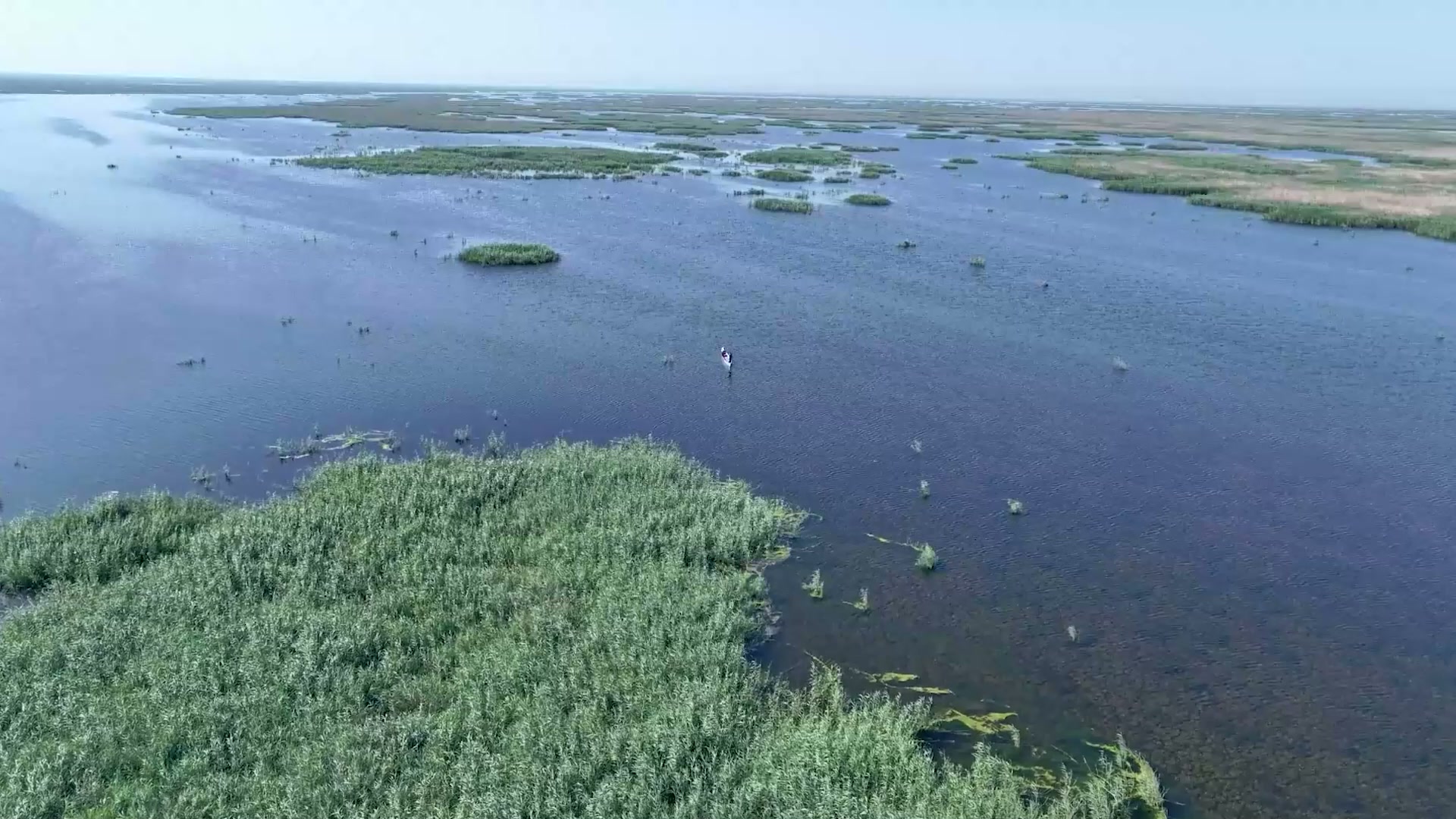
"The water levels in the Hawizeh Marshes of Iraq (Al-Ahwar) have been restored to their normal state, putting an end to a four-year drought described by Iraq’s Ministry of Water Resources as among the harshest since records began in 1933. The prolonged lack of rain left large swathes of land cracked and parched, devastating fish stocks that constitute a primary source of income for local communities. Drone footage captured on Saturday shows breathtaking scenes of the once-porched marshlands revived. Beneath the water, deep fissures etched into the earth are noticeable reminders of the years of desiccation. Boats were seen sailing across the restored waterways alongside livestock grazing on the lush grass. Resident Kazem Kased described the revival of Hawizeh Marshes as a 'blessing', despite the shortages of fish. "The most difficult aspect of the drought was survival itself. We relied on fishing and livestock for our livelihoods, but fish stocks disappeared, and animal wealth began to decline. Some families were even forced to consider selling their livestock. We were left without any sustenance," he shared. "The residents feel relieved as their houses and livelihoods have been revitalised," he added. Environmental activist Raad Salem attributed the recovery largely to heavy rainfall across Iraq, particularly in the southern provinces, which have boosted the levels of the Hawizeh and other marshes. He also criticised authorities for failing to address concerns of drought and the ongoing water crisis. "Regrettably, the absence of sustainable or strategic plans to address the country’s water crisis during the past years, exacerbating our ordeal," he said. "This failure has left Iraq highly vulnerable to climate change and recurring drought, particularly in these regions, where local communities endured enormous damage in terms of natural ecosystems and displacement," he added. Iraq’s state news agency cited Maysan Provincial Council member, Hussein Al-Maryani, as saying that the return of water had sparked a significant environmental and economic revival of the region. The Marshlands of southern Iraq were named a UNESCO World Heritage Site in 2016. UNESCO described the wetlands as “an example of the biodiversity and breathtaking landscapes of Mesopotamia.""
Go to News Site