


 Business Recorder
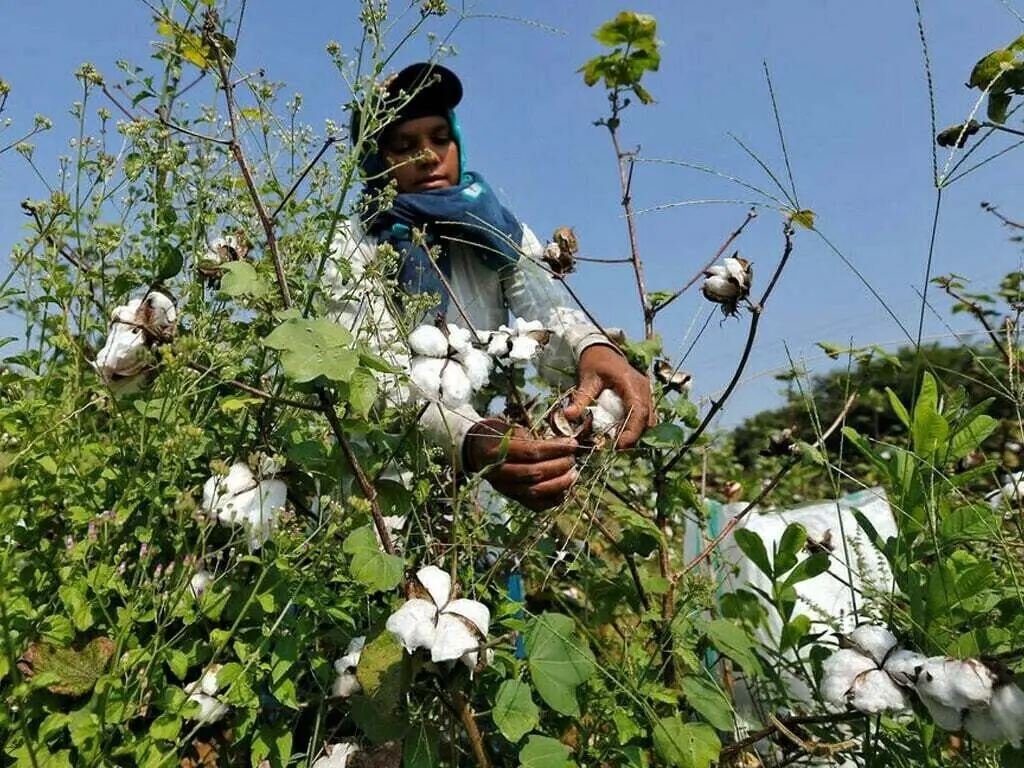
HYDERABAD: Sindh Community Foundation (SCF) has organised a three-day leadership and capacity building training for women-led trade unions of women cotton workers, bringing together 33 women leaders from 15 villages of Matiari and Sanghar districts. The training aimed to strengthen women’s leadership, collective organising, labour rights awareness, and leadership capacities for improved decent work conditions. During the training, SCF strengthened the leadership capacities of representatives from 15 women-led trade unions of women cotton workers to promote collective action, labour rights protection, occupational safety, and climate resilience among rural women workers. The workshop covered key themes including trade union strengthening, collective bargaining, communication and public speaking skills, occupational health and safety, climate risks, gender equality, organizational management, and stakeholder engagement. Women participants actively engaged in group discussions, role plays, mock negotiations, and action planning exercises. Addressing the concluding session, Javed Hussain head of SCF emphasized that women cotton workers continue to play a vital role in the agricultural economy despite facing unsafe working conditions, low wages, gender discrimination, and climate-related challenges. He stressed that strengthening women-led trade unions and promoting collective leadership are essential for ensuring decent work, labour rights protection, occupational safety, and women’s participation in decision-making processes. Among the speakers was Raees Alvi from SCF, Zubaida Turk, and women rights activist and trainer Sadia Baloch, who facilitated the technical sessions throughout the training. Speaking during the workshop, Zubaida Turk emphasized that such leadership training initiatives are essential for strengthening women workers’ confidence, communication abilities, and collective voice for labour rights protection. She stated that empowered women leaders can play a stronger role in advocating for decent work conditions, safer workplaces, and social justice within their communities. He further highlighted that organized women workers can effectively raise their voices for fair wages, social protection, safer workplaces, and climate justice through collective action and advocacy. He appreciated the commitment and active participation of the women leaders and encouraged them to continue mobilizing rural women workers in their communities. Copyright Business Recorder, 2026
Go to News Site