


 Business Recorder
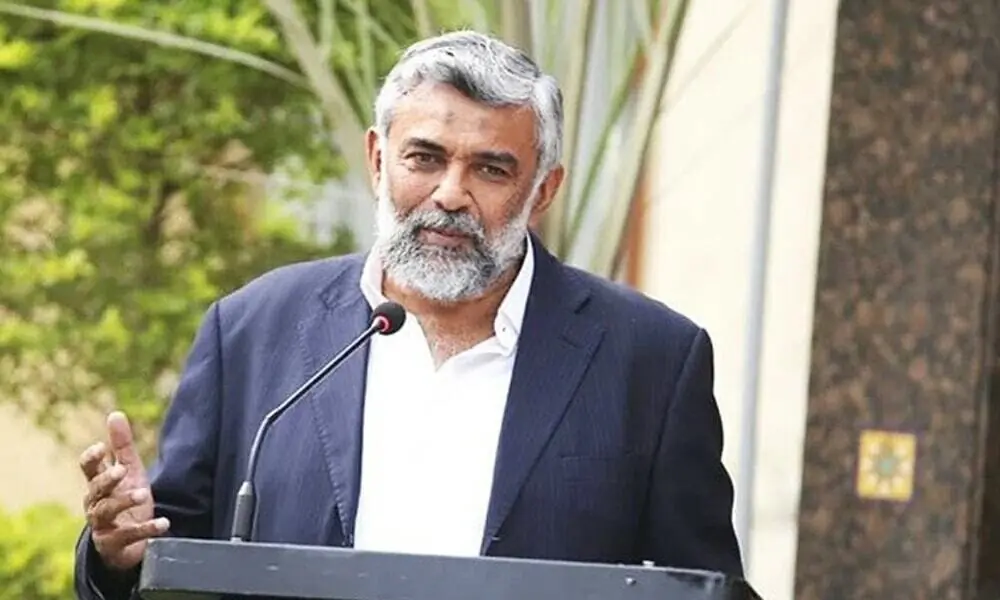
KARACHI: Pakistan’s aspirations to develop a modern blue economy are being constrained by outdated infrastructure and limited modernisation at the country’s largest seafood landing and trading hub, Karachi Fish Harbour, said Pasban Democratic Party (PDP) Chairman Altaf Shakoor here Sunday. He said despite its central role in Pakistan’s fisheries sector, the harbour continues to operate with aging facilities that fall short of modern international standards. Inefficiencies in landing, handling, storage, and processing result in significant post-harvest losses, reduced product quality, and lower export competitiveness. He said at a time when global demand for seafood is rising and regional competitors are rapidly upgrading their coastal economies, Pakistan risks falling further behind unless urgent reforms are undertaken. He said Karachi Fish Harbour serves as the backbone of the country’s marine fisheries value chain. It supports thousands of livelihoods, from fishermen and auctioneers to transporters, processors, and exporters. However, much of its infrastructure has not kept pace with the growing demands of modern trade and food safety requirements. Issues such as inadequate cold-chain systems, limited sanitation controls, congestion at landing sites, and outdated processing linkages continue to constrain efficiency and value addition. He said that the problem is not a lack of activity but a lack of modernisation. Pakistan already possesses an established seafood sector, experienced workforce, and export channels. However, without upgraded infrastructure and systems, much of the potential value is lost before products even reach international markets. He said the global seafood trade has increasingly shifted toward higher standards of hygiene, traceability, packaging, and certification. Competing countries in Asia and the Middle East have invested heavily in modernising their fisheries infrastructure, enabling them to capture greater value from exports and expand their share in premium markets. In comparison, Pakistan’s seafood exports remain concentrated in lower-value categories, limiting foreign exchange earnings and growth potential. He argued that modernising Karachi Fish Harbour should be treated as a strategic national priority within the broader framework of coastal economic development. Key improvements would include modern docking and auction facilities, upgraded ice and cold storage systems, laboratory-based quality control, digital traceability systems, and improved waste management and sanitation infrastructure. These interventions would significantly reduce losses and improve export readiness. Equally important is the need to modernise Pakistan’s seafood processing and packaging industry, he said adding the value addition remains minimal in many segments of the supply chain, resulting in missed opportunities for higher export revenues. He said investment in processing facilities capable of producing frozen, packaged, and branded seafood products could help Pakistan move up the value chain and access more lucrative international markets. Altaf Shakoor said beyond infrastructure upgrades, there is an urgent need for a coordinated policy approach linking fisheries, aquaculture, logistics, and exports. Without integration across the value chain, improvements at individual points may not translate into systemic gains. Strengthening cold-chain logistics, improving regulatory standards, and encouraging private sector participation are seen as essential steps. He said the situation at Karachi Fish Harbour also highlights a broader structural issue: Pakistan’s coastal economy remains underdeveloped relative to its potential. With a long coastline and strategic maritime location, the country has significant opportunities in fisheries, aquaculture, seafood processing, and marine logistics. However, these sectors remain fragmented and underutilized. He suggested that addressing the challenges at Karachi Fish Harbour could serve as the foundation for a wider transformation toward an integrated coastal blue economy. Such a framework would connect fisheries production, aquaculture development, processing industries, export logistics, and coastal industrial zones into a unified development strategy. If effectively implemented, this approach could generate substantial economic benefits, including increased export earnings, improved livelihoods for coastal communities, enhanced food security, and greater foreign exchange stability, he said. “It could also create thousands of new jobs across the value chain, particularly in processing, logistics, and export services.” At a time when Pakistan is seeking new engines of growth, stakeholders argue that the modernisation of Karachi Fish Harbour should no longer be viewed as a routine infrastructure issue but as a strategic economic priority with national significance, said the PDP Chairman. He said the transition toward a blue economy will depend not only on long-term vision but also on immediate action to address existing bottlenecks. Without timely intervention, Pakistan risks missing a significant opportunity to leverage its coastal assets for sustainable economic development, he concluded. Copyright Business Recorder, 2026
Go to News Site