


 GB News
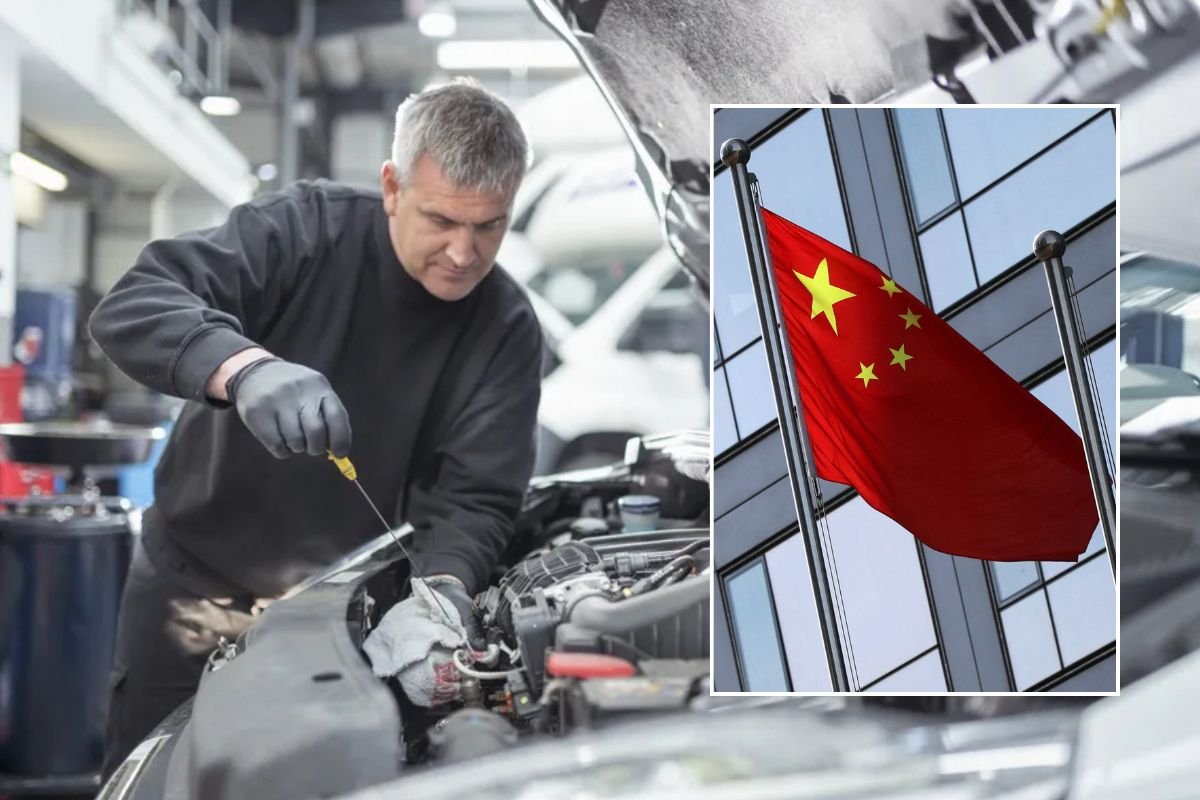
Chinese electric vehicles have become more dominant over the past few years, but industry experts have warned that the UK is dangerously unprepared to repair them when issues arise. Drivers have started flocking to low-cost electric vehicles from Chinese manufacturers, although mechanics and insurers have cautioned drivers over a severe shortage of trained technicians, long waits for replacement parts and growing fears that the country's repair infrastructure simply cannot keep up. Brands such as BYD, MG Motor and Xpeng have seen explosive growth in the UK over the past two years, driven by lower prices and aggressive expansion. BYD alone sold 51,422 vehicles in the UK in 2025, up 567 per cent from just 8,700 the previous year, making it the fastest-growing car brand in the UK. TRENDING Stories Videos Your Say It now also holds a 3.6 per cent share of the UK EV market, second only to Tesla, while the BYD Dolphin Surf is one of the cheapest electric cars currently available, starting from just £18,650. This growth will help the UK meet the Zero Emission Vehicle mandate, which requires at least 33 per cent of new car sales to be electric by this year, before moving to 100 per cent in 2035. However, behind the rapid growth lies mounting concern over whether the UK has the workforce and infrastructure needed to support the EV revolution. Andrew Jervis, co-founder and CEO of ClickMechanic, cautioned that the UK's repair network is already under strain. He told GB News: "The penetration of EVs is quickly growing, and they offer some great benefits. But the big challenge comes with the infrastructure around them, particularly the supply chains of parts and the training of qualified technicians. "Many mechanics in the UK have years and years of experience working on traditional vehicles. But when we look at the training penetration for mechanics who can work on EVs reliably, there's a big gap there." The shortage in EV-trained mechanics is particularly concerning because EVs carry high-voltage battery systems that require specialist training to repair safely. "It's important mechanics become qualified to do that because these batteries carry a lot of energy and potential risk," Mr Jervis said. "But these courses aren't cheap. They can cost hundreds, if not thousands of pounds, and mechanics need time to do them." LATEST DEVELOPMENTS Britons fork out £289m on personalised number plates as demand surges Drivers brace for disruption as temporary lights get installed on historic Dorset bridge Motorists to be slapped with tougher driving licence restrictions and curfews under new proposals Mr Jervis warned that the Government may have prioritised sales targets without fully preparing the support network needed to keep drivers on the road. He pointed to shortages in skilled labour, delays in accessing technical repair data and limited replacement parts as major risks for motorists. Unlike established European manufacturers with decades-old dealer networks and logistics systems in the UK, many newer Chinese brands are still building their infrastructure from scratch. One of the biggest concerns centres around aftermarket parts , cheaper replacement components commonly used in traditional repairs. For many newer Chinese EVs, mechanics are often reliant on genuine manufacturer parts imported directly from overseas, creating delays and higher costs. Globally, BYD has now overtaken Elon Musk's car company as the world's largest battery-electric vehicle manufacturer, delivering 1.6 million EVs in 2025 compared to Tesla's 1.2 million. Despite the impressive sales figures and improving technology, Mr Jervis warned consumers should conduct careful research before buying. " It would be prudent for any consumer spending thousands of pounds on a new car to ask what the infrastructure looks like for repairs and what the lead times are, " he said. Mr Jervis also called on ministers to introduce grants, subsidies or training support to rapidly increase the number of EV-qualified mechanics across the UK. He added: "There's certainly a risk people buy these vehicles very quickly, but then realise further down the road there are issues and they can't get their vehicle back on the road for a long period of time." Our Standards: The GB News Editorial Charter
Go to News Site