


 Business Recorder
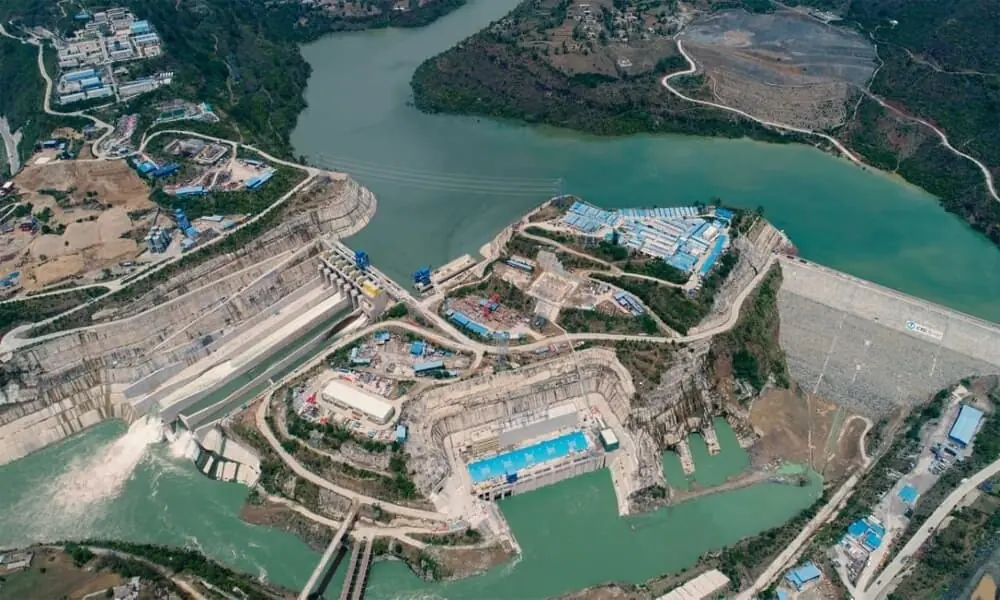
EDITORIAL: Pakistan’s mega dam projects are once again becoming case studies in the same institutional failures that have repeatedly undermined public infrastructure development for decades: weak oversight, delayed approvals, questionable contracting decisions, rising costs and a near-total absence of accountability once projects drift off course. The latest concerns raised over the Diamer-Basha Dam and Tarbela 5th Extension projects therefore deserve to be treated as far more than routine bureaucratic irregularities. Planning Minister Ahsan Iqbal’s frustration over escalating costs and delayed PC-I revisions reflects a problem that has become painfully familiar in Pakistan’s development sector. Diamer-Basha’s approved cost has ballooned dramatically since 2018 while revised project documents reportedly remained pending for years. Tarbela’s 5th Extension has also seen massive cost escalation, with concerns now openly being raised regarding project management standards, consultant selection and transparency in decision-making. These are not minor administrative lapses. They point toward a systemic inability to manage strategic infrastructure projects within reasonable financial and operational discipline. When projects involving hundreds of billions of rupees repeatedly experience delays, revisions and opaque procedural decisions, the public has every right to question whether incompetence alone explains the outcome. The shadow of the Neelum-Jhelum disaster looms heavily over this discussion. That project became one of the clearest examples of how poor planning, technical flaws, delayed maintenance and questionable oversight can convert a flagship national asset into a prolonged financial burden. Pakistan simply cannot afford to continue repeating the same pattern while expecting different results. The deeper concern is institutional memory, or the lack of it. Every few years, another inquiry identifies familiar weaknesses: weak due diligence, inadequate supervision, flawed procurement practices, poor contract management and insufficient technical oversight. Yet despite repeated reports and committee findings, the same failures continue surfacing across successive projects. This is precisely why transparency must become mandatory rather than optional. Strategic projects involving public money on this scale should be subjected to structured half-yearly progress reports released publicly and reviewed independently. Timelines, cost revisions, technical milestones and procurement decisions should all be documented transparently so that problems are identified before they spiral into national liabilities. Such reporting would not merely improve public confidence. It would also strengthen project discipline itself. Delays and cost overruns thrive most easily within opaque systems where accountability becomes diffused across overlapping bureaucracies and changing administrations. The Mangla compensation issue reflects the same culture of negligence from another angle. Thousands of people displaced by a national infrastructure project are reportedly still awaiting compensation years after agreements were reached. The defence ministry’s warning that unresolved grievances could trigger protests serious enough to affect internal security should have alarmed policymakers long before matters reached this stage. Infrastructure development cannot succeed sustainably if displaced populations are treated as secondary administrative inconveniences. Compensation and resettlement are not peripheral obligations attached to mega projects; they are integral components of the projects themselves. Delayed payments, unresolved claims and bureaucratic inertia undermine both public trust and social stability. The irony is that Pakistan genuinely needs these water and hydropower projects. Energy shortages, water stress and climate vulnerability make reservoir expansion and hydropower development strategically essential for long-term national stability. But strategic importance cannot become an excuse for weak governance standards. In fact, projects of such importance require even stricter scrutiny precisely because of the scale of public resources involved. There is also a broader fiscal dimension that deserves attention. Every massive overrun ultimately feeds into the country’s debt burden, development pressures and future electricity costs. Public sector inefficiency on this scale is not absorbed abstractly by the state; it is transferred to taxpayers, consumers and future budgets. The recurring nature of these failures suggests that the problem is no longer technical alone. It is institutional and cultural. Mega projects continue to operate within systems where delays rarely produce consequences, inquiries often fade quietly and lessons are seldom internalised. Pakistan’s infrastructure ambitions will remain trapped in this cycle unless accountability becomes real, transparency becomes routine and project governance is treated with the seriousness these investments demand. Otherwise, every new flagship project risks becoming merely another expensive chapter in a familiar national story of delay, cost overruns and regret. Copyright Business Recorder, 2026
Go to News Site