


 Business Recorder
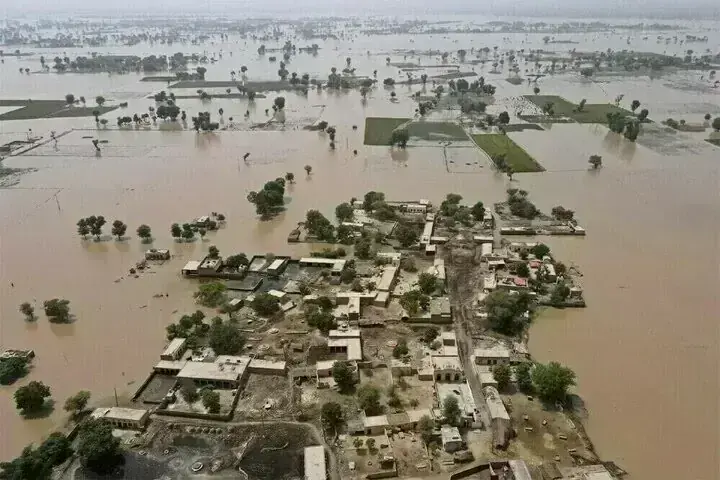
EDITORIAL: From record-breaking heat waves and destructive floods to prolonged droughts and crop failures, Pakistan has repeatedly experienced the harsh realities of extreme weather events linked to global warming. Scientists are now warning that the possible emergence of a powerful “Super El Nino” later this year could further intensify these climate extremes, posing serious risks not only to Pakistan but also to vulnerable populations across the world. The latest forecasts by the US Climate Prediction Center indicate an 82 percent chance of El Nino developing by July. Climate experts warn that if the phenomenon strengthens into a rare Super El Nino, it could disrupt weather systems globally, triggering deadly heat waves, erratic monsoons, floods, droughts, wildfires, and food shortages. For countries like Pakistan, already struggling with economic instability and weak climate resilience, the consequences could be severe. In fact, climate change is no longer a distant threat for this country; it is an immediate and escalating reality demanding urgent national action. Pakistan’s recent experience serves as a painful reminder of the devastation climate disasters can cause. The catastrophic floods of 2022, triggered by exceptionally heavy rains, submerged a third of the country, displaced millions, destroyed crops and infrastructure, and caused economic losses worth billions of dollars. Scientists now say that a stronger El Nino event could similarly disrupt South Asia’s monsoon patterns, resulting either in excessive rainfall and flooding or dangerously low rainfall leading to drought and water scarcity. Particularly alarming for Pakistan is the threat posed to agriculture and food security. As an agrarian economy, the country depends heavily on farming, while millions rely directly or indirectly on agriculture for their livelihoods. Extreme temperatures, water shortages, and unpredictable rainfall can severely damage wheat, rice, and cotton production, increasing inflation and worsening food insecurity. Rising food prices would inevitably hit poor households the hardest, deepening poverty and social distress. The warning signs are clear, yet preparedness remains inadequate. Pakistan urgently needs a comprehensive climate adaptation strategy that prioritizes disaster preparedness, water conservation, and climate-resilient agriculture. Early warning systems must be strengthened, urban planning improved and emergency response mechanisms modernized. Equally important is public awareness. Communities need timely information about heat safety measures, water conservation, and disaster risks before extreme events occur. Regardless of whether El Nino itself is a natural phenomenon, its effects are likely to be far more destructive in a world already strained by rising temperatures, environmental degradation, and weak disaster preparedness. For Pakistan, the real challenge lies not merely in understanding climate threats, but in building resilience through better planning, improved water management, and stronger emergency response systems. While scientists caution that forecasts still carry some uncertainty, the rapid warming of Pacific Ocean temperatures suggests that the world may indeed be heading toward another major El Nino event. Waiting for absolute certainty would therefore be irresponsible and dangerous. Authorities at both the federal and provincial levels must take these warnings seriously and prepare for the worst while hoping for the best. Copyright Business Recorder, 2026
Go to News Site