


 Ruptly
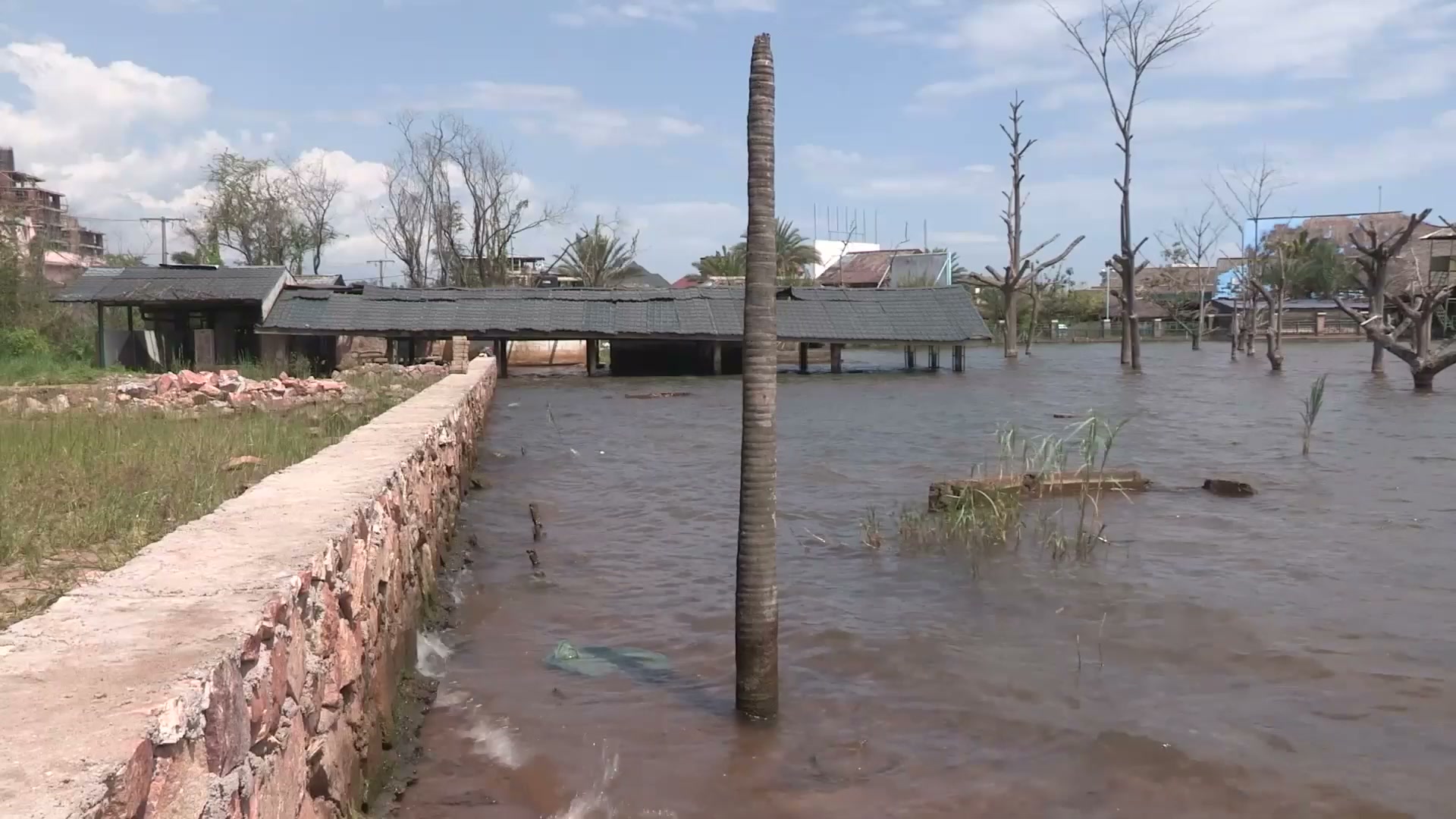
"Burundi’s coastline is facing widespread destruction as Lake Tanganyika expands beyond its shores, submerging homes, critical infrastructure, and farmland. The ongoing crisis has left local businesses and landowners facing financial ruin as they struggle to survive. Footage filmed in Bujumbara on Friday captures the devastating, ongoing impact of the rising waters, showing completely abandoned and partially submerged lakeside businesses that were once the hub of local tourism. "These floods have set back the development of the beaches. Everyone suffered significant losses. Some are still in shock and will never recover," said Omar Manirambona, owner of Safi Beach, who has seen the entire business he invested in since 2017 gradually engulfed by the rising lake. The economic fallout extends far beyond the tourism sector. In rural communities south of Bujumbura, rising waters have swallowed vital agricultural land, decimating the primary source of income for local families. "We lost our land, our oil palms, and our cassava fields. As you can see, there is nothing left but flooded land," explained farmer Violette Niyokwizera, a resident of Migera. Environmental experts point directly to climate change and regional weather patterns as the primary drivers of the environmental disaster. "The rising waters of Lake Tanganyika are caused by excessive rainfall hitting not only Burundi, but the entire sub-region - including northeastern Congo and western Rwanda, flowing down from Lake Kivu through the Rusizi River," said Jean Marie Sabushimike, a professor at the University of Burundi specialising in climate change and disaster management. The massive lake, shared between Burundi, the Democratic Republic of Congo, Tanzania, and Zambia, has failed to return to normal levels, defying expectations that the water would recede following historic floods triggered by the severe El Nino weather phenomenon."
Go to News Site