


 Ruptly
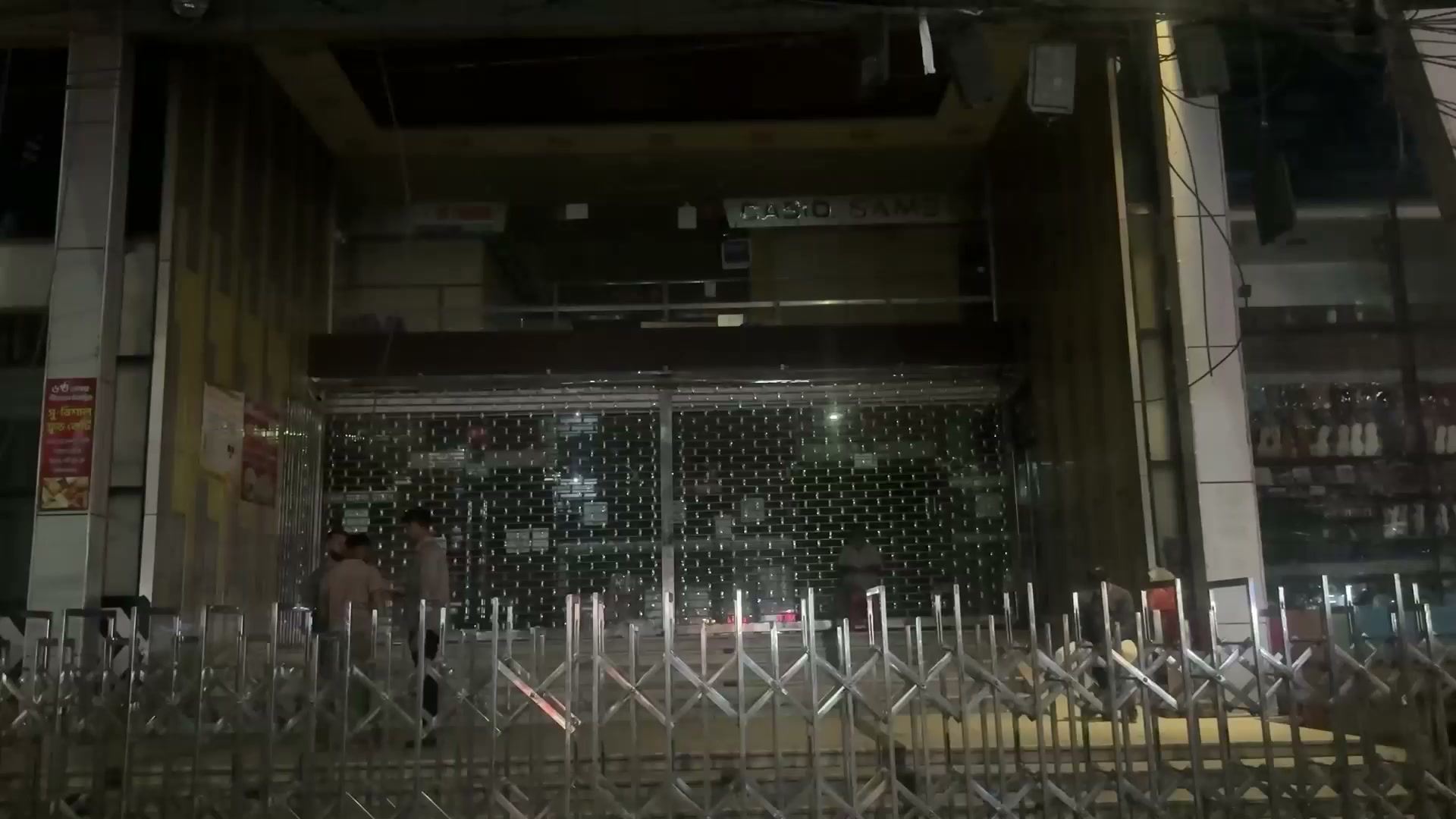
"Shop owners in Dhaka have urged the government to extend newly reinstated market closing times beyond 7 PM, when most customers prefer to shop during the cooler evening hours. Footage filmed on Tuesday shows the closed entrances of the China Town Shopping Centre, while traders and security personnel at Baitul Mukarram Market shut down stores in compliance with the new regulations. “Customers come more in the evening, very few during the day,” said shop owner Mohammad Naeem. “Our markets are crowded after Maghrib prayers. Since it is hot during the day, customers come when the weather is cooler. It would be good for us if the market stayed open until 10 p.m.” Traders warned that the measure could have wider economic consequences in a city heavily dependent on evening commerce. “If the market closes at 7 PM, it will definitely have a huge impact on the economy,” said Nazrul Islam. “Dhaka city is known as a commercial hub. Most sales happen in the evening. If the government allows markets to open later and close at 9 or 10 PM, it would be better for everyone.” Others said shoppers often do not have enough time to visit markets before the mandatory closure. “They would feel more comfortable coming to the market and shopping if stores remained open until 9 or 10 PM,” said Abul Hossain. The Bangladeshi government officially reinstated a nationwide 7 PM closing time for shopping malls, markets and retail shops on June 1, reversing a temporary extension granted during the Eid al-Adha period when businesses were allowed to operate until 10 PM. The order, issued by the Power Division, is part of efforts to conserve electricity and manage the national grid amid rising summer temperatures and increasing energy costs. Authorities have also ordered all billboard and promotional lighting to be switched off and required fairs, exhibitions and cultural events to end by 7 PM. Essential services, including pharmacies, hospitals, hotels, restaurants and fresh food markets, remain exempt from the restrictions. The measures come as Bangladesh faces mounting energy pressures. The country imports around 95 percent of its oil, primarily from Saudi Arabia and Qatar, and faces heightened risk as supply routes remain unstable. Shipping disruptions in the Strait of Hormuz, a key route for roughly 20 percent of global oil and liquefied natural gas, have driven prices higher and strained imports. The disruption follows escalating tensions after the United States and Israel launched joint military operations against Iran on February 28."
Go to News Site