


 The Huffington Post
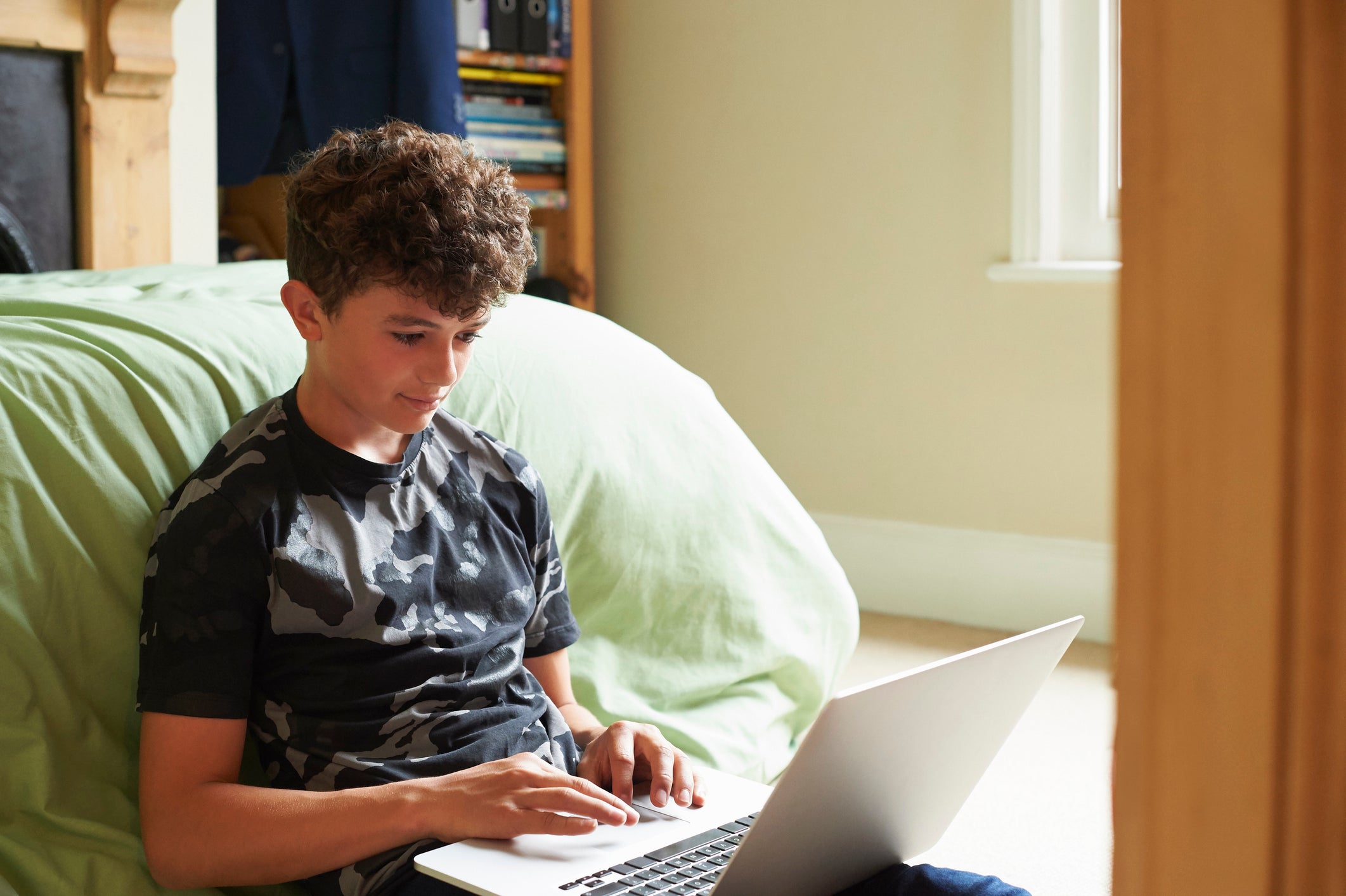
“Lighthouse parenting” could help prevent kids from being “black-pilled” online within incel communities, an expert in countering extremism has said. For those who haven’t come across the term: incels, or involuntary celibates, are a community of (predominantly) men who believe they’re unable to form sexual relationships with women due to a combination of their looks and societal structures. There are a couple of ideologies floated around in online incel communities – one is the red pill ideology, which ( per UN Women) means to wake up to a reality that the world favours women over men. Since then, another ideology – dubbed the black pill – has emerged, which Brittanica notes is an “extreme extension” of red pill philosophy. Speaking to Joeli Brearley and Elliott Rae on their To Be A Boy podcast, Meadhbh Park, the author of Blackpilled and an expert in countering violent extremism, said: “ The black pill is basically the nihilistic version of: everything is wrong but, for some men, there’s nothing you can do. “If you’re too ugly (in their minds, that’s how they put it) for society, you’re never going to be able to make it as a man, or find a woman, or do anything of note. So, you have only limited options available to you.” The expert noted that some kids will be engaging with or, at the very least, seeing black pill content if they spend more time online, so it’s important to keep an eye on their internet use and any behaviour changes. She suggested when kids become quieter, more insular and spend large amounts of time, that can be a red flag. Some children are more susceptible to online radicalisation if they have low self-esteem, lack belonging, or they’ve been bullied or discriminated against and it’s left them feeling isolated. While it can feel overwhelming for parents who want to look out for their children and help keep them on a certain path, Park suggested something as simple as “lighthouse parenting” could help break through to teens who might be swayed by misogynistic content online. What is lighthouse parenting and why might it help? With lighthouse parenting, parents are seen as the “lighthouse”, meaning their role is essentially to guide and support their child, but also give them space and independence to grow and make mistakes. One of the key themes within this parenting type is an “open and non-judgmental communication style”, according to Newport Academy, which suggests parents should try to actively listen, ask thoughtful questions, and foster an environment where teens feel comfortable sharing without fear of being judged or immediate correction. Speaking on the podcast, Park suggested “parents have some powers and they don’t have others” when it comes to influencing their teenagers. “I don’t think parents are very good at influencing teenagers ... but they have some influence when it comes to the technology in the home,” she said. Ofcom data suggests a third of five- to seven-year-olds use social media unsupervised and kids aged eight to 17 spend anywhere between two and five hours a day online. Park’s advice to parents is to be present and keep an eye on their device use: going through their children’s laptops (iPads, phones, etc) routinely, looking through their search history, and asking questions about the kind of content they consume. She also recommended parents to adopt an open and non-judgmental approach of: “If something goes wrong, come to me. I won’t be here yelling and shouting. I will be here ready to fix the problem with you.” Ongoing conversations are also important, she said. “And that’s better than [social media] bans. It’s a good tool to have.” A toolkit from the London Assembly advises parents to be non-judgmental (not blaming or shaming), and curious and open (taking the time to listen and explore their child’s perspective) when having discussions with their kids about the content they are seeing online. It’s also worth teaching kids and teens to recognise online content that may be harmful, and gently but firmly challenge if and when they repeat talking points from the manosphere. “Support young people to develop their critical media literacy skills and to recognise when content may be trying to manipulate their emotions,” the toolkit added. Related... 'The Black Pill Has Morphed Into The Mainstream': Red Flags For Parents To Watch Out For 4 Manosphere-Coded Words Boys Are Using And What They Mean 'There Were Subtle Signs My Sons Were Being Swayed By The Manosphere'
Go to News Site