


 Forbes India
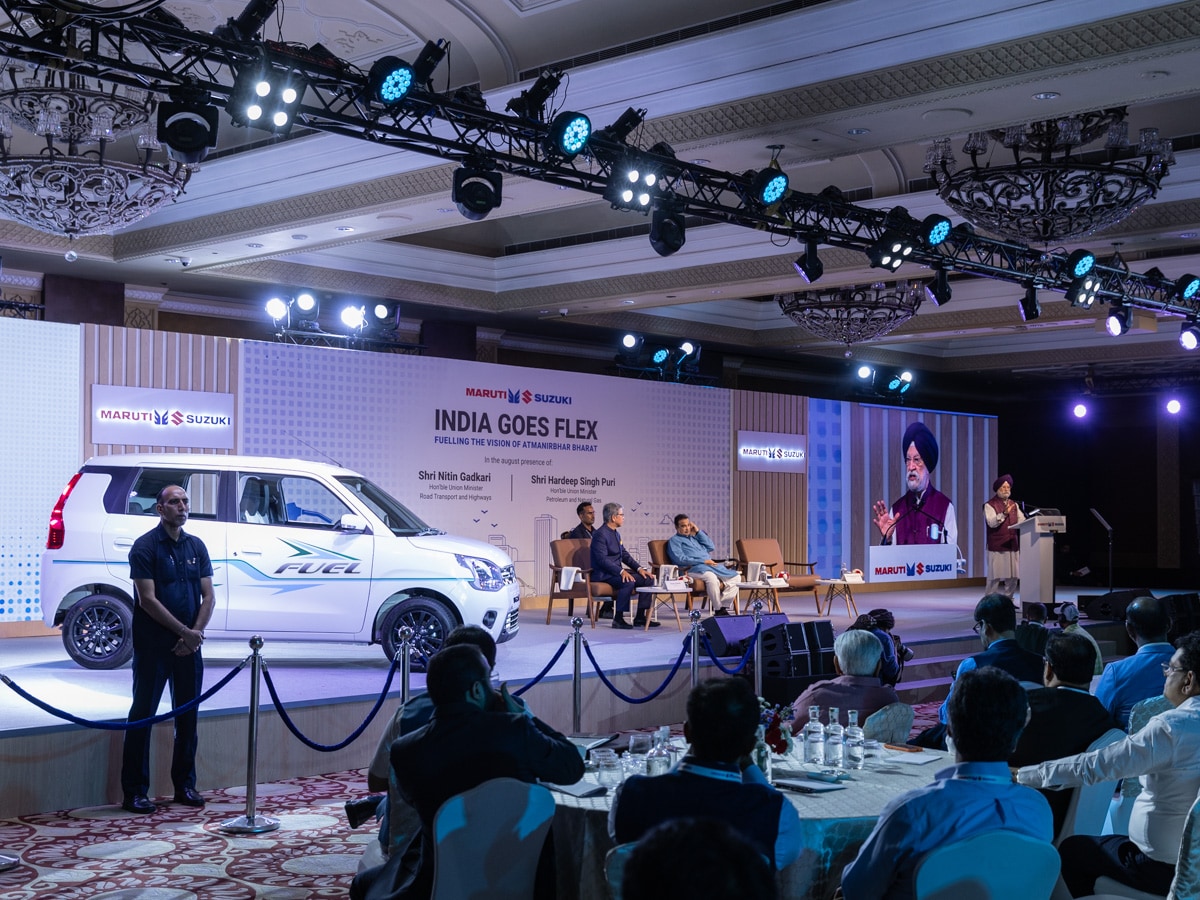
The country’s largest manufacturers of two- and four-wheelers launched flex fuel vehicles this week, responding to the government’s call to incorporate higher blending of ethanol in petrol.Flex fuel vehicles can run on ethanol blends ranging from 20 percent to even pure 100 percent ethanol. Currently 20 percent ethanol blending (E20) is mandatory in automotive fuel in India as the country pushes to cut oil imports and reduce emissions.The push toward higher ethanol blends has taken on fresh urgency as the conflict involving Iran jolts oil markets, underscoring the risks of relying heavily on imported energy. India imports nearly 87 percent of its crude oil requirements.Hero MotoCorp, the world’s largest two-wheeler manufacturer, unveiled flex fuel variants of Splendor+ and HF Deluxe on Wednesday, while Maruti Suzuki India launched E100-compliant Wagon R on Thursday.The two flex fuel bikes are compatible with ethanol blends ranging from E20 to E85, and will be available in Delhi and select regions of Maharashtra in July. A nationwide rollout will follow, according to Hero MotoCorp. The HF Deluxe Flex Fuel is priced at Rs72,792 (ex-showroom Delhi) while the Splendor+ Flex Fuel is priced at Rs82,710.“Developed at our Centre for Innovation & Technology in Jaipur, these motorcycles underscore our commitment to delivering future-ready and locally relevant technologies,” said Hero MotoCorp CEO Harshavardhan Chitale.Also Read: FILA 2026: Hero FinCorp CEO Abhimanyu Munjal On Building A Tech Led LenderMaruti didn’t announce the price of the flex fuel version or a launch timeline. The company’s MD and CEO Hisashi Takeuchi said Maruti Suzuki offers cars with multiple technologies and fuels. “The ecosystem for ethanol as a fuel in India is in its early stages, and as a market leader, we think it is our responsibility to contribute to make ‘India Go Flex’.”Both the events were held in New Delhi and attended by Minister of Road Transport & Highways Nitin Gadkari and Petroleum and Natural Gas Minister Hardeep Singh Puri.Highlighting pollution as one of the biggest concerns, Gadkari said nearly 40 percent of air pollution is linked to the “transport ministry” and that flex fuel vehicles can help curb it.At the Hero MotoCorp launch, he also highlighted how the tech can lower import dependence and enable foreign exchange savings of Rs1.44 lakh crore.Ethanol blending has increased from less than 1.5 percent in 2013-14 to 20 percent in FY26, five years ahead of the targeted schedule. Ethanol procurement has risen from about 38 crore litres in ESY 2013-14 to more than 1,040 crore litres today, while ethanol production capacity expanded nearly five-fold from 421 crore litres in 2014 to 2,000 crore litres in 2026, Puri said at the Maruti launch. This shift has reduced crude oil imports, saved foreign exchange, lowered emissions, and increased farmer’s income.If 50 percent of the new two- and four-wheelers sales eventually shift to flex fuel-compliant vehicles, it will create additional demand for 311.8 crore litres of ethanol and provide Rs12,403 crore additional income for farmers. This would also lead to 66.4 lakh metric tonnes less CO₂ emissions, he said.Most original equipment manufacturers in India have the flex fuel technology and have even unveiled prototypes. This week marked the first step towards commercial launches of such vehicles, but the availability of higher ethanol-blended fuels remains a challenge.Puri outlined the road map for creating a nationwide flex fuel ecosystem, with an initial roll out of 50-100 flex fuel vehicles-ready fuel retail outlets in the Delhi-NCR and Mumbai-Pune-Nagpur corridors, expanding to nearly 500 outlets by December and approximately 5,000 outlets across major cities by the end of 2027.At the Hero MotoCorp launch, Puri said flex fuel vehicles will not just be an eco-friendly option but also make economic sense for consumers. Studies indicate that if E85 fuel is priced lower than E20, consumers can recover the cost of the vehicle within approximately three years.“The government is actively examining supportive policy frameworks to accelerate affordable adoption,” he said.
Go to News Site