


 GB News
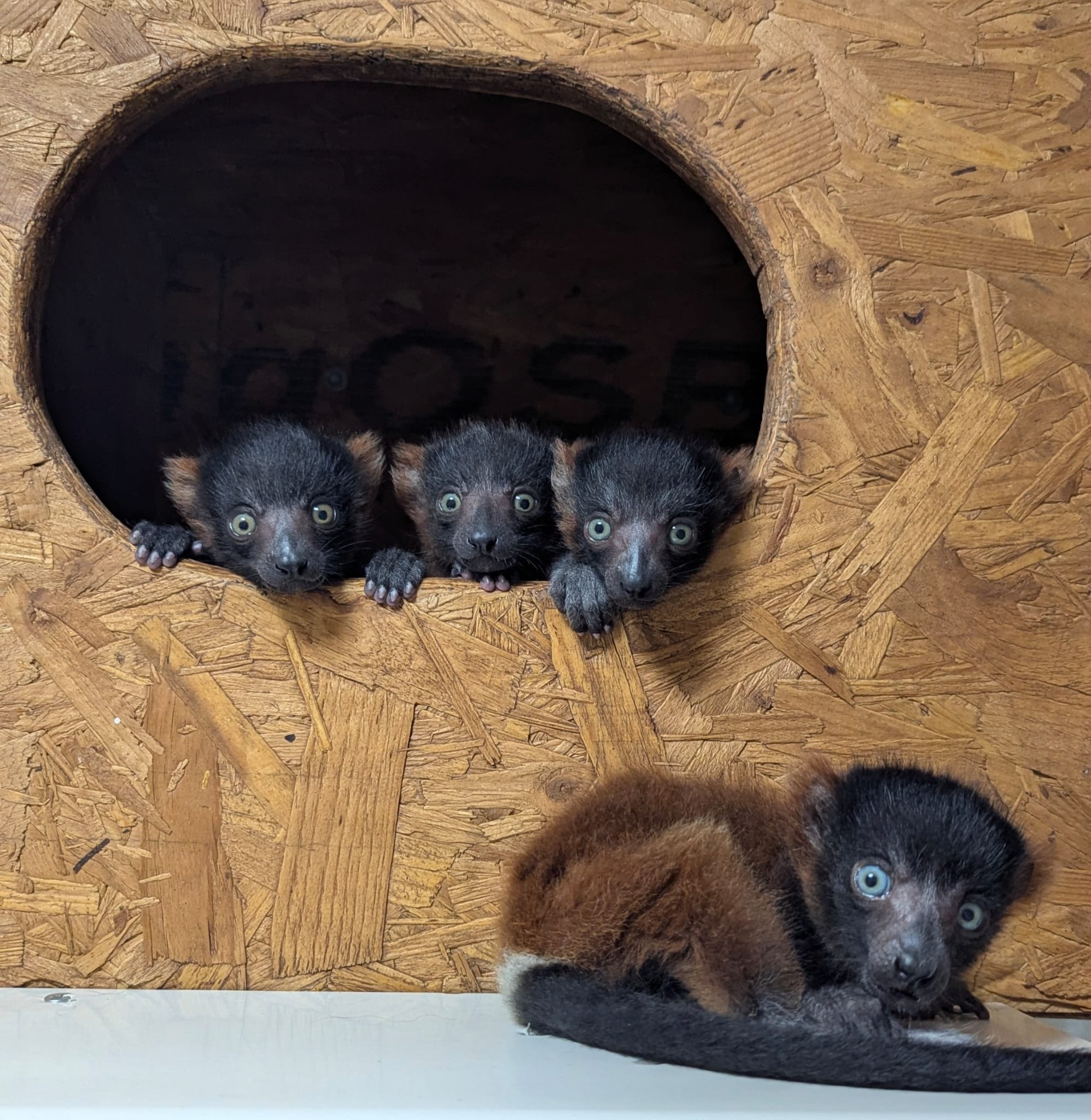
A small wildlife trust has celebrated the birth of rare lemur quadruplets who have been described as "so cute but so special at the same time”. The four babies were born on May 4 to mother Eka and father Nero at Shaldon Wildlife Trust, a small charity based in Devon that has built a significant international reputation for its conservation work. The arrival of the four critically endangered red-ruffed lemurs is so rare as it occurs in fewer than six per cent of cases worldwide. Whilst twins are common for the species, the arrival of quadruplets represents a significant milestone both for the trust and for the wider European breeding programme of which it forms a part. TRENDING Stories Videos Your Say Zak Showell, director of Shaldon Wildlife Trust, said: "To have four healthy infants at once is a real testament to the care our team provides. It's a huge win for the species and a proud moment for Shaldon." Red-ruffed lemurs are found only in a small area of northeast Madagascar and are classified as critically endangered, making every successful birth significant for the long-term survival of the species. A spokesman for the trust described the babies as "just so, so cute but so, so special at the same time". The quadruplets are part of the European Association of Zoos and Aquariums breeding programme, a continent-wide effort to safeguard the future of primates in captivity. Shaldon Wildlife Trust directly supports the protection of red-ruffed lemurs in the wild through its field conservation partner, the Lemur Conservation Association. This is the fourth set of offspring Eka has produced and Mr Showell said the mother’s experience was evident in how she was handling the demands of caring for four youngsters at once. He said: "We leave her to it – this is actually her fourth set of offspring she's ever had, so she knows what she's doing, but we make sure that we give her extra food to keep her energy reserves up." Despite being one of the UK's smaller wildlife charities, Shaldon has earned a reputation on the international stage in terms of its breeding programme. LATEST DEVELOPMENTS Universal confirms name of new theme park in Britain set to employ thousands and entertain millions WATCH: King’s College Hospital opens rooftop garden for critical care patients British brothers with dementia gene brave 33 marathons in 33 days raising £1.8million The trust was recently featured in National Geographic as one of the top zoos globally dedicated to conservation. Mr Showell said the National Geographic coverage had generated considerable excitement but nothing quite compared to the arrival of the quadruplets. The babies are already showing impressive development for their age, with the head keeper spotting one of them attempting to eat solid food at just a month old. He said their progression was "so, so quick in comparison to many other animals", adding mother Eka was being "very, very protective" of her young. Dad, Nero and the couple's two sons from previous years remain in the same habitat, but Eka has made clear she does not want them anywhere near the newborns. Visitors to the trust may soon be able to catch a glimpse of the babies as they become more active and independent in their enclosure. The quadruplets are expected to remain at Shaldon for several years, learning from both parents how to behave as lemurs before potentially being moved to other zoos to continue the breeding programme. Red-ruffed lemurs face significant threats in their native habitat, where deforestation driven by agricultural development has placed the species under increasing pressure. The European breeding programme in which Shaldon participates is considered a vital insurance policy for the species, maintaining a healthy captive population that could support future reintroduction efforts if necessary. Our Standards: The GB News Editorial Charter
Go to News Site