


 GB News
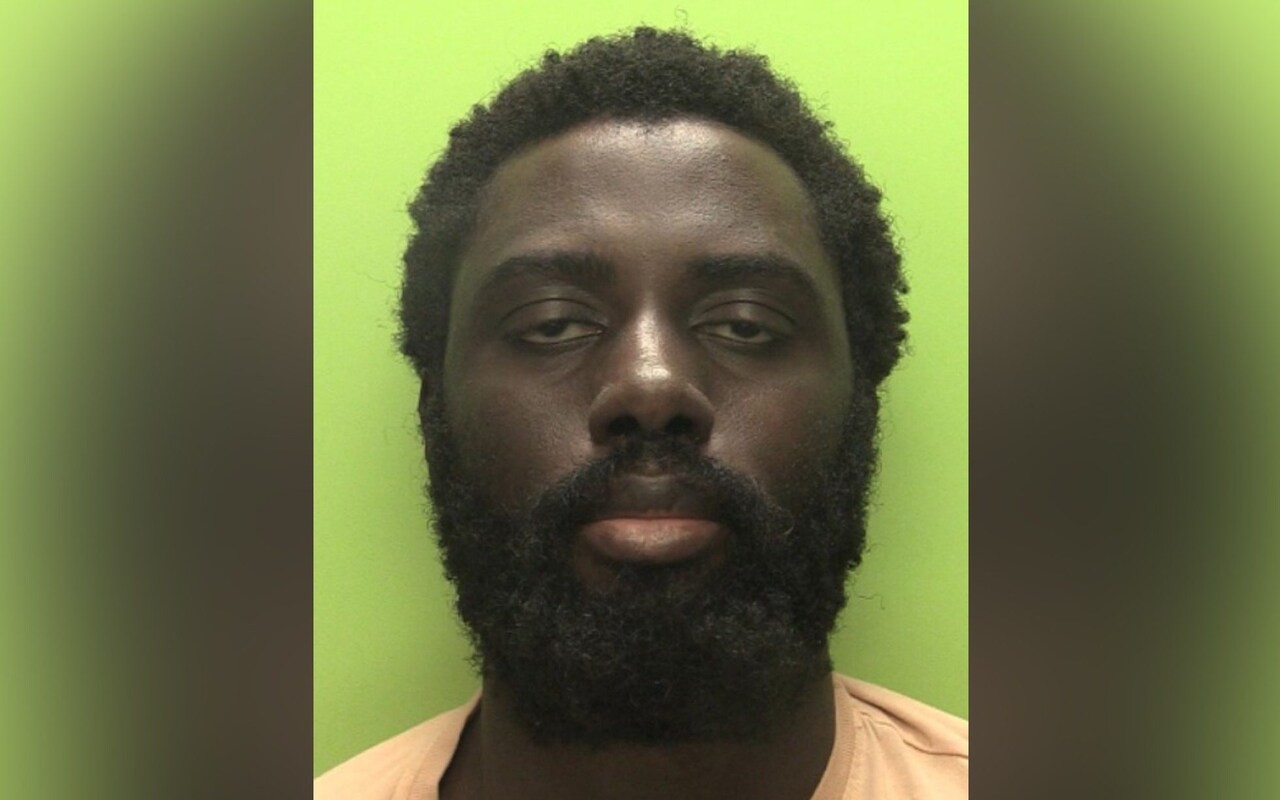
Nearly every mentally ill killer has been known to police but the criminals have still managed to slip through the cracks, a shocking review has revealed. Since the 1990s, 99 per cent of killers were known to mental health services, according to a study of more than 500 killer cases. Meanwhile, 86 per cent of killers had previous contact with the police and close to half of them had prior convictions for violent offences. Two thirds of the group failed to take their antipsychotic medication and almost half were diagnosed schizophrenic, a review by the Nottingham public inquiry legal team found. TRENDING Stories Videos Your Say The Nottingham killer, Valdo Calocane, was a diagnosed paranoid schizophrenic. He spent two years in the care of Nottinghamshire Healthcare NHS Foundation Trust before his stabbing spree in the heart of Nottingham city centre almost three years ago. Two 19-year-old students, Barnaby Webber and Grace O'Malley-Kumar, and 65-year-old janitor Ian Coates were killed in June 2023. A subsequent inquiry into their murders was launched back in February and has concluded following four months of gruelling hearings into the three-year-long lead-up before the trio's tragic deaths. Calocane was sectioned on four occasions, often skipped his medication and would exhibit violent behaviour over a prolonged period of time. Mental health workers were aware that the future-murderer had aggressive tendencies but opted to discharge him anyway in 2022. Police officers had failed to arrest Calocane on suspicion of assault while he was out on a warrant for assaulting a police officer. He had a known history of violence and stalking behaviour. In the inquiry, the legal team assessed 528 attacks involving 570 deaths from the early 1990s all the way to 2023. An overwhelming 524 of the 528 cases showed that killers had engaged with mental services before. MORE ON CRIME: Violent teenager stabbed innocent grandfather to death while on police bail Two teenagers guilty of stabbing 16-year-old boy to death on Scottish beach ‘Don’t need to be told!’ Kemi Badenoch responds to Trump administration on 'two-tier policing' However, risk assessment failings were noted in almost 90 per cent of cases. Doctors often failed to consider historical data, indicators of potential relapse or family concerns. Breakdown in institutional communication was present in another 83 per cent of cases - just like the Nottingham inquiry found regarding Calocane. Although the inquiry protected the anonymity of past cases, The Times identified mother-murderer Nicola Edgington. She killed her mother in 2005 and was later detained under the Mental Health Act in 2005. Edginton was released in 2009 only to murder again, killing 58-year-old Sally Hodkin. Meanwhile, Ashley Rowen killed cousin Ryan Lowry, 36, with an axe after skipping his medication. Despite concerns being raised by the victim, mental health staff brushed off the complaints. Charity Hundred Families, which campaigns on the issue, accused the NHS of being "asleep at the wheel". "The warnings are there for everyone to see, and they have been for 30 years," a spokesman told The Times. "There’s no evidence anyone is learning from these things. They can’t say they haven’t been told. There’s a real failure of patient safety leadership at NHS England." Ms O'Malley-Kumar's father, who is also a GP, demanded the end of "crystal ball psychiatry". NHS England has since issued an apology and admitted the standards of care were below the expected level. As a result, "we are working with mental health providers to take significant action, including reviewing community treatment services for people with severe mental illness and developing robust plans to make improvements locally. "Clear direction has also been issued by the NHS to not discharge people with a severe mental illness for missed appointments, to involve families and carers in their treatment, and ensure long-term care plans are in place — we will continue to work to ensure we get this right for our patients and local communities. Our Standards: The GB News Editorial Charter
Go to News Site