 Emirates 24|7
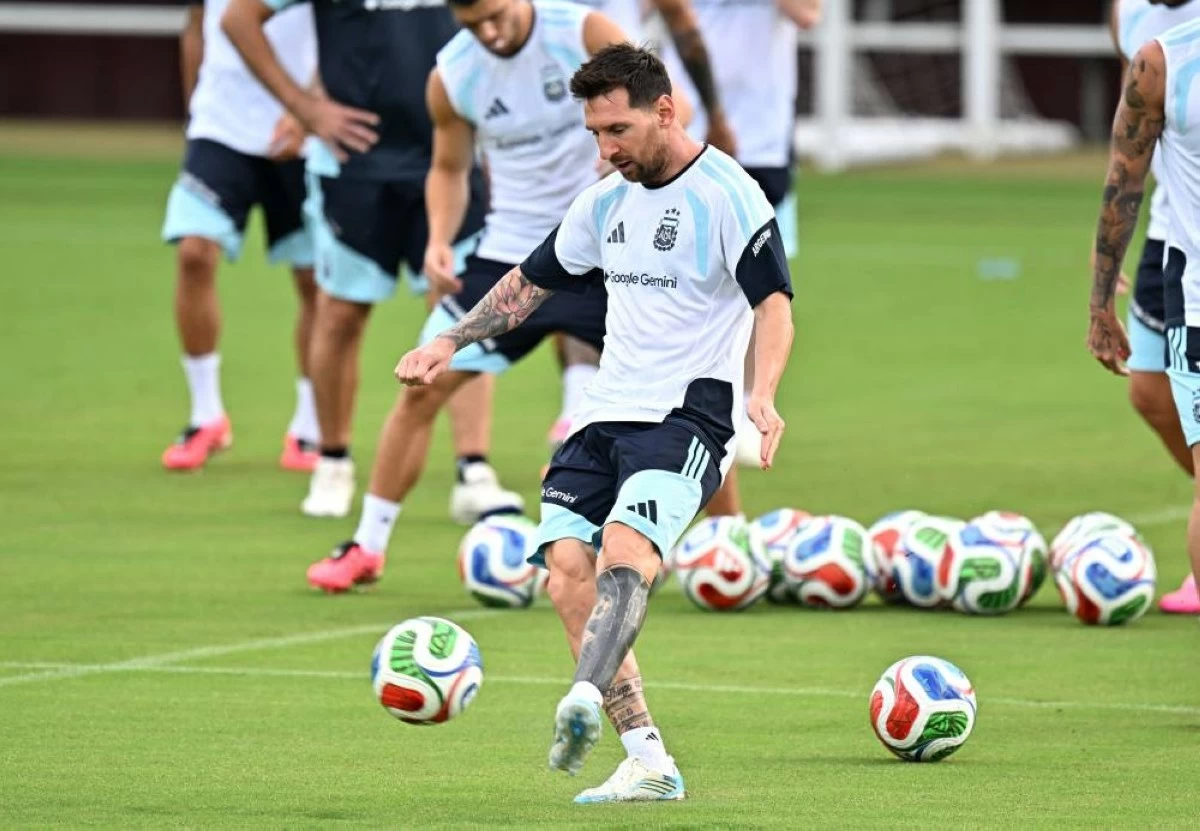
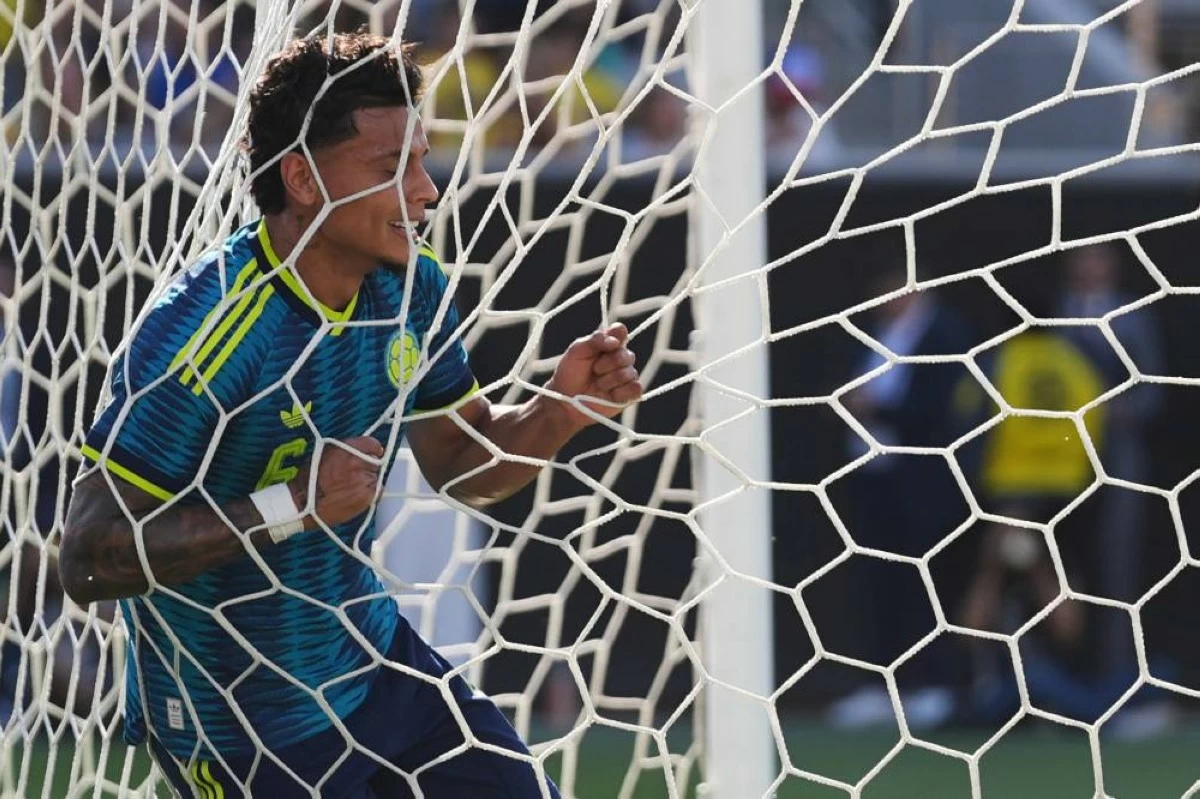
In squeaky bum time, the false 9 pulled off a nutmeg and scored a worldie in the top bin. Make any sense? Soccer fans from across the globe are heading to North America for the World Cup - and bringing with them their own vocabulary to describe the beautiful game. Here's a look at some of the phrases the locals might be hearing from traveling supporters inside and outside stadiums, and where they might have originated. Let's paint a picture: It's the World Cup final, and Argentina and Brazil are locked at 1-1 with five minutes remaining. We are officially in "squeaky bum time." Coined by former Manchester United manager Alex Ferguson, the phrase describes the late stages of a match - or even a season or tournament - when players and fans get tense and nervous. It even got recognised by the Oxford English Dictionary, which defined the saying as "a reference to the sound of someone shifting restlessly on plastic seating during tense closing stages of a contest." This is nothing to do with a journey to the stadium. Instead, you're likely to hear this when a big underdog comes up against a top team at the World Cup. If an inferior team - or maybe one which has had a player sent off - shows no attacking intent and plays ultra-defensively to stop its opponent scoring, it is said to be "parking the bus" in front of its goal. The phrase came into soccer's wider vernacular after Jose Mourinho, the Portuguese coaching great, complained while managing Chelsea in 2004 that Premier League rival Tottenham "might as well have put the team bus in front of their goal." There's nothing wrong about a false 9. When a player starts a match as the nominal striker - i.e. as a classic No. 9 - but constantly moves into deeper positions on the field to be harder to mark and create confusion among opposition defenders, they are said to be playing as a "false 9." In modern-day soccer, the role was mastered by Lionel Messi at Barcelona when Pep Guardiola was its coach and by Cesc Fabregas in Spain's title-winning team in the European Championship in 2012. Harry Kane might play in a similar position for England at the World Cup. Typically reserved for long-range shots that fly into the top corner of the net, a "worldie" - a word coming from British slang - describes a goal that belongs in the "world class" category. It started off being a tactical ideology used by the Dutch national team in the 1970s, where outfield players have no fixed position and can feel comfortable on the field wherever they are. Nowadays, the phrase is invariably used loosely, even jokingly, by soccer fans to describe a lengthy spell of possession, often involving some intricate, fluid passing and ending up in a goal. "Liquid football" is an alternative. It's one of the simplest tricks in soccer - and a humiliation for those on the receiving end. A "nutmeg" is the act of kicking the ball between your opponent's legs to either run round and gather it yourself or to pass to a teammate. It has derivatives around the world, from "petit pont" ("little bridge") in French to "caño" in Spanish and "tunnel" in Scandinavia. If you see a striker bent over with his head in his hands in the World Cup, he's probably missed a sitter. It's a very easy chance, usually from right in front of goal, that a player contrives to mess up. It might have come from cricket, which uses "sitter" to describe a catch that is seemingly impossible to drop - so easy, in fact, you could be sitting down to take it. You know when a player chips a penalty kick slowly and cheekily straight into the middle of the goal or, in the worst-case scenario, into the hands of a grateful goalkeeper? Well, it has a name. The "Panenka" was born in 1976, when Czech player Antonín Panenka converted the title-clinching penalty in that manner in a shootout in the European Championship final against West Germany. He ran up to the ball at normal speed and chose to float it softly up and down into the net, predicting correctly the goalkeeper would dive one way. It's risky and can make the penalty-taker look stupid if it goes wrong. A goalkeeper at the World Cup will sleep well if he keeps a clean sheet. Termed a shutout in the United States, it simply means when a team doesn't concede a goal. The use of "clean sheet" dates back to when reporters only used paper notebooks to record different incidents - like goals - in games. If no goals were scored by a team, a sheet of paper would be clean. The two top corners of a goal are the ideal targets for a shot, so obviously they have a special name for fans. Creeping into the soccer lexicon this century - and also into the Oxford English Dictionary - is the usage of "top bin," possibly a nod to the use in practice sessions of targets in each of the top corners of a goal that resemble a bin (the British term for a trash can). Another is "postage stamp," which you'd apply to the top corner of an envelope. Many languages have their own derivative and one conjuring a great image heralds from Brazil, where they say a top corner is "onde a coruja dorme"("where the owl sleeps.") There will be 11 players in each team at the World Cup. There's a way of getting 12 - kind of. The "12th man" refers to the team's fans, who - if they are loud or intimidating - can act as an extra player. Or so coaches say, anyway.
Go to News Site
 RTARABIC


 Sky News Arabia
 Al Arabiya English