


 Dawn Business
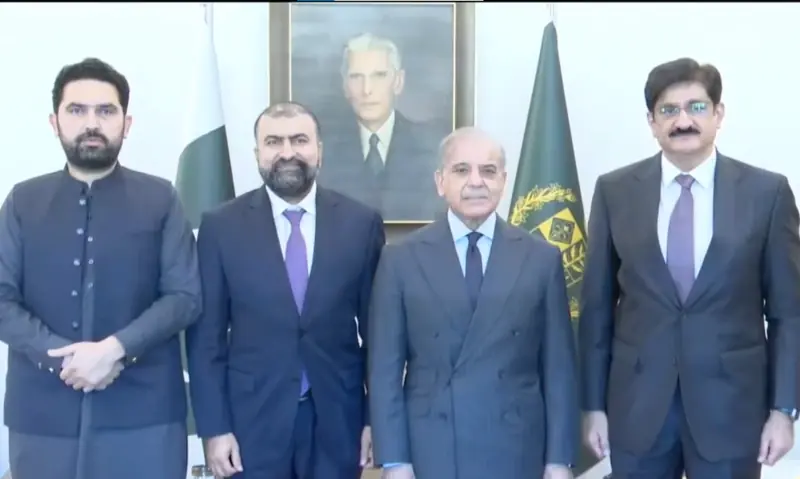
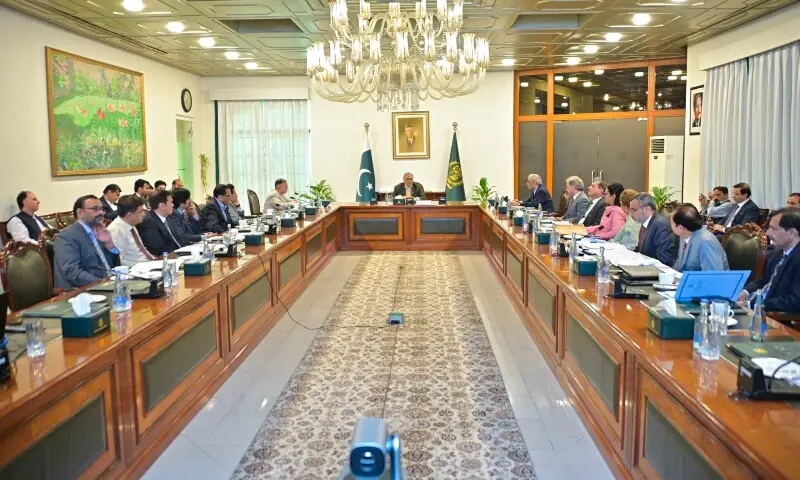
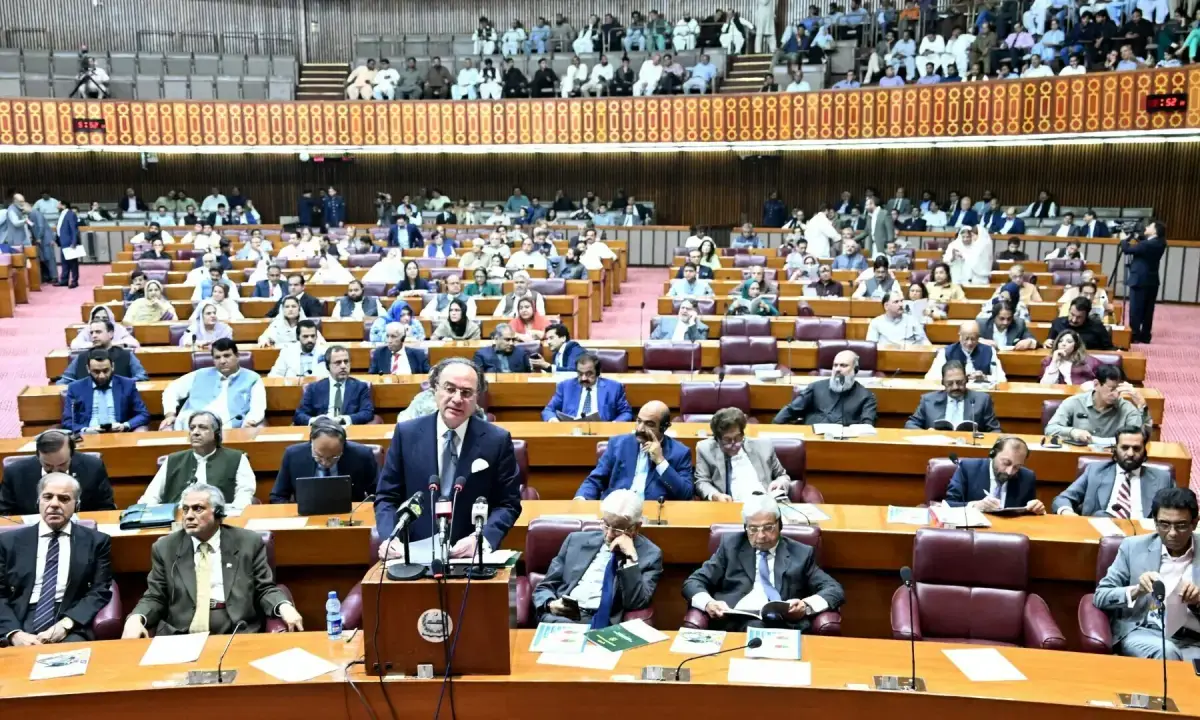
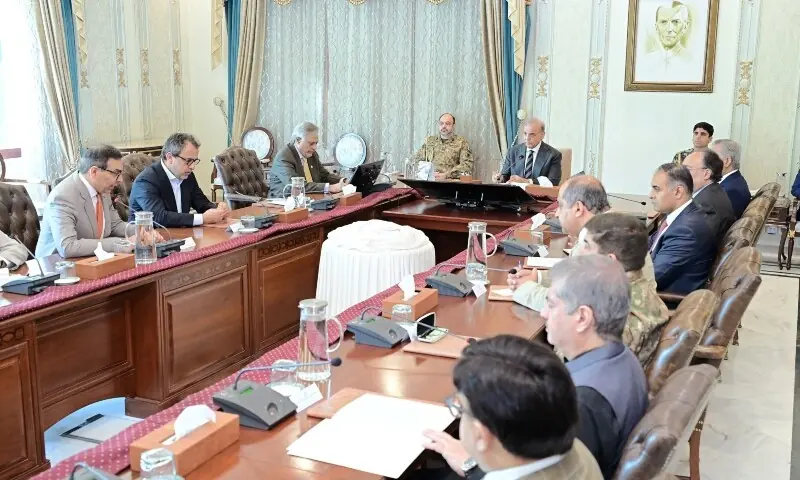
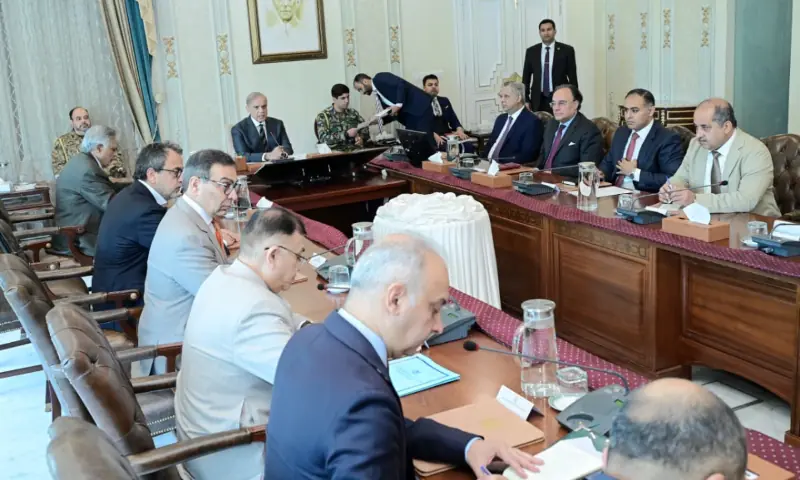
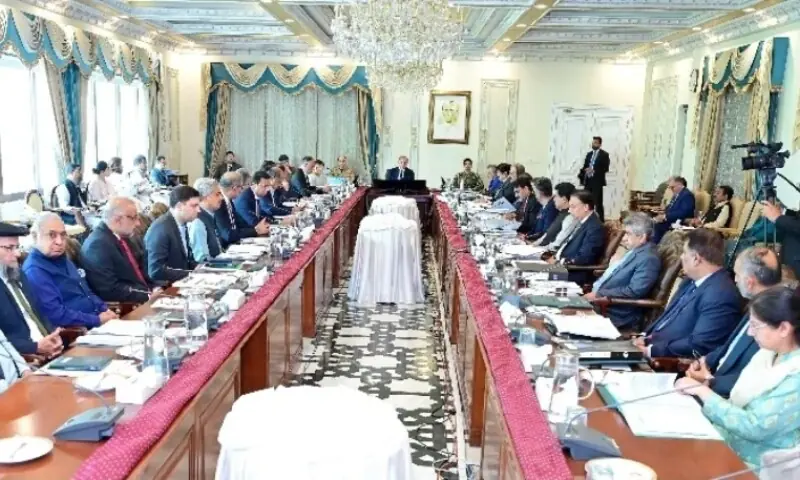
Prime Minister Shehbaz Sharif on Wednesday addressed the National Economic Council (NEC), providing details on the government’s discussions as the current fiscal year nears a close. The NEC met to finalise federal and provincial development plans ahead of the presentation of the budget for the upcoming fiscal year (FY2026-27). It is the highest economic decision-making forum of the federation, led by the premier and comprising the four chief ministers and four federal ministers. “The Centre […] held consultations with the provinces on all matters with extreme seriousness, and we made decisions in the best interest of Pakistan,” PM Shehbaz said in remarks aired on television. The prime minister thanked all chief ministers for their “consultations and assistance on all matters”. PM Shehbaz noted that Punjab Chief Minister Maryam Nawaz could not attend the meeting as she was recovering after her recent medical procedure. “Today, despite having to face big challenges, our economy is stable at the macroeconomic level. But, injecting growth into this is an extremely important process,” the premier observed. “Advancing employment, production, exports and economic activity is our collective responsibility,” he said, adding that all governments tried their best to stay on track on the IMF programme despite “some difficult stages”. In his address, he also spoke of a phone call with Managing Director IMF Kristalina Georgieva, saying that during the conversation, Georgieva was “extremely appreciative of Pakistan’s sincere efforts” towards the IMF programme. He noted that ahead of the NEC, the centre had been consulting with the provinces on where more resources could be brought in. PM Shehbaz noted that the “biggest challenge” the country faced was “to strengthen our defence”, particularly against terrorism. “The entire nation, especially KP and Balochistan as well as the law enforcement agencies and armed forces, is making sacrifices in the fight against terrorism,” the premier said. He maintained that terrorism could only be eliminated if the country “put up a collective struggle against it”. PM Shehbaz further stressed the need for “injecting” incentives aimed at export growth and manufacturing capabilities into the economy to accelerate GDP growth. He noted that a common man would not concern himself with “macro-level stability” but rather wanted better employment opportunities, development in agriculture and the industrial sector, and growth in exports. In his remarks, PM Shehbaz highlighted the recent “huge challenge” arising from the surge in global oil prices, which led to prices of petroleum products being increased. “It was not possible that the Centre and provinces could have dealt with the difficult period without cooperating with each other,” he noted, expressing his heartfelt gratitude to all four chief ministers for their assistance. “But before this provincial assistance, the Centre had already spent Rs128bn from its extremely limited resources,” he added. Highlighting that no “rationing or long queues” were seen after the Middle East conflict sparked, PM Shehbaz affirmed that the reason for this was the “mutual unity” between the provinces and the Centre. “It was the result of our sense of understanding and our teamwork that there were no lines at petrol stations and we made our best efforts to fulfil the expectations of the public,” he said. Concluding his address, PM Shehbaz thanked Punjab Chief Minister Maryam Nawaz and PML-N supremo Nawaz Sharif as well as President Asif Ali Zardari, PPP Chairman Bilawal Bhutto-Zardari, Chief Minister Sindh Murad Ali Shah, KP Chief Minister Sohail Afridi, and Balochistan Chief Minister Sarfaraz Bugti. “Without provincial and federal integration, we would not have reached this point [..], and we must now move forward,” the premier concluded. During the meeting, the NEC was to review federal and provincial development plans worth Rs4.715 trillion for the next fiscal year amid conflicting fiscal needs of critical political and other institutional stakeholders. The government has also summoned sessions of the National Assembly (NA) and Senate for 5pm and 4pm today, respectively. A source in the NA Secretariat told Dawn that both sessions have been called budget sessions for 2026–27. However, it is expected that the budget will be presented in parliament on June 12. NEC agenda The NEC had a four-point agenda for the meeting. The first item pertained to a review of the Annual Plan 2025-26, approval of the Annual Plan 2026-27 and a presentation on key socio-economic indicators of the provinces. This was to be followed by a review of Public Sector Investment (PSI) 2025-26, the proposed PSI 2026-27 and confirmation of changes made in the PSDP 2025-26 through addendums, corrigendums and adjustments on the directives of the prime minister, including a cut of around Rs175bn. The meeting was also to include presentations on provincial annual development plans by the four chief secretaries. The NEC was also expected to take up a progress report of the Central Development Working Party (CDWP) from April 1, 2025, to March 31, 2026, and schemes approved by the CDWP and the Executive Committee of the National Economic Council (Ecnec) during the same period. The meeting of the NEC, previously planned for June 8, was postponed for the third time at the last moment amid continuing negotiations over the freezing of provincial shares in the federal divisible pool under the National Finance Commission (NFC) award.
Go to News Site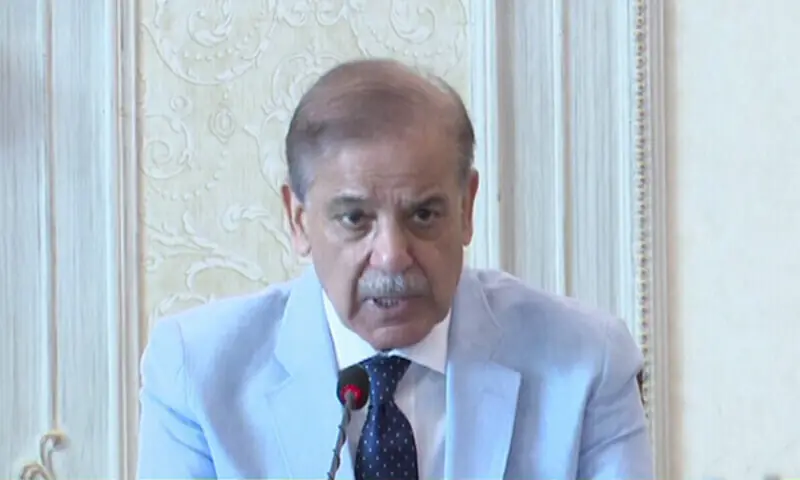 Dawn Business
 Dawn Business
Dawn Business
Dawn Business
 Dawn Business
 Dawn Business
Dawn Business
Dawn Business
 Dawn Business
 Dawn Business
 Dawn Business
 Dawn Business
 Dawn Business
 Dawn Business
 Dawn Business
 Dawn Business
 Dawn Business
 Dawn Business
 Dawn Business
 Dawn Business
 Dawn Business
Dawn Business
Dawn Business
 Dawn Business
Dawn Business
Dawn Business
 Dawn Business
 Dawn Business
 Dawn Business
 Dawn Business
 Dawn Business
 Dawn Business
 Dawn Business
 Dawn Business
 Dawn Business
 Dawn Business
 Dawn Business
 Dawn Business
 Dawn Business
 Dawn Business
Dawn Business
Dawn Business
 Dawn Business
 Dawn Business
 Dawn Business

 BOL Network
 Geo Super
 HUM News
 Business Recorder
 City42