 Ruptly
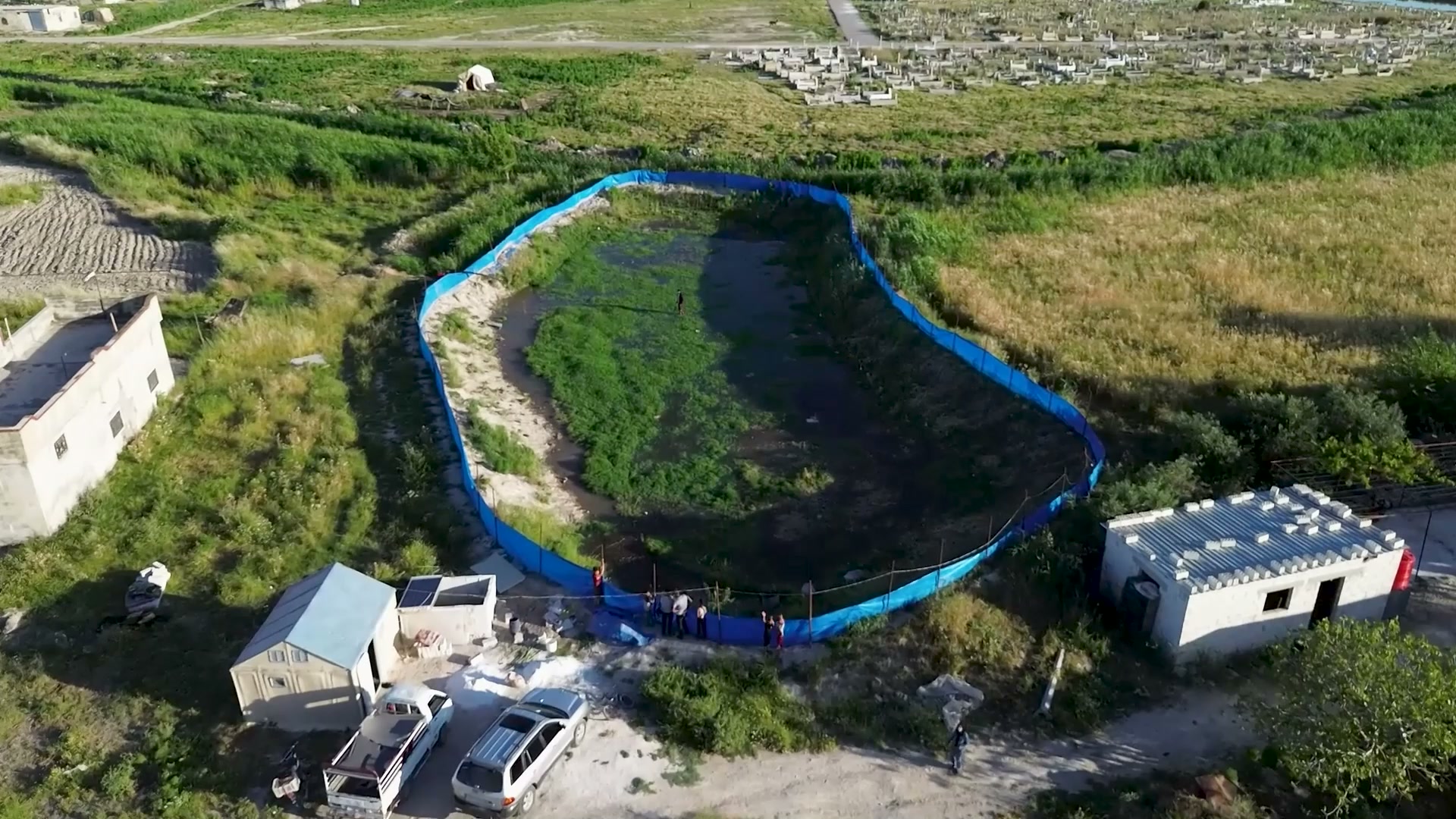
"A Syrian entrepreneur has established a frog-breeding farm in Hama province, describing the unusual venture as a highly profitable business. Farm owner Hassan Dulaimi said the idea emerged from experience he gained while working in Turkey between 2014 and 2019. After returning to Syria, he noticed the abundance of frogs in the Al-Ghab Plain and decided to establish the farm there. He said frog farming required relatively little investment and could offer rapid returns. "A single female frog can lay thousands of eggs that need two to three weeks to hatch," Dulaimi said. Newly hatched tadpoles initially draw nourishment from the remaining yolk before feeding on algae, vegetation and other organic material as they develop. Dulaimi said domestic demand remained limited, with the farm supplying only a small number of restaurants in Damascus. "We currently supply three or four restaurants in Damascus, while exporting the rest to Turkey and Europe. Frogs are not only regarded as a delicacy in Europe, but they are also widely used in scientific laboratories," he said. He added that some of the farm’s production was used for research and scientific purposes. Frog farming was previously a thriving activity in parts of Hama province during the 1980s, but later declined because of displacement and damage to infrastructure during Syria’s conflict. Sawsan Al-Hammoud, head of Natural Resources Safety at Hama’s Environmental Directorate, said last month that the sector was gradually recovering as stability improved and residents returned to farming communities. Farms are generally concentrated in water-rich and marshland areas, including the Al-Ghab Plain. Frozen frog legs have previously been exported to markets including France, although frogs have never formed a significant part of Syria’s mainstream cuisine. For some farmers, the trade now offers a low-cost alternative source of income as rural economic activity slowly returns."
Go to News Site