Scientists finally uncover why statins cause muscle pain

Scientists finally uncover why statins cause muscle pain

A new discovery may explain why so many people abandon cholesterol-lowering statins because of muscle pain and weakness. Researchers found that certain statins can latch onto a key muscle protein and trigger a tiny but harmful calcium leak inside muscle cells. That leak may weaken muscles directly or activate processes that slowly break them down, offering a long-sought explanation for statin-related aches.

Massive brain study reveals why memory loss can suddenly speed up with age

Massive brain study reveals why memory loss can suddenly speed up with age

A massive international brain study has revealed that memory decline with age isn’t driven by a single brain region or gene, but by widespread structural changes across the brain that build up over time. Analyzing thousands of MRI scans and memory tests from healthy adults, researchers found that memory loss accelerates as brain tissue shrinkage increases, especially later in life. While the hippocampus plays a key role, many other brain regions also contribute, forming a broad vulnerability rather than isolated damage.

The Sky Today on Wednesday, January 14: Iapetus at inferior conjunction

The Sky Today on Wednesday, January 14: Iapetus at inferior conjunction

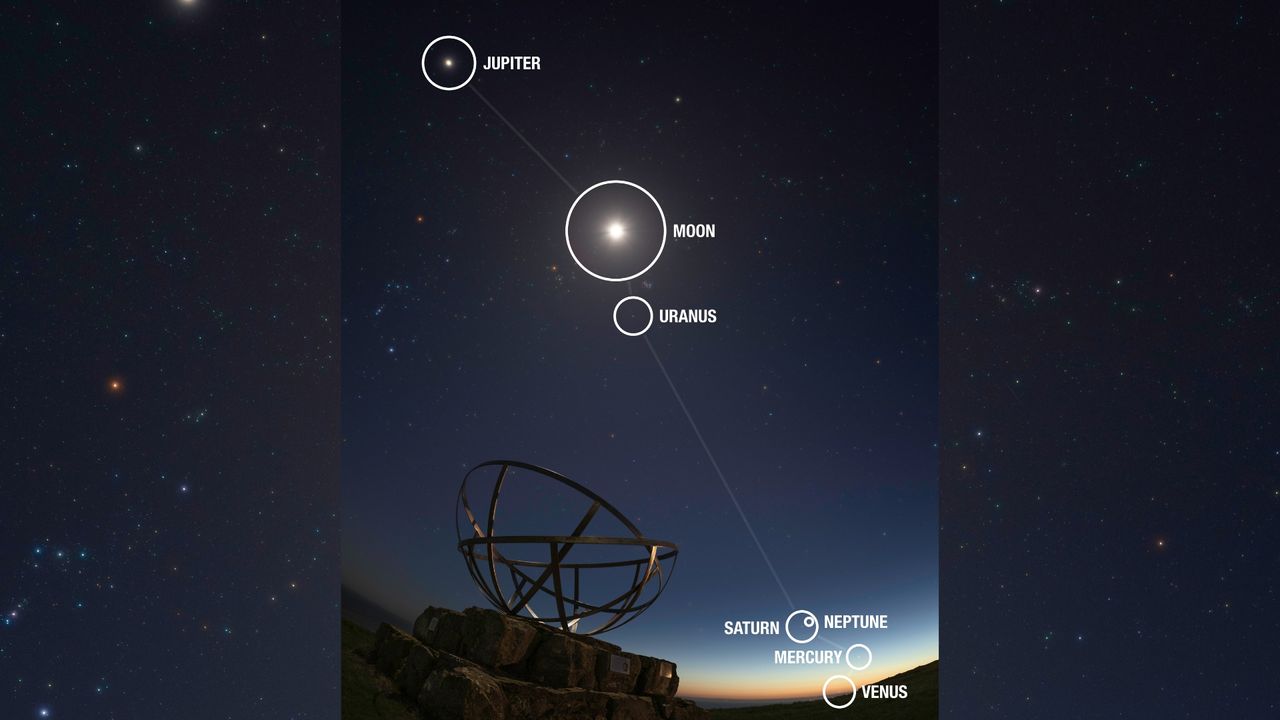
Looking for a sky event this week? Check out our full Sky This Week column.  January 13: Ganymede’s turn to transit Ganymede is transiting Jupiter with its shadow as January 14 opens subsequently in each time zone across the U.S. After the moon and its shadow begin their transits at 12:34 A.M. and 12:58 A.M. EST, respectively, Continue reading "The Sky Today on Wednesday, January 14: Iapetus at inferior conjunction" The post The Sky Today on Wednesday, January 14: Iapetus at inferior conjunction appeared first on Astronomy Magazine .

A 3,000-year high: Alaska’s Arctic is entering a dangerous new fire era

A 3,000-year high: Alaska’s Arctic is entering a dangerous new fire era

For thousands of years, wildfires on Alaska’s North Slope were rare. That changed sharply in the 20th century, when warming temperatures dried soils and fueled the spread of shrubs, setting the stage for intense fires. Peat cores and satellite data reveal that fire activity since the 1950s has reached record levels. The findings suggest the Arctic is entering a new, more dangerous fire era.