


How a teen’s AI model could help stop poaching in rainforests
A 17-year-old’s breakthrough AI may finally give wildlife rangers the real-time edge they need to stop poachers
A 17-year-old’s breakthrough AI may finally give wildlife rangers the real-time edge they need to stop poachers

Scientists have unveiled a breakthrough way to turn natural gas—long burned as fuel—into valuable chemical building blocks for medicines and other high-demand products. By designing a clever iron-based catalyst powered by LED light, researchers managed to activate stubborn molecules like methane and transform them into complex compounds, even creating the hormone therapy drug dimestrol directly from methane for the first time.
Scientists have unveiled a breakthrough way to turn natural gas—long burned as fuel—into valuable chemical building blocks for medicines and other high-demand products. By designing a clever iron-based catalyst powered by LED light, researchers managed to activate stubborn molecules like methane and transform them into complex compounds, even creating the hormone therapy drug dimestrol directly from methane for the first time.

The dinosaurs were wiped out by an asteroid, but does that mean we risk suffering the same fate - and should you be worried about the possibility? Leah Crane sets the matter straight

Winchester's MP highlights sewage spills potentially affecting the endangered Atlantic salmon.

Get a great view of the "blood moon" with these optics and level up your stargazing for the future.

Scientists at MIT have found compelling chemical evidence that Earth’s earliest animals were likely ancient sea sponges. Hidden inside rocks over 541 million years old are rare molecular “fingerprints” that match compounds made by modern demosponges. After testing rocks, living sponges, and lab-made molecules, researchers confirmed the signals came from life — not geology. The discovery suggests sponges were thriving in the oceans well before most other animal groups appeared.
Scientists at MIT have found compelling chemical evidence that Earth’s earliest animals were likely ancient sea sponges. Hidden inside rocks over 541 million years old are rare molecular “fingerprints” that match compounds made by modern demosponges. After testing rocks, living sponges, and lab-made molecules, researchers confirmed the signals came from life — not geology. The discovery suggests sponges were thriving in the oceans well before most other animal groups appeared.

Secret-keeping evolved to maintain social harmony, but it can weigh heavily on us when we can’t stop thinking about them. So, what is the best way to deal with things that we don't want anyone else to know?

Looking for a sky event this week? Check out our full Sky This Week column. February 26: Mercury moves north of Venus The Moon passes 4° north of Jupiter at 1 A.M. EST. Both are located in Gemini, now sinking slowly in the west. At 1 A.M. local time, the region is still 30° high, with the Continue reading "The Sky Today on Friday, February 27: The Moon and Jupiter meet up in Gemini" The post The Sky Today on Friday, February 27: The Moon and Jupiter meet up in Gemini appeared first on Astronomy Magazine .
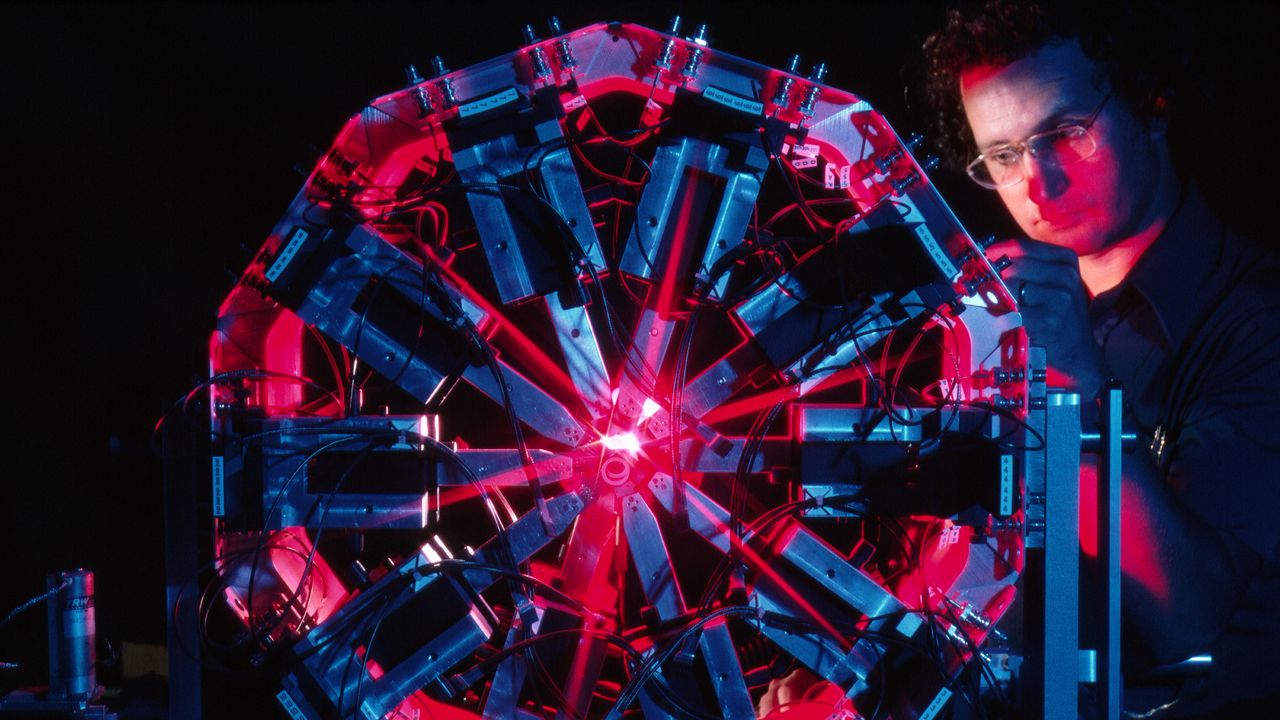
Martin Kamen and Samuel Ruben's discovery of the radioactive isotope carbon-14 in 1940 helped usher in a new era of dating artifacts from past civilizations.

Six planets - Mercury, Venus, Saturn, Jupiter, Uranus and Neptune - will all be visible in the night sky.
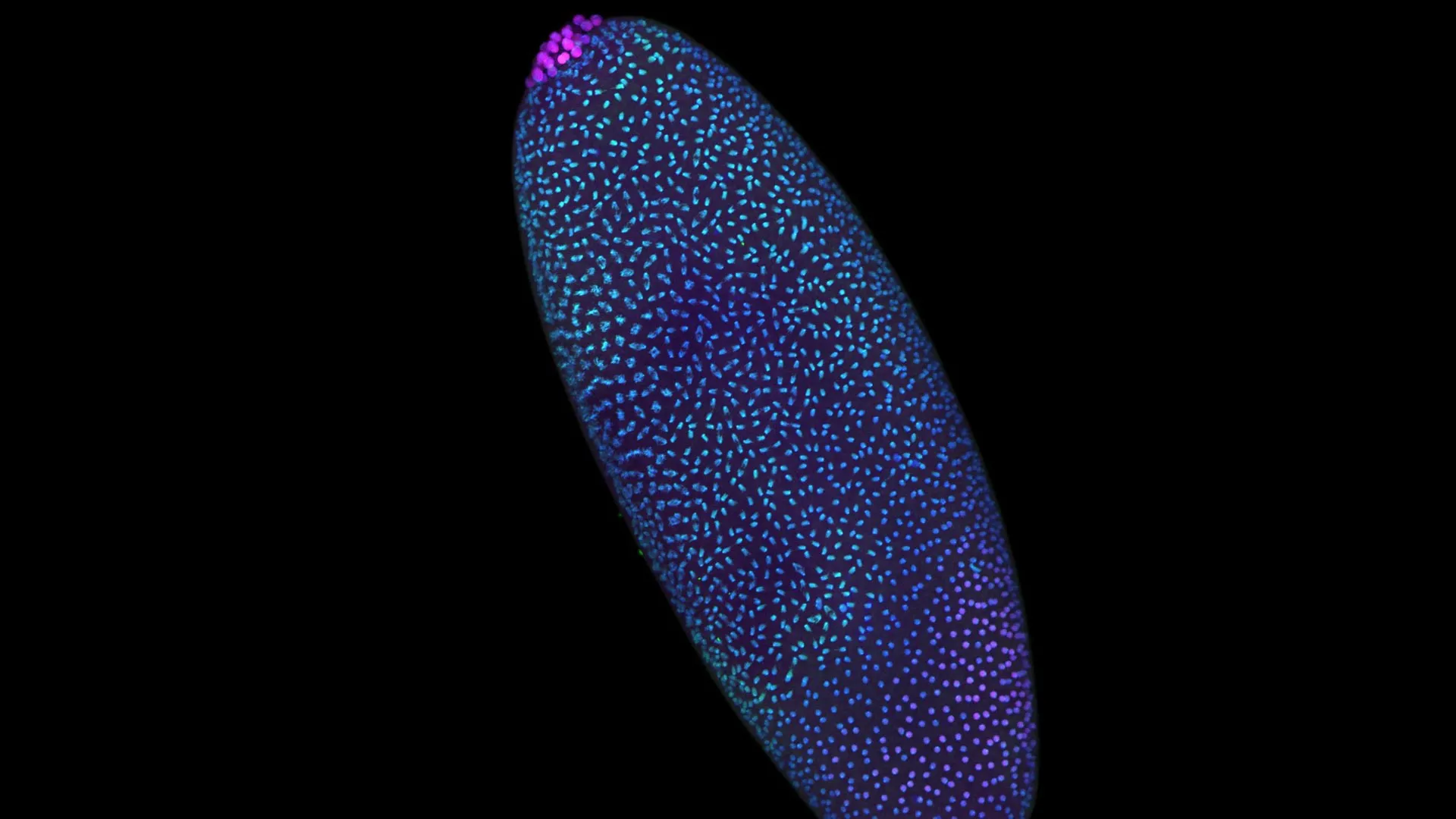
For decades, scientists believed a fertilized egg’s DNA began as a shapeless mass, only organizing itself once the embryo switched on its genes. But new research reveals that the genome is already carefully arranged in three dimensions long before that critical activation step, known as Zygotic Genome Activation. Using a powerful new method called Pico-C, researchers captured this hidden DNA architecture in unprecedented detail, showing that a complex scaffold is built early to control which genes will later turn on.
For decades, scientists believed a fertilized egg’s DNA began as a shapeless mass, only organizing itself once the embryo switched on its genes. But new research reveals that the genome is already carefully arranged in three dimensions long before that critical activation step, known as Zygotic Genome Activation. Using a powerful new method called Pico-C, researchers captured this hidden DNA architecture in unprecedented detail, showing that a complex scaffold is built early to control which genes will later turn on.

Heart disease is on track to tighten its grip on American women. New projections from the American Heart Association warn that over the next 25 years, cardiovascular disease will rise sharply, driven largely by a surge in high blood pressure, diabetes, and obesity. By 2050, nearly 60% of women in the U.S. could have high blood pressure, and close to one in three women ages 22 to 44 may already be living with some form of heart disease.
Heart disease is on track to tighten its grip on American women. New projections from the American Heart Association warn that over the next 25 years, cardiovascular disease will rise sharply, driven largely by a surge in high blood pressure, diabetes, and obesity. By 2050, nearly 60% of women in the U.S. could have high blood pressure, and close to one in three women ages 22 to 44 may already be living with some form of heart disease.
 Scientific American
  ScienceDaily
  New Scientist
  BBC Science News
  SPACE.com
  Astronomy Magazine
  Live Science