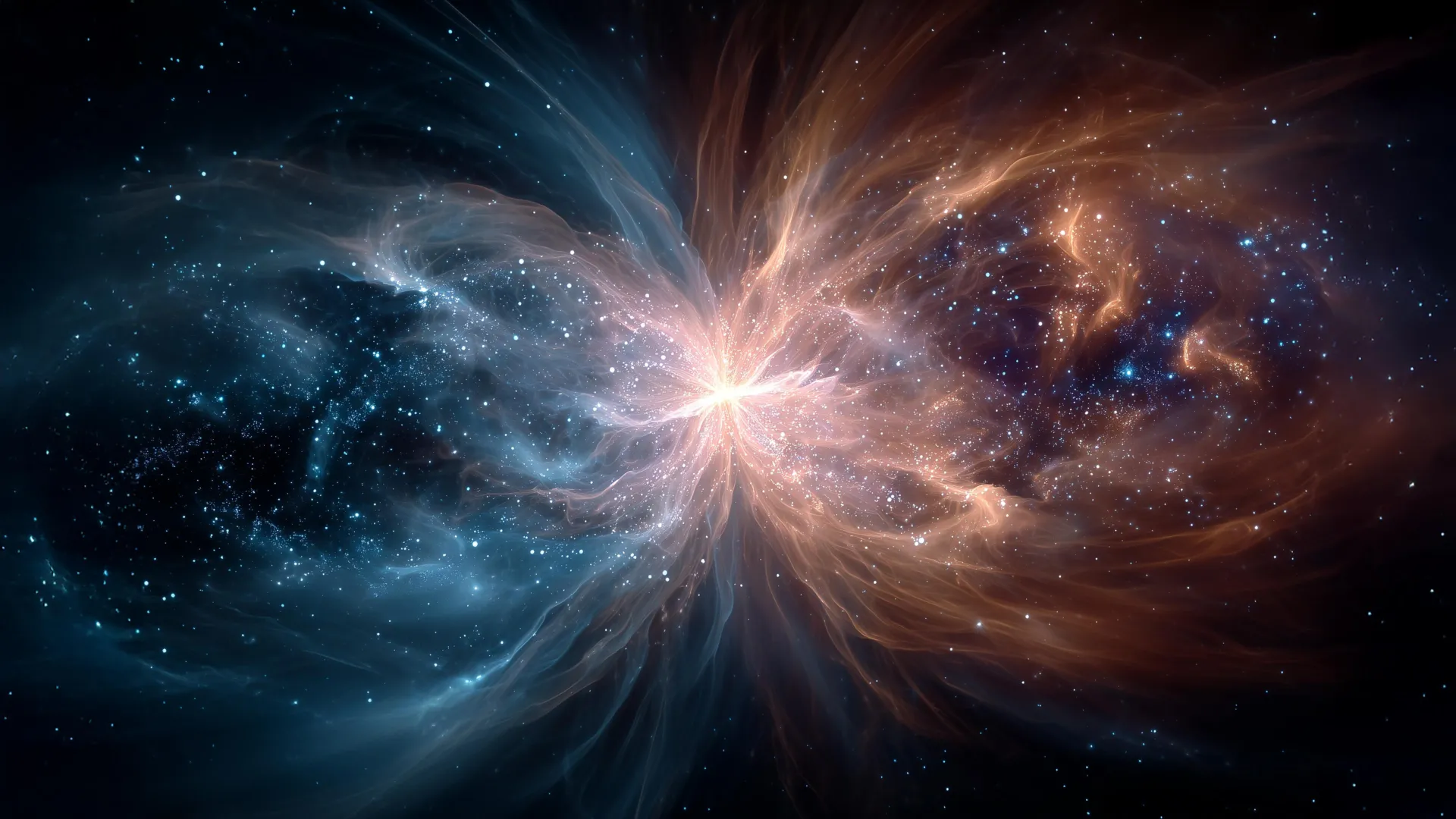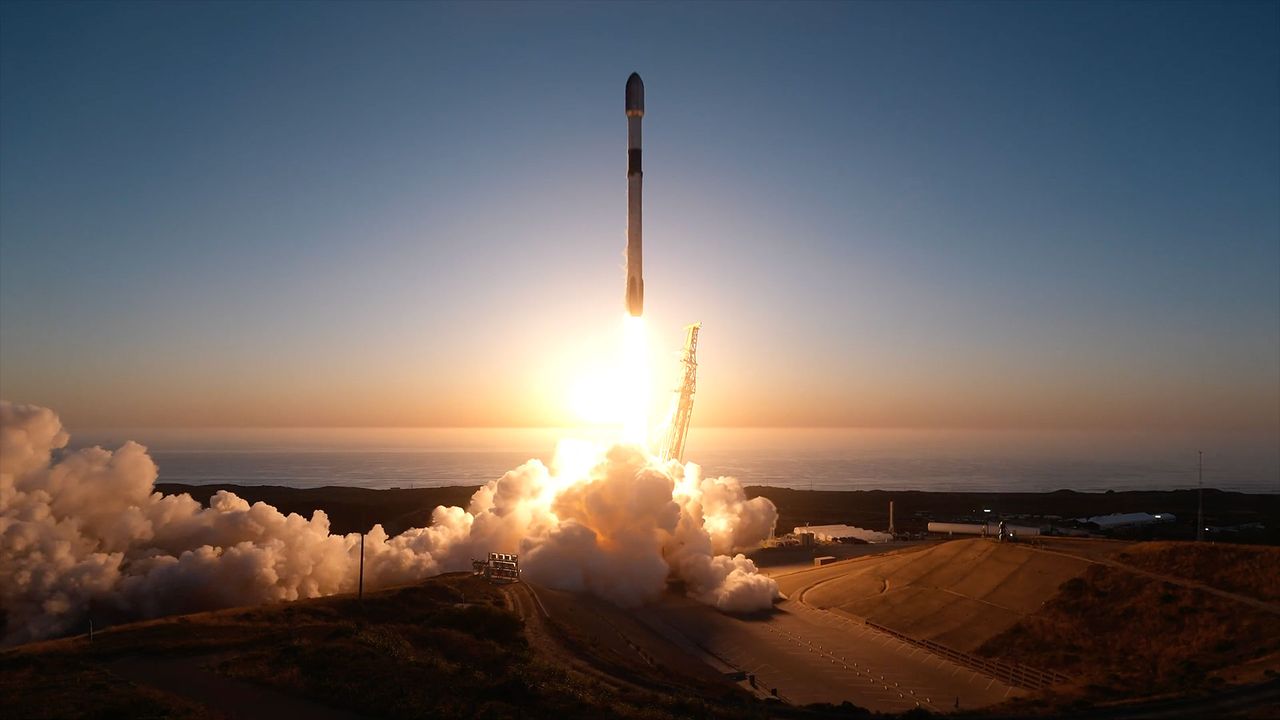

Astronomers Spot Huge Microwave Laser Blasting Into Space
A literal space laser. The post Astronomers Spot Huge Microwave Laser Blasting Into Space appeared first on Futurism .
The first bubble of hot gas seen around another star has been spotted around the "Moth," just 117 light-years away.
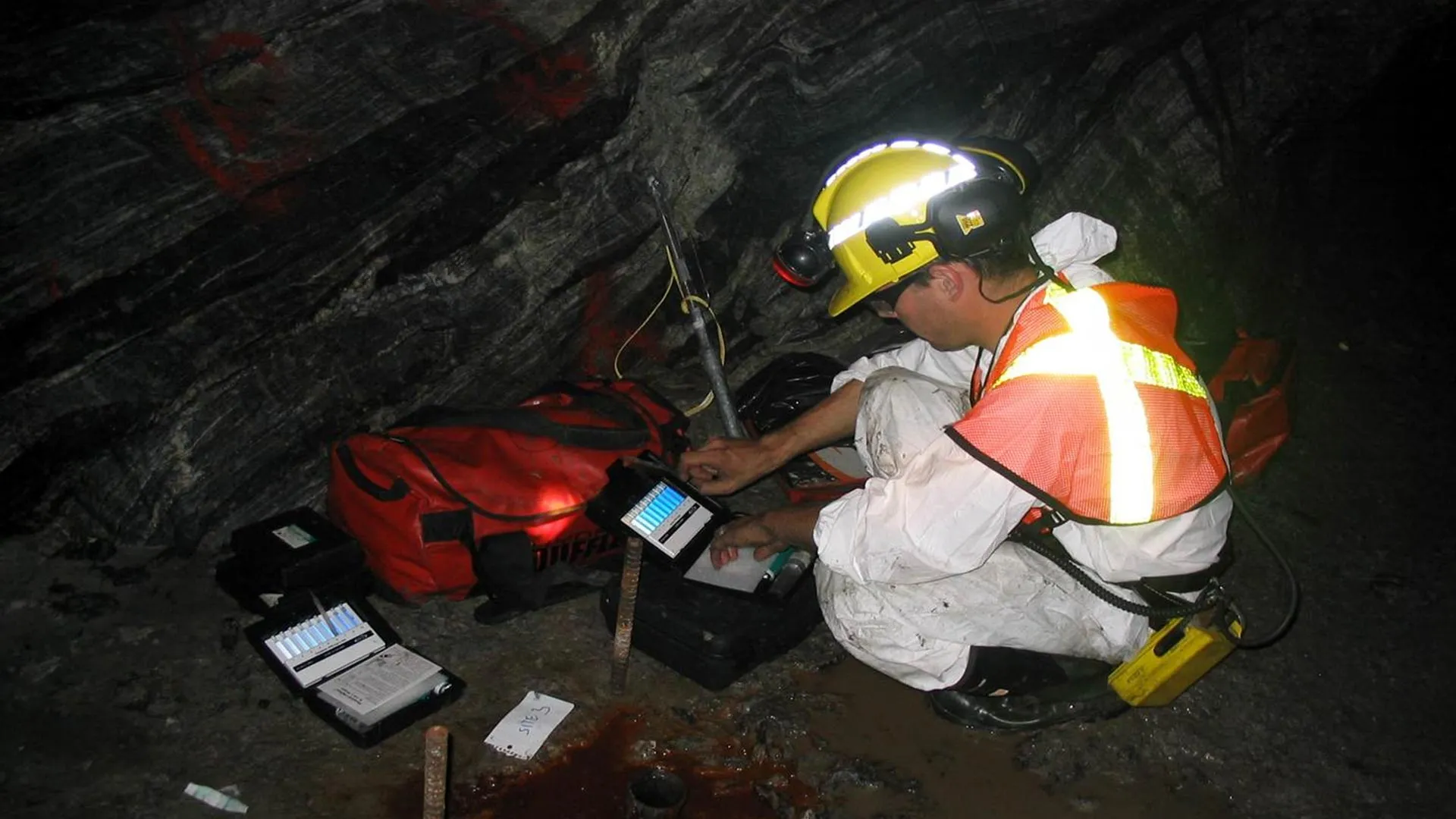
Scientists at Rice University have produced the first full, dye-free molecular atlas of an Alzheimer’s brain. By combining laser-based imaging with machine learning, they uncovered chemical changes that spread unevenly across the brain and extend beyond amyloid plaques. Key memory regions showed major shifts in cholesterol and energy-related molecules. The findings hint that Alzheimer’s is a whole-brain metabolic disruption—not just a protein problem.
Your weight doesn't change because of gravity but because the floor pushes back. Physicists explain why elevators briefly make you feel heavier or lighter.
That photogenic cup of bubble tea may come with hidden downsides. Tapioca pearls made from cassava can absorb heavy metals like lead, and in large amounts they may slow digestion or even cause blockages. The drink is often loaded with sugar—sometimes more than soda—raising risks for cavities, obesity, diabetes, and fatty liver disease. There are even reports linking frequent consumption to kidney stones and poorer mental health.
Controversial proposals to turn land near HMP Kilmarnock into a technology hub are being advanced by energy company ILI Group.
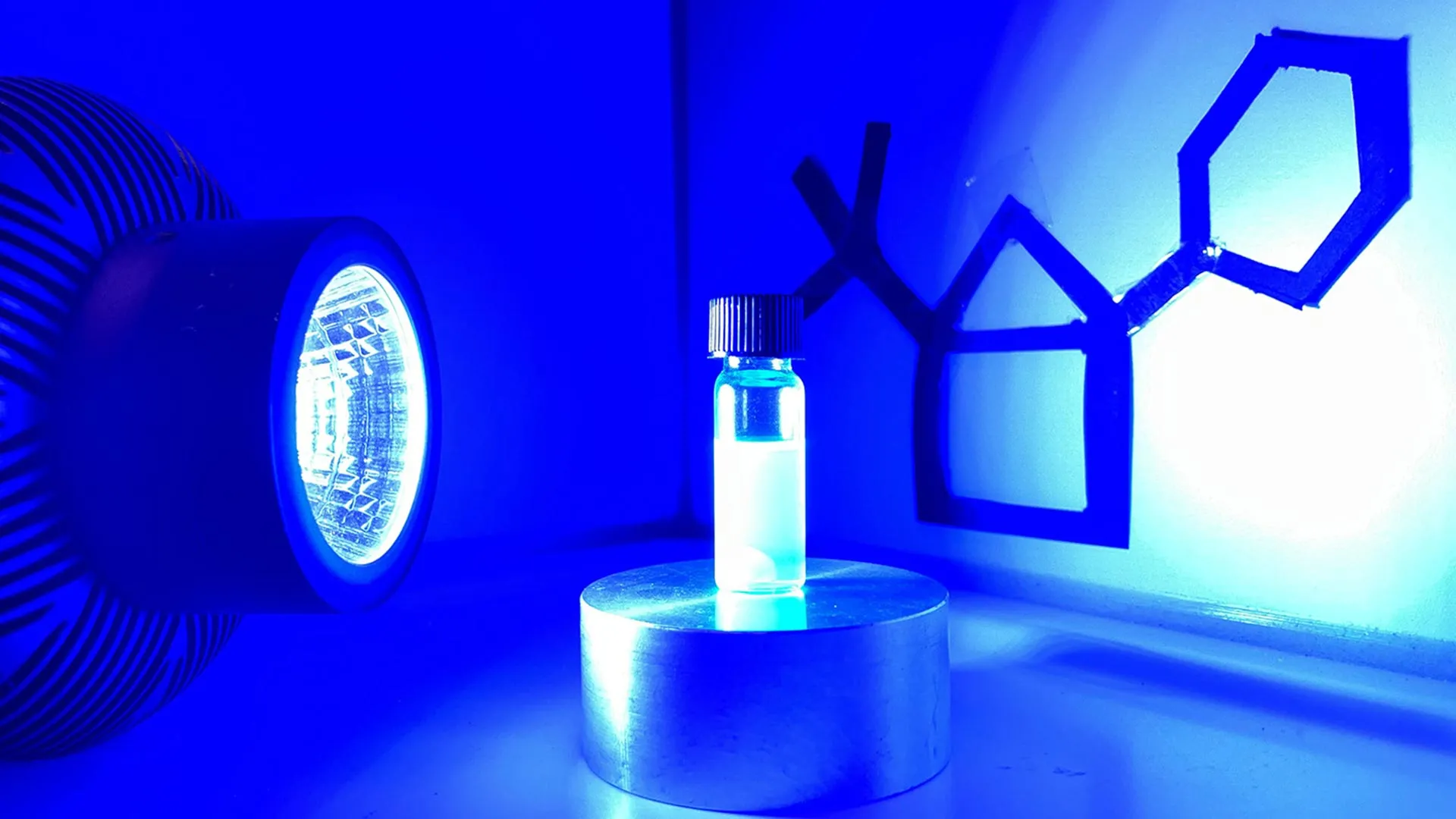
Scientists at Oregon State University have engineered a powerful new nanomaterial that zeroes in on cancer cells and destroys them from the inside out. Designed to exploit cancer’s unique chemistry—its acidity and high hydrogen peroxide levels—the tiny iron-based structure sparks not one but two intense chemical reactions, flooding tumors with cell-damaging oxygen molecules. This dual attack overwhelms cancer cells with oxidative stress while sparing healthy tissue.
Looking for a sky event this week? Check out our full Sky This Week column. February 28: Orion stands tall We are quickly losing sight of Saturn in the evening sky — tonight, take some time to glimpse the glorious ringed planet before it gets too low in the west. An hour after sunset, Venus and Mercury Continue reading "The Sky Today on Sunday, March 1: Some last views of Saturn" The post The Sky Today on Sunday, March 1: Some last views of Saturn appeared first on Astronomy Magazine .
Scientists have pulled off a feat long considered out of reach: getting light to mimic the famous quantum Hall effect. In their experiment, photons drift sideways in perfectly defined, quantized steps—just like electrons do in powerful magnetic fields. Because these steps depend only on nature’s fundamental constants, they could become a new gold standard for ultra-precise measurements. The discovery also hints at tougher, more reliable quantum photonic technologies.
Astronomers have long known the universe is expanding—but exactly how fast remains one of the biggest mysteries in cosmology. Different techniques for measuring the Hubble constant stubbornly disagree, creating the so-called “Hubble tension.” Now researchers at the University of Illinois Urbana-Champaign and the University of Chicago have unveiled a bold new way to weigh in on the debate using gravitational waves—the faint ripples in spacetime produced by colliding black holes.
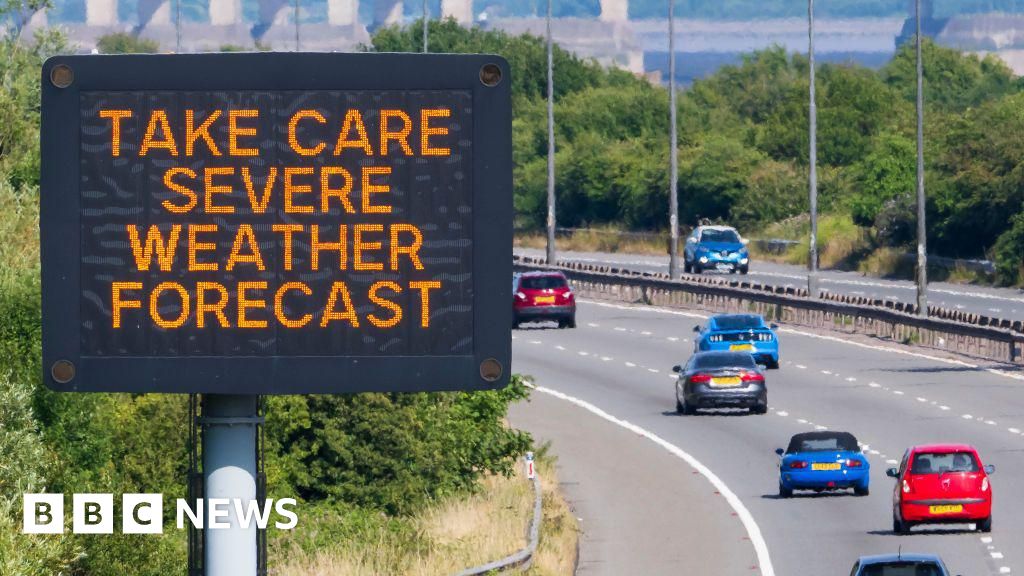
Recent rain and flooding across Devon and Cornwall is impacting wildlife and their habitats.
Jupiter’s icy moons may have been seeded with the chemical ingredients for life from the very beginning. An international team of scientists modeled how complex organic molecules—essential building blocks for biology—could have formed in the swirling disk of gas and dust around the young Sun and later been carried into Jupiter’s own moon-forming disk. Their results suggest that up to half of the icy material that built moons like Europa, Ganymede, and Callisto may have delivered freshly made organic compounds without being chemically destroyed.
In 1974, physicist Stephen Hawking described the potential for tiny, primordial black holes that existed at the dawn of time to explode — and reshaped what we knew about these cosmic behemoths.
A total lunar eclipse is the highlight of the month. For planetary action, Jupiter is well placed most of the night and there are many events involving its Galilean moons. Soon after sunset, brilliant Venus appears low in the western sky. Within reach of binoculars, Uranus wanders close to stars that are easy to find Continue reading "March 2026: What’s in the sky this month? A total lunar eclipse, Jupiter’s Galilean moons, and Uranus’ soft glow" The post March 2026: What’s in the sky this month? A total lunar eclipse, Jupiter’s Galilean moons, and Uranus’ soft glow appeared first on Astronomy Magazine .
Early March finds us in a dramatic lull as far as viewing naked-eye planets goes, with four of them being uncomfortably close to the Sun for observation. Fortunately, that fate doesn’t apply to Jupiter. The giant planet remains prominent in the northern sky all evening, shining at magnitude –2.4 among the stars of central Gemini. Continue reading "March 2026: What’s in the Southern Hemisphere sky this month?" The post March 2026: What’s in the Southern Hemisphere sky this month? appeared first on Astronomy Magazine .
Struggling to fall asleep and stopping breathing at night may be a far riskier combo than previously thought. In a study of nearly a million veterans, researchers found that having both insomnia and sleep apnea dramatically raises the risk of hypertension and heart disease. The two conditions don’t just coexist—they interact in ways that intensify strain on the heart. Addressing sleep problems early could help prevent cardiovascular disease before it starts.