 Forbes India
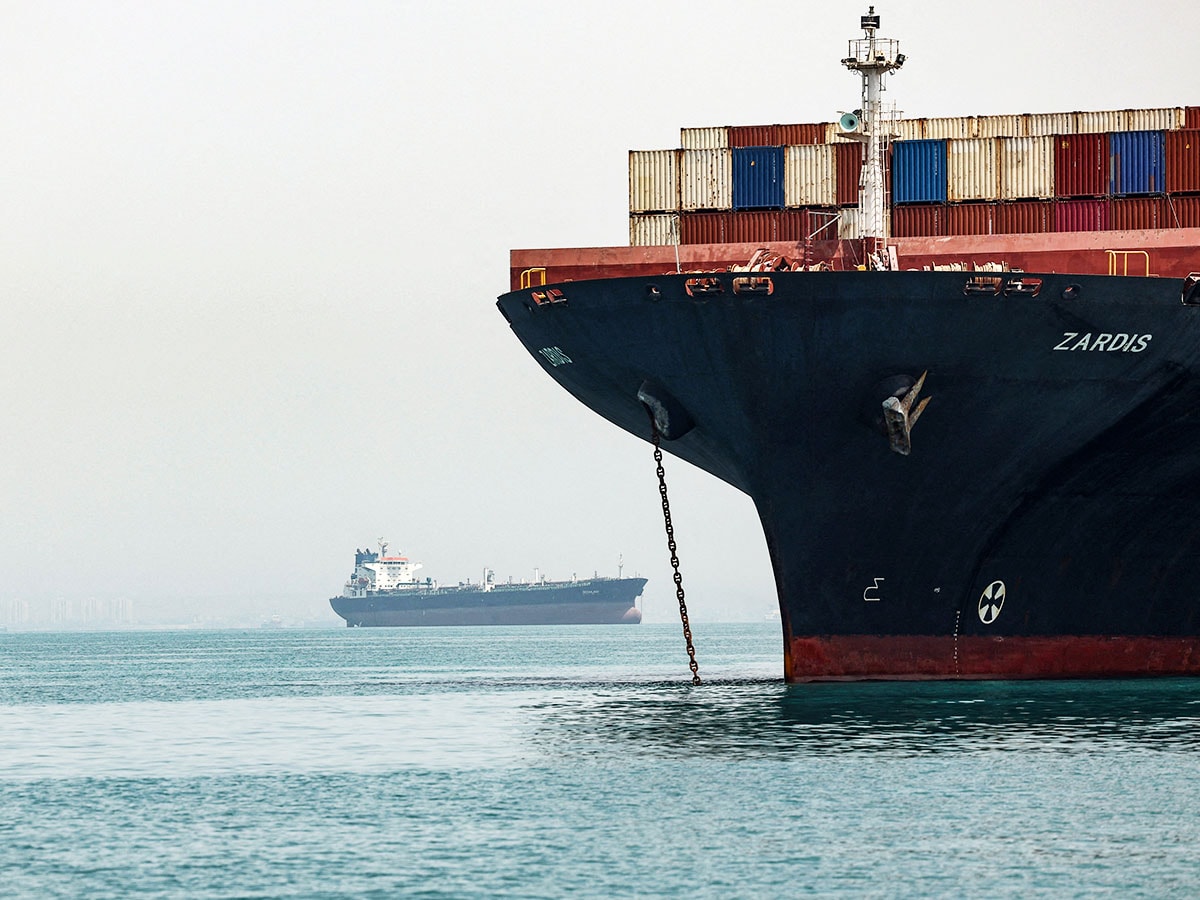
The Ministry of Statistics and Programme Implementation (MOSPI) is set to release the provisional GDP estimates for 2025-26 (FY26) along with Q4 FY26 growth figures on Friday. The GDP print is particularly important since it is going to be the first official estimate of how the West Asia war has, or has not, fed through into the Indian economy.Specifically, economists and analysts will be watching for revisions to net taxes on products, which are expected to be pulled lower by a higher fertiliser subsidy bill, alongside the manufacturing sector performance. The extent to which utilities and construction can offset weakness in agriculture, mining and trade, hotels, and the transport segment will also be closely tracked, as will the expenditure side breakdown for any signs of stress in private consumption and gross fixed capital formation in the final weeks of the quarter.What the numbers are expected to showThe Goldman Sachs Global Investment Research team expects India’s Q4FY26 real GDP growth at 7.2 percent, slightly ahead of the Bloomberg consensus of 7 percent.That broadly aligns with the NSO’s own expected estimate of 7.3 percent for the quarter, though domestic rating agency ICRA puts its forecast at a more conservative 7 percent, a three-quarter low, citing a manufacturing-led industrial slowdown and softer services momentum. Bank of Baroda, meanwhile, sees Q4FY26 GDP coming in at 7.2–7.3 percent, with gains in utilities and construction making up for weaker agriculture and mining numbers.For the full year, the NSO’s second advance estimate had placed FY26 GDP growth at 7.6 percent, a figure already revised upward from 7.4 percent as per the first advanced estimates following the adoption of the new 2022-23 base year series in February.Also Read: West Asia tensions begin filtering into Indian economy, says Finance MinistryThe West Asia wildcardDespite the West Asia war and the related disruptions in global energy supply and prices, Goldman Sachs notes that fuel demand held up better than expected in March, likely because retail pump prices were left unchanged, with the government and oil marketing companies absorbing a portion of the cost increase “through fiscal and quasi-fiscal policies”. Bank credit growth also stayed resilient at around 15 percent year-on-year, with credit to micro and small enterprises reaching all-time highs at 33 percent year-on-year growth.However, the shock was not entirely absorbed as core industrial output contracted 0.4 percent in March led by weaker output in sectors that are gas intensive, particularly fertilisers, before recovering to 1.7 percent in April. The Bank of Baroda note corroborates this, pointing to gas cuts of 20–30 percent announced for manufacturers and fertiliser producers in March, and a sharp rise in urea prices of around 84 percent year-on-year.ICRA points out that investment activity was a bright spot in Q4 FY2026, with project completions hitting a record Rs 4.2 trillion, more than double the Rs 2 trillion logged in Q3 and well above the Rs 2.8 trillion in the same quarter last year. Government capital spending also rebounded, with both the Centre and 26 state governments posting around 12 percent year-on-year growth in January-February after the Centre had contracted sharply in Q3FY26. Capital goods output growth accelerated to 10.5 percent in Q4FY26 from 6.8 percent in the previous quarter.There was, however, a drop in exports. Merchandise shipments fell 2.8 percent year-on-year in Q4FY26, reversing modest growth of 1.4 percent in Q3, as the West Asia conflict disrupted shipping and slowed global demand. Textiles, pharmaceuticals, and gems and jewellery were among the hardest hit, likely dragging on manufacturing output in the quarter, ICRA notes.Agriculture, too, faces a mixed picture. While rabi crop output for 2025-26 was broadly higher across most varieties, with coarse cereals, pulses and oilseeds reporting strong year-on-year gains, above-normal temperatures and heatwaves in March raised concerns about crop yields that may not have been fully captured in advance estimates.S&P Global Ratings, in its Asia-Pacific outlook published in March, projected India’s real GDP growth at 7.1 percent for FY27, noting that downside risks were tilting higher due to commodity price volatility and trade uncertainty.Cautious outlook for FY27?Goldman Sachs warns that elevated crude oil and gas prices, if sustained, pose a growing headwind to domestic demand. Early signs were already visible in April data, where demand conditions appear to have moderated following recent fuel price hikes. Commercial LPG cylinder prices have risen by more than Rs 1,200 per cylinder between April and early June, while CNG and petrol prices have also moved up sharply.International crude prices, on an Indian basket basis, stood at $114.5 per barrel in April before easing slightly to around $106.7 per barrel in the first half of May, though still above the $100 mark.Bank of Baroda expects FY27 GDP growth at 6.5–6.8 percent, with the bulk of the war’s impact expected to be felt in the first quarter of the new fiscal year. ICRA has revised its baseline forecast for FY27 down more sharply, to 6.2 percent from 6.5 percent, assuming crude oil averages around $95 per barrel for the year. In a more adverse scenario with crude averaging $105 per barrel, ICRA estimates growth could slow to as low as 5.8 percent.The bottom lineWith energy prices still elevated, a below-normal monsoon forecast on the horizon, global trade uncertainty unresolved, and April and May data already showing some demand softness, Friday’s GDP print could provide some answers about growth momentum going into FY27.
Go to News Site