 Forbes India
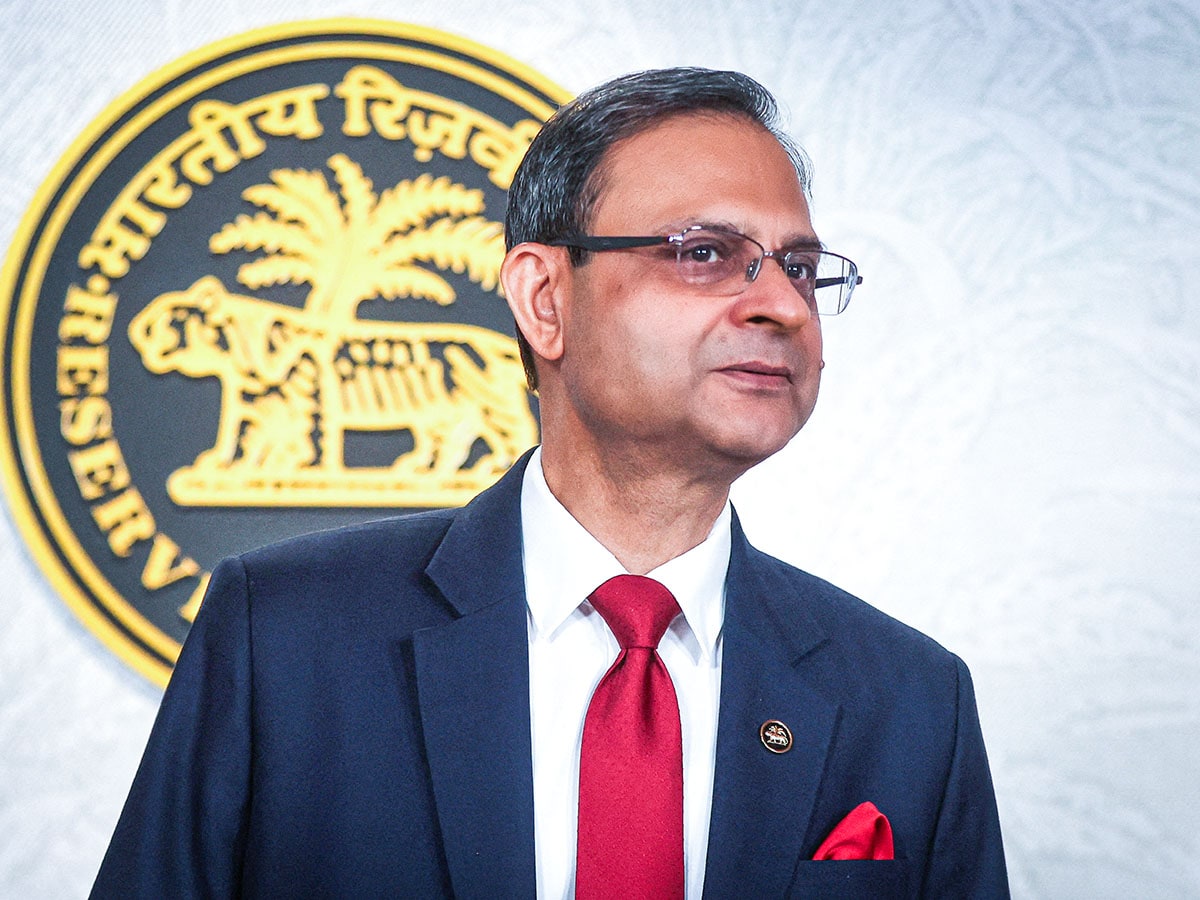
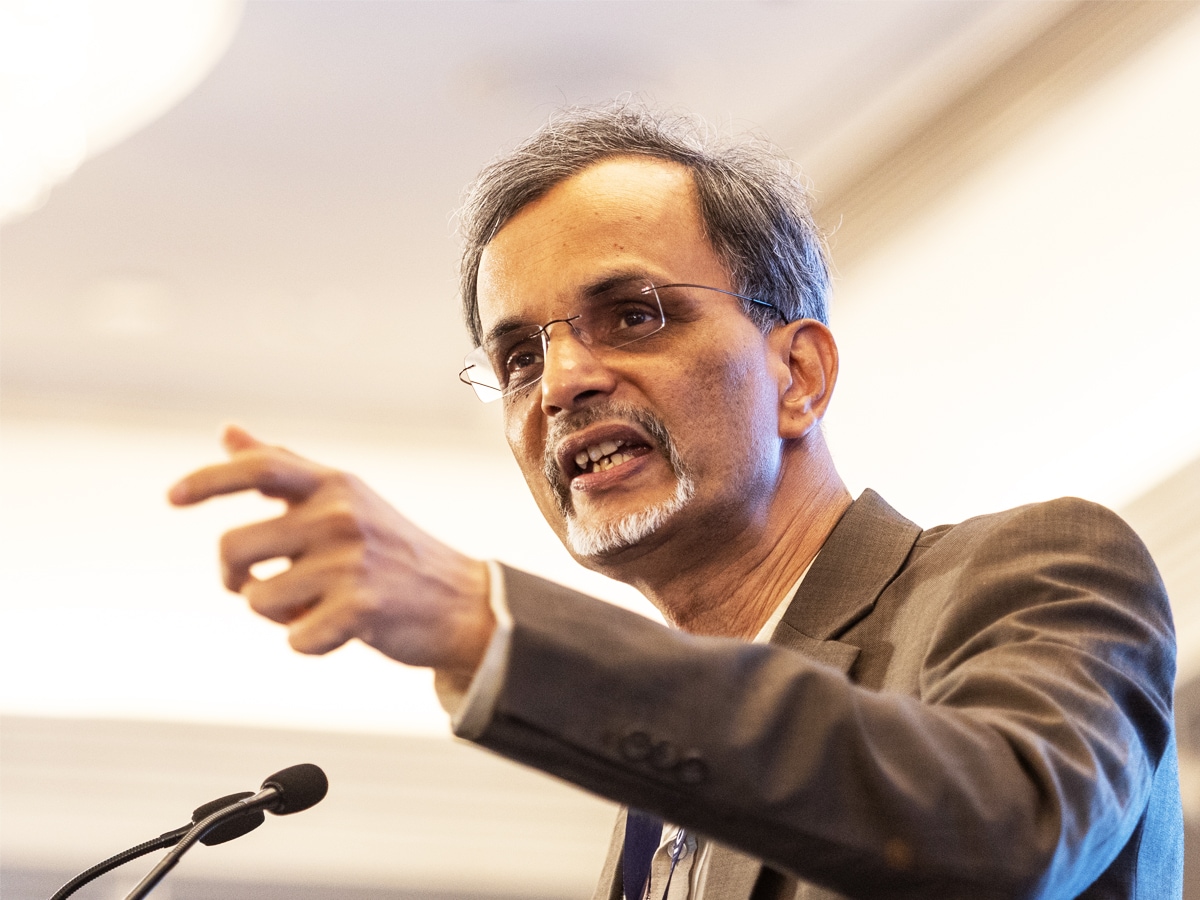
India’s Chief Economic Adviser V Anantha Nageswaran on Friday said there is no expectation that the government will need to increase its borrowing programme for FY27, even as the West Asia conflict continues to cloud the macroeconomic outlook.Speaking at a press conference for the release of India’s provisional GDP estimates for FY26 and Q4FY26 data, Nageswaran said the household sector’s financial resources remain ample, and that recent steps to open up the government bond segments to foreign investors, along with the removal of certain capital gains tax, reduce financing concerns. “There is no expectation at this stage that the borrowing programme will need to be increased,” he said.He quoted Reserve Bank of India’s (RBI) data to emphasise that household savings had improved from 5.2 percent of GDP in FY23 to 7 percent of GDP, and if anything, total financial wealth of the households had been “underestimated”.On growth and inflation, Nageswaran said the government would defer to the RBI’s freshly revised estimates, rather than put out its own forecast at this stage. The RBI on Friday lowered its FY27 real GDP growth projection to 6.6 percent from 6.9 percent, while revising its headline CPI inflation estimate up to 5.1 percent from 4.6 percent, with a downside risk on growth and an upside risk on inflation, respectively.“That seems to be a fair assessment of the situation by the central bank, and we have no reason to second-guess them at this point,” Nageswaran said, adding that the Ministry of Finance would work with the RBI’s base assumptions given the prevailing uncertainties.The CEA flagged the war in West Asia, which erupted on February 28, as representing both a significant “supply shock” and a “potential demand shock”. On the demand side, he said the jury is still out. High-frequency indicators through April and May show urban and rural auto sales growing in double digits, steel and cement consumption holding up, and most activity indicators in positive territory. “We are seeing extraordinary resilience in the high-frequency data, which we should not dismiss out of hand,” he said.Also Read: India grew at 7.8% in Q4FY26, growth estimates for FY26 pegged at 7.7%However, Nageswaran cautioned that oil price uncertainty, a weakening monsoon forecast “pose upside risks to the inflation outlook”. A sharper rise in crude prices in the second half of the financial year, should global supply disruptions worsen, remains the key risk to watch.He also signalled a return to 7 percent-plus growth in FY28, provided external conditions improve. “Even if the growth rate slips below 7 percent as the RBI forecast suggests, the macro-stability measures and supply assurances will bring us back to the 7 percent-plus growth track in FY28 or as soon as external conditions permit,” he said.
Go to News Site