
The best luxury electric cars – driven, rated and ranked

The best luxury electric cars – driven, rated and ranked

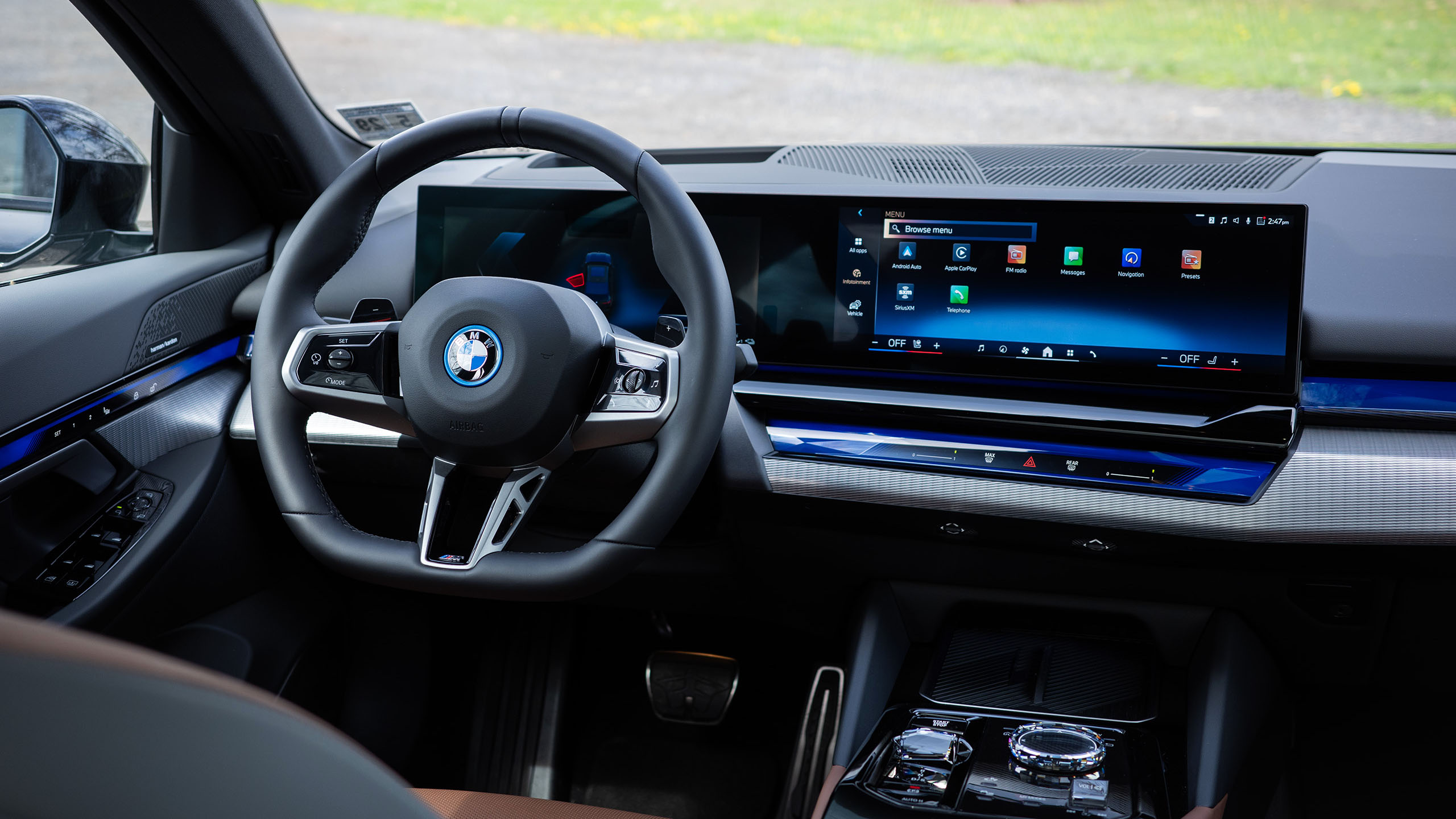
The luxury EV market has rapidly transformed from almost empty to chock-full. Here are the main protagonists It wasn’t that long ago that if you walked into a car dealership and asked for a luxury electric car , the salesman would have looked you up and down and replied “what?”. Opulent EVs simply weren’t on the agenda; it wasn’t until the 2012 arrival of the Tesla Model S that proved comfort and material richness could be added to the EV formula. Fast forward to 2026 and the luxury EV class is abundant with lavishly appointed cars from a plethora of established European manufacturers, including Audi , BMW , Porsche and Mercedes-Benz. The vast majority of the cars on this list maximise refinement and upmarket appeal, but many of the cars in the list aren’t tied to a particular bodystyle. Some bring super-baiting performance while others bring practicality and flexibility into the mix, thanks to their SUV silhouettes. The BMW i7 limousine sits atop our list thanks to its cabin richness, slick and potent powertrain and composed ride and handling. But the competition is fierce in the category and standards are on the rise. So, if you’re looking for a comfortable cruiser that’s refined, plush and dripping with luxury appeal, keep on ready as we reveal the best luxury EVs you can buy today.

Bentley Continental used buying guide: a £110k legend for £9000

Bentley Continental used buying guide: a £110k legend for £9000

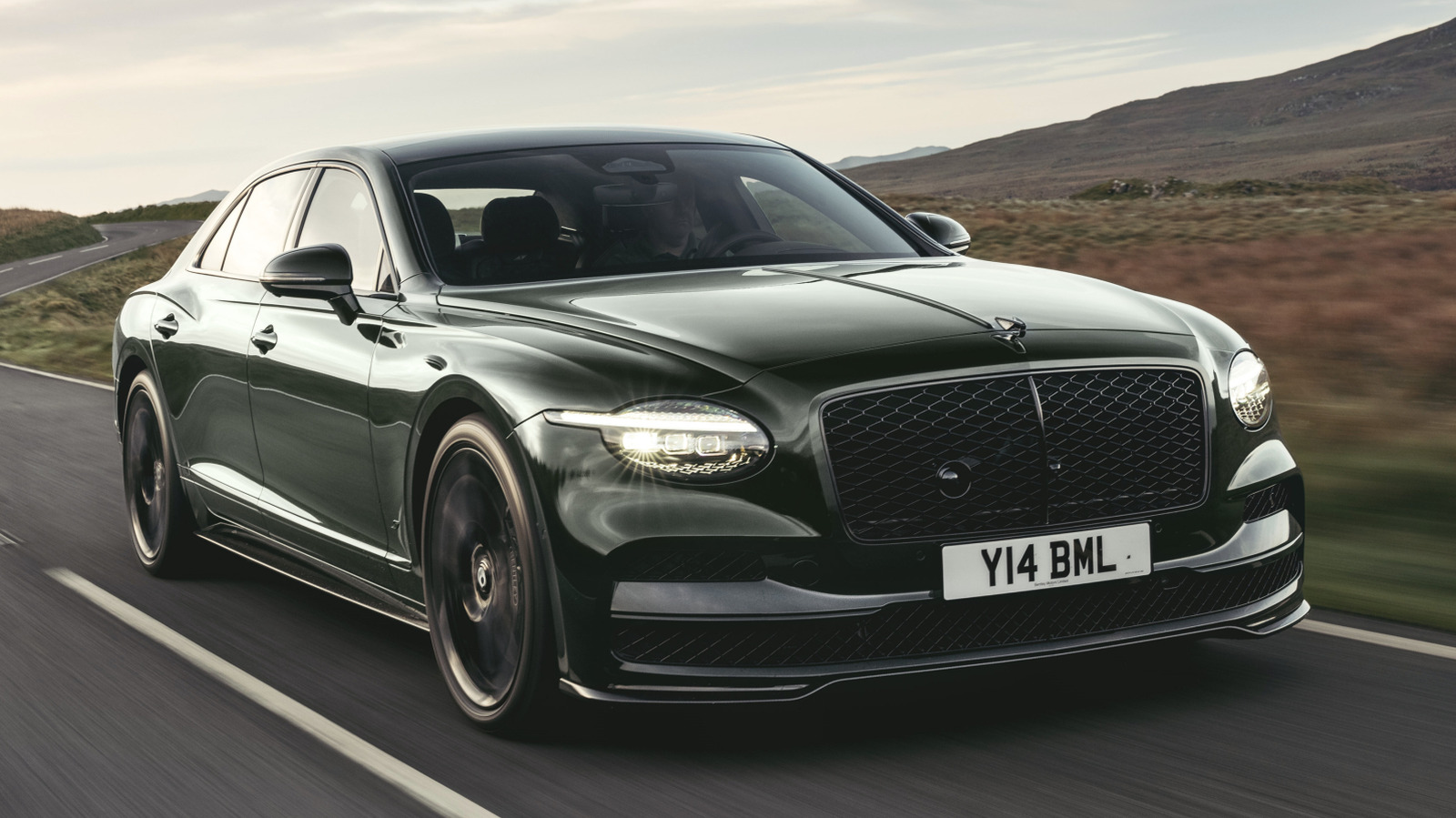
This landmark Bentley that launched the marque's VW era can now be had for a tenth of the original price The first product of a newly German-owned Bentley needed to be the best in years and it needed to be authentic to the brand. Thankfully, it was both. Having acquired Bentley in 1998, the Volkswagen Group set about reinventing the storied but staid British brand as a thoroughly modern and highly profitable luxury marque to rival Rolls-Royce and Maybach . Bentley now had easy access to up-to-date chassis and powertrain technology and could profit from huge economies of scale. Traditionalists may have baulked, but that was a big factor in making the Continental GT (2003-2011) the most affordable Bentley in a long time - its £110,000 price made possible by shared architecture with the Audi A8 and VW Phaeton. But was it a real Bentley? The figures from our 2003 test suggest so: 13.9mpg (for a real-world range of around 275 miles), a 2385kg kerb weight and a 6.0-litre twin-turbocharged W12 pumping out 552bhp and 479lb ft. Big, boisterous numbers to back the flying B, and stats that seem especially towering in light of the piffling £9000 you can pay for a Conti these days. Many thought the exterior brash at launch, but nowadays it appears right-sized and restrained. At 4.8m it's barely longer than an Audi A5 , and at under 2.0m wide it fits easily into the average parking spot. The interior is Bentley-esque, though, and holds up brilliantly today. The leather upholstery (from 10 cows) still looks impressive, although this is not a large cabin, especially for those in the back. Everything you touch feels appropriately expensive, and if you find one with more metal than wood, it won't feel too out of date, ignoring the ancient infotainment. Many will have been swapped for a more modern system, though. Just check it's well integrated. A used Conti holds up well as a daily driver too. It's powerful, the boot is large and the roadholding is excellent thanks to standard four-wheel drive and adjustable air suspension. It rides well, has surprisingly communicative steering and grips for longer than ought to be possible at this weight, although refinement isn't up to par against alternatives like a Mercedes CL or Range Rover . Otherwise, even the six-speed ZF automatic doesn't feel antiquated, being sufficiently geared to allow a 196mph top speed. In 2006, a convertible GTC joined the range and we felt it was the best and most authentic Conti we'd driven to date. Yes, the 2546kg kerb weight is frightful, but it is brilliantly insulated, keeping the cabin calm even at 175mph. In 2007, Bentley facelifted the range, lightly altering the styling and interior and improving the ride. A new Mulliner Driving Specification option included drilled alloy sport pedals, a knurled chrome gearlever and diamond-quilted leather for the seat facings and doors. The 600bhp, 553lb ft Speed was also introduced, which combined with suspension changes made the GT properly enjoyable so long as it wasn't pushed too far. For even more performance, the Supersports arrived in 2009 with 621bhp and 590lb ft and the capability of running on E85 biofuel. It shed 110kg (including the rear seats) and a genuinely exciting Bentley was created. Don't buy a cheap Conti without being prepared to spend what you paid for it all over again, but you'll still have one of the best bargains on the road, looking and feeling a million dollars. What to look for Water ingress: The most notorious and costly fault involves water ingress in the front left-side footwell, which houses large sections of the wiring loom and ECUs. Any evidence of damp, a musty smell, or flickering electronics could mean a massive, £15,000-plus wiring loom repair. Air suspension: The multi-mode air suspension is complex and prone to failure, usually due to leaking air struts or a failing compressor. Listen for knocking noises (worn bushes/drop links) and check if any corner of the car sits lower after being parked overnight. Replacements are very costly. Cooling system: The W12 is densely packed and generates huge heat. Common failures include the water pump, coolant leaks from brittle vacuum hoses and radiator corrosion. Due to the engine's packaging, accessing these parts is hugely labour-intensive, exponentially inflating the repair bill. Battery: The GT uses two batteries and is notorious for draining them if left standing. Flat batteries can cause electrical systems and modules to throw error codes. Ensure both batteries are healthy and budget for a trickle charger if the car is not a daily driver. Brake wear: The brake discs are immense 405mm steel units as standard. Budget £1000 for replacements all round, or £10,000 for the carbon-ceramic ones. Electrics: Check that all complex electronics - the electric seat motors, the infotainment (prone to freezing) and the GTC soft-top mechanism (where applicable) - are fully functional. Replacing a failed convertible roof hydraulic system or motor will result in a five-figure bill. Also worth knowing There's a third Continental in the family: the Flying Spur. It's pretty much a GT stretched by 300mm with added doors and a traditional saloon-shaped boot. At the time, we regarded the muted W12 as a perfect fit for a limo and the acres of rear leg room appealed. But because of the slightly gawky styling, they're now the cheapest of the Contis. An owner's view Ben Richards: "I've owned my '06 GT for four years and have clocked up 25,000 miles, pushing it to 75,000. I bought it knowing the running costs would be astronomical and they are. My yearly maintenance, even at an independent specialist, is about £4000. But the feeling of the W12 pulling on the motorway is intoxicating. Nothing else feels so solid, so rapid, and so effortlessly luxurious. I'd do it again." How much to spend £9000-£14,999 Early, generally high-mileage cars or those with a poor service history. The biggest risk of major failures but also the biggest depreciation already absorbed. £15,000-£24,999 This could be the sweet spot. Lots of low-mileage and well-cared-for cars, including facelifted ones. Look for desirable options like the Mulliner Driving Specification. £25,000-£34,999 Late pre-facelifted cars and plenty of Speeds. Spending more than the lower end of this budget could net you the improved second-generation GT instead. £35,000-£60,000 Mostly very clean Speeds and Supersports, but it's doubtful that these will ever turn into proper collectors cars because of the numbers they were built in.

Kia names new European vans boss

Kia names new European vans boss

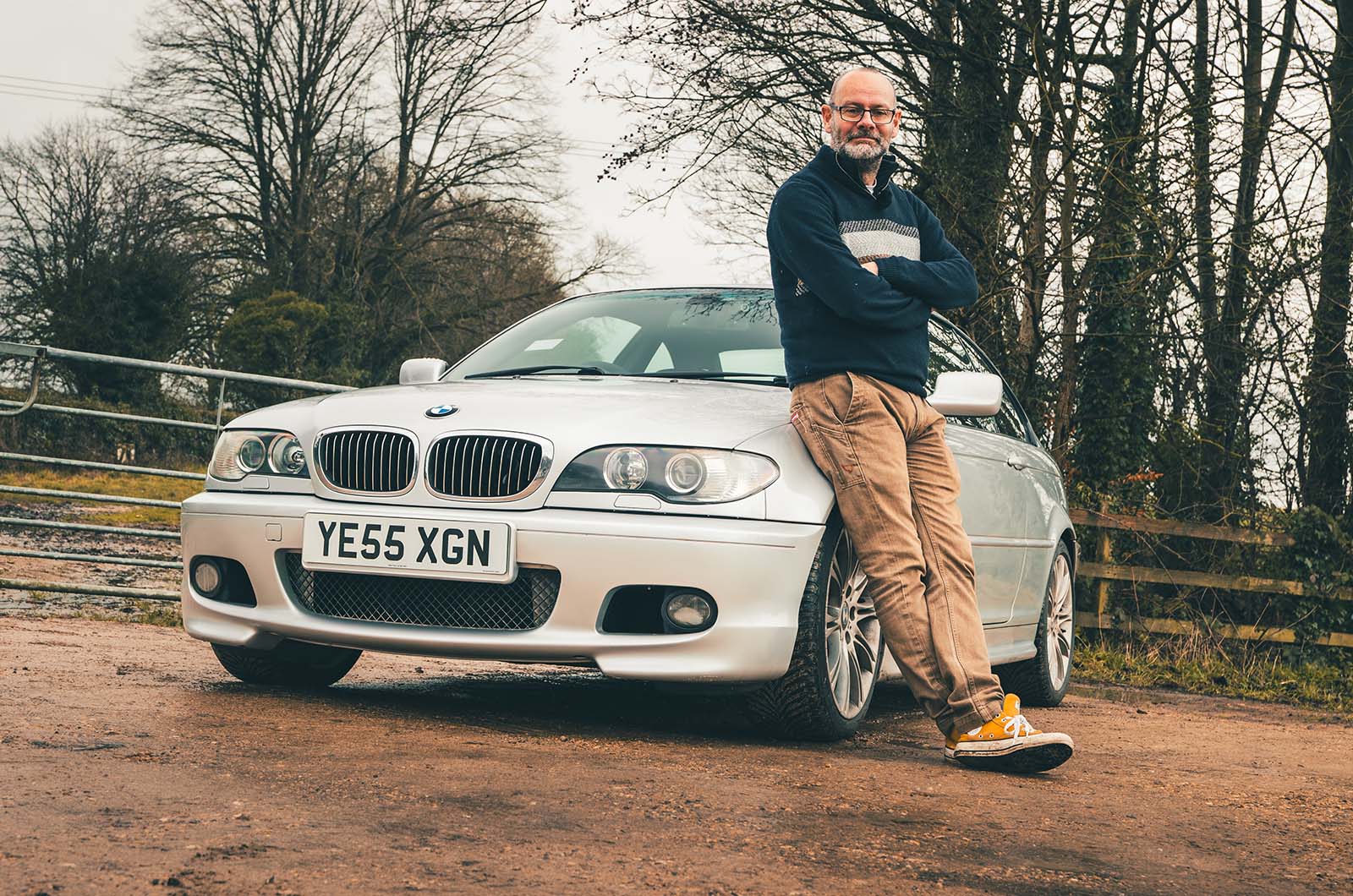
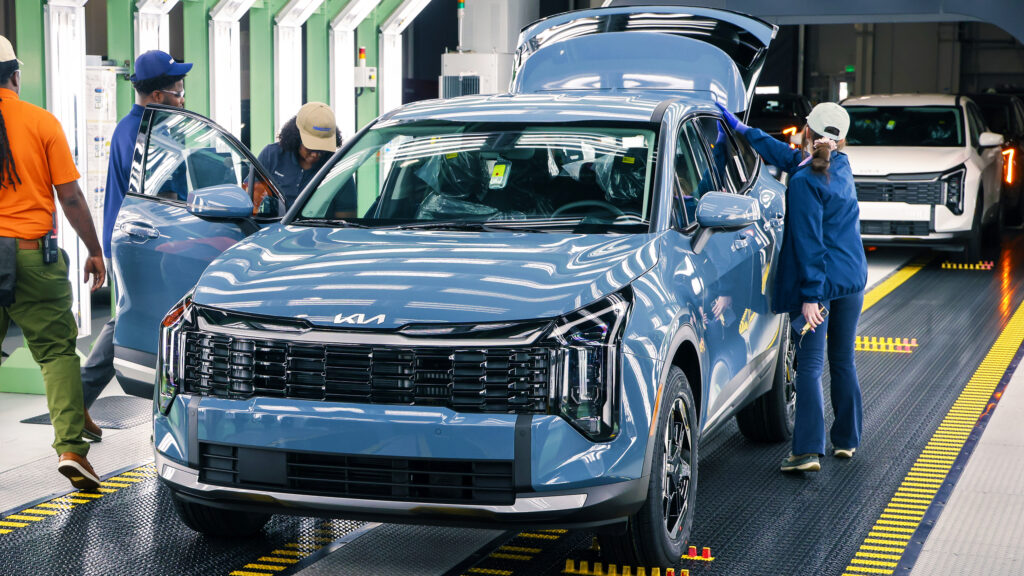
Movers and shakers: Erhan Eren will lead Korean firm's European vans and commercial vehicle arm Welcome to Movers and Shakers, an Autocar Business feature covering the latest job moves from across the automotive industry. This page is updated regularly with all the biggest transfers, promotions and departures in the sector, covering everything you need to know. Name: Erhan Eren Company: Kia Role: European PBV director Kia has appointed Erhan Eren to lead its vans and commercial vehicle strategy in Europe. Eren takes the role of PBV (Platform Beyond Vehicle) director, replacing Pierre-Martin Bos, who leaves Kia to take up the position of CEO of Zero Motorcycles. Eren joins Kia from Wrightbus, where he served as managing director for Europe. He arrives with 18 years of experience across trucks, buses and vans. Other leadership roles included time at MAN and Iveco. Based in Frankfurt, his core task will be to continue Kia’s commercial vehicle expansion: following last year’s PV5 will be the PV7 in 2027 and the PV9 in 2029. The Korean brand aims to achieve 250,000 global PBV sales by 2030. Eren said: “My priority is to ensure customers benefit from a seamless, reliable ecosystem, from strong product fundamentals to service, uptime support, converter integration and parts availability. "This role brings together everything I value: practical innovation, purposeful transformation and creating real impact for customers.” Name: Lina Ribeiro Company: Dacia Role: UK brand director Dacia has named Renault Group UK’s head of sales operations Lina Ribeiro as its new UK brand director. She is tasked with overseeing the brand following one of its biggest years to date, topped by the arrival of the new Bigster SUV. Ribeiro succeeds Luke Broad who has been promoted to managing director of Retail Renault Group UK. She takes on the role following more than 20 years in the automotive industry. This includes multiple strategic roles in the UK and abroad, which has seen her lead teams and launch initiatives in sales, operations, network development, and customer experience. In her current role at Renault Group UK, she has led teams through strong periods of growth thanks to her straightforward, consistent and quietly inventive leadership style. Ribeiro said: “It’s a real privilege to step into this role and continue shaping the next chapter of Dacia’s success in the UK. “The brand keeps going from strength to strength, always standing for something bigger when it comes to mobility. I’m excited to carry that forward, challenging conventions and delivering meaningful value to our customers.” Katrin Adt, Dacia CEO, said of Ribeiro’s appointment: “I’m pleased to welcome Lina into her new role. As Dacia continues to grow, her leadership will strengthen our momentum in a market that values affordability and durability in vehicles built for the real-world.” Name: Soohang Chang Company: Kia Europe Role: President and CEO Soohang Chang has been named president and CEO of Kia Europe. He moves from being head of the Korean car maker’s Middle East and Africa region. He will officially begin the role on 1 January, taking over from Marc Hedrich, who moves back to his home country to become president of Kia France, a role he held between 2021 and 2023, replacing Tae Kun Yang. In his new role, Chang is tasked with accelerating Kia’s electrification, which will begin with launching the EV2 – the Korean firm’s new entry-level model, which will be unveiled at the Brussels motor show on 9 January. “His proven ability to deliver results in diverse markets positions him to navigate the evolving European automotive landscape and drive Kia’s long-term growth in one of the world’s most dynamic regions,” Kia said of Chang. Of Hedrich, the company said: “His leadership will guide Kia France through its next phase of growth and strengthen the brand’s position in one of Europe’s most competitive markets. His deep understanding of local consumer trends and regulatory dynamics, combined with his prior achievements, make this a strategic move for Kia.” Name: Alexander Karajlovic Company: BMW M Role: Vice-president for development BMW XM project manager Alexander Karajlovic (pictured above) has been appointed as the new vice-president of development for BMW's M division, following the retirement of Dirk Häcker. Karajlovic was responsible for the M versions of BMW's SUVs as well as the XM – the go-faster division's first bespoke product since 1978 – between late 2017 and late 2020. He later managed BMW M's product line-up and was most recently the vice-president of driving experience integration for the BMW Group. Karajlovic has big shoes to fill in replacing Häcker, who can be credited with much of the M division's success since he took charge of its R&D in 2015. Since then, the brand has set several sales records and produced benchmark-setting driver's cars, including the previous-generation BMW M5 CS and BMW M2 CS . Häcker also played a significant role in developing the first battery-electric M-car , the next-generation M3. Alongside his corporate responsibilities, Häcker was an instructor for the BMW M Driving Experience. BMW M CEO Frank van Meel said Häcker's retirement is "well earned" and "his name is inextricably linked with an unprecedented product offensive, superior product quality and yearly sales records at BMW M". Van Meel added that Karajlovic brings a "proven track record of chassis development know-how".

Hot Vauxhall Corsa GSE breaks cover with aggressive stance

Hot Vauxhall Corsa GSE breaks cover with aggressive stance

New hot hatch expected to use same 277bhp set-up as larger Mokka GSE – and get a host of sporty upgrades The Vauxhall Corsa GSE has been seen testing ahead of its unveiling later this year, all but completely revealing the styling of the new hot hatch . Although the prototype’s lurid GSE-themed livery obscures some details, it's evidently a much more aggressive proposition than the standard Corsa Electric, with a prominent front chin spoiler and chunky wheel-arch extensions. Its aggressive stance hints at its dynamic intent, with its three-spoke wheels jutting farther out of the extended arches than on the regular Corsa and cambered in touring car-like fashion. Through the windows it appears to have the same single-piece bucket seats as the existing Mokka GSE crossover, to which it will be closely related. Vauxhall has yet to confirm technical specifications for the Corsa GSE but, given it's based on the same underpinnings as the Mokka GSE, it's likely to reprise that car’s combination of a front-mounted 277bhp motor and a Torsen limited-slip differential. The Mokka GSE also features a reworked front suspension set-up with extra knuckles to free up space for taller and wider wheels; a quicker steering rack; new anti-roll bars front and rear; and tauter bushings at its back end. Given that it's significantly smaller than the Mokka GSE, the Corsa GSE is likely to improve on that car’s weight of 1597kg. That may also provide a small bump in range, up from 201 miles between charges. The Corsa GSE is the latest in a long line of Vauxhall hot hatches, starting with the Chevette HSR, but the first since the Corsa VXR was retired in 2019. More details will be confirmed when the EV is revealed in full later this year, but pricing is expected to start from around £35,000. The Corsa range currently tops out with the Electric 156PS Ultimate at £33,720. Stellantis brands have already launched several hot hatches with this 277bhp powertrain, including the Peugeot 208 GTi (due later this year), Abarth 600e and Alfa Romeo Junior Elettrica Veloce .

Hot Vauxhall Corsa GSE breaks cover with more aggressive look

Hot Vauxhall Corsa GSE breaks cover with more aggressive look

New hot hatch expected to use same 277bhp set-up as larger Mokka GSE – and get a host of sporty upgrades The Vauxhall Corsa GSE has been seen testing ahead of its unveiling later this year, all but completely revealing the styling of the new hot hatch . Although the prototype’s lurid GSE-themed livery obscures some details, it's evidently a much more aggressive proposition than the standard Corsa Electric, with a prominent front chin spoiler and chunky wheel-arch extensions. Its aggressive stance hints at its dynamic intent, with its three-spoke wheels jutting farther out of the extended arches than on the regular Corsa and cambered in touring car-like fashion. Through the windows it appears to have the same single-piece bucket seats as the existing Mokka GSE crossover, to which it will be closely related. Vauxhall has yet to confirm technical specifications for the Corsa GSE but, given it's based on the same underpinnings as the Mokka GSE, it's likely to reprise that car’s combination of a front-mounted 277bhp motor and a Torsen limited-slip differential. The Mokka GSE also features a reworked front suspension set-up with extra knuckles to free up space for taller and wider wheels; a quicker steering rack; new anti-roll bars front and rear; and tauter bushings at its back end. Given that it's significantly smaller than the Mokka GSE, the Corsa GSE is likely to improve on that car’s weight of 1597kg. That may also provide a small bump in range, up from 201 miles between charges. The Corsa GSE is the latest in a long line of Vauxhall hot hatches, starting with the Chevette HSR, but the first since the Corsa VXR was retired in 2019. More details will be confirmed when the EV is revealed in full later this year, but pricing is expected to start from around £35,000. The Corsa range currently tops out with the Electric 156PS Ultimate at £33,720. Stellantis brands have already launched several hot hatches with this 277bhp powertrain, including the Peugeot 208 GTi (due later this year), Abarth 600e and Alfa Romeo Junior Elettrica Veloce .