


 The Manila Times
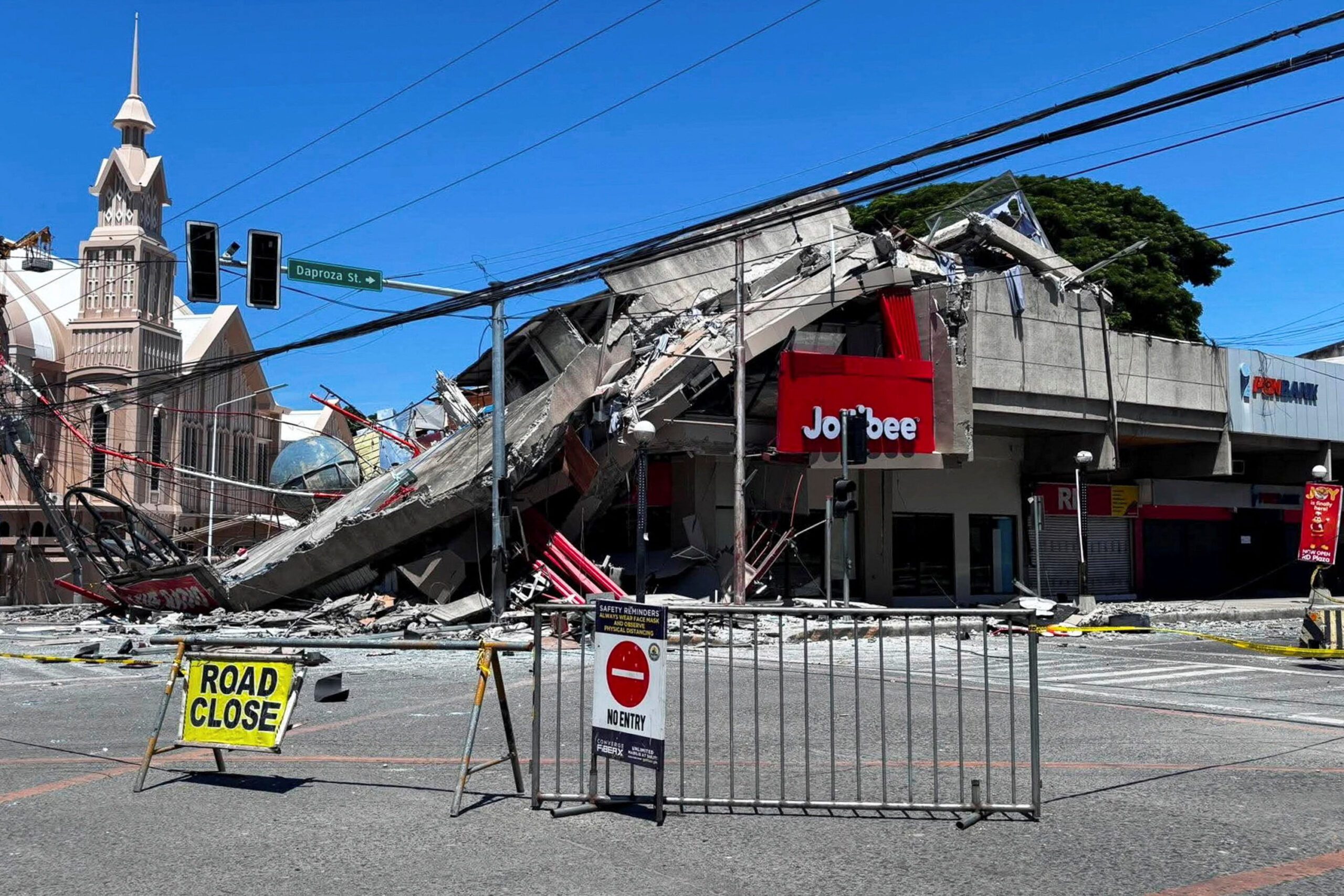
MANILA, Philippines — The Philippine Institute of Volcanology and Seismology (Phivolcs) advised people in quake-hit areas on Monday to prepare for aftershocks and protect themselves by performing the drop-cover-hold procedure. Exercise caution around structures that appear weakened or show signs of damage from the earthquake, as these may sustain further damage by succeeding ones, Phivolcs chief Teresito Bacolcol said. “Damaged buildings should not be reoccupied until certified safe by structural engineers,” he said. Phivolcs said landslides, rock falls and other types of mass movement triggered by the temblor might have occurred in mountainous areas. Liquefaction, which is manifested by subsidence, ground fissures, sand boils, and/or lateral spreads, may have affected low-lying, water-saturate, and sandy areas near bodies of water. “Active river channels and coastal areas may be vulnerable to inundation of seawater due to the combination of liquefaction-induced subsidence and changes in sea level,” Bacolcol said. The Phivolcs director also urged the public to refrain from sharing messages from unconfirmed or unreliable sources and rely only on information issued by authorized agencies, including his. “During [earthquakes], unverified information, rumors and fake news may cause unnecessary panic,” Bacolcol warned.
Go to News Site
 Inquirer
 SunStar Philippines

 Rappler


