


 Ruptly
Balancing opportunity with uncertainty - South African farmers eye increased demand as Iran war signals shift in global supply chains
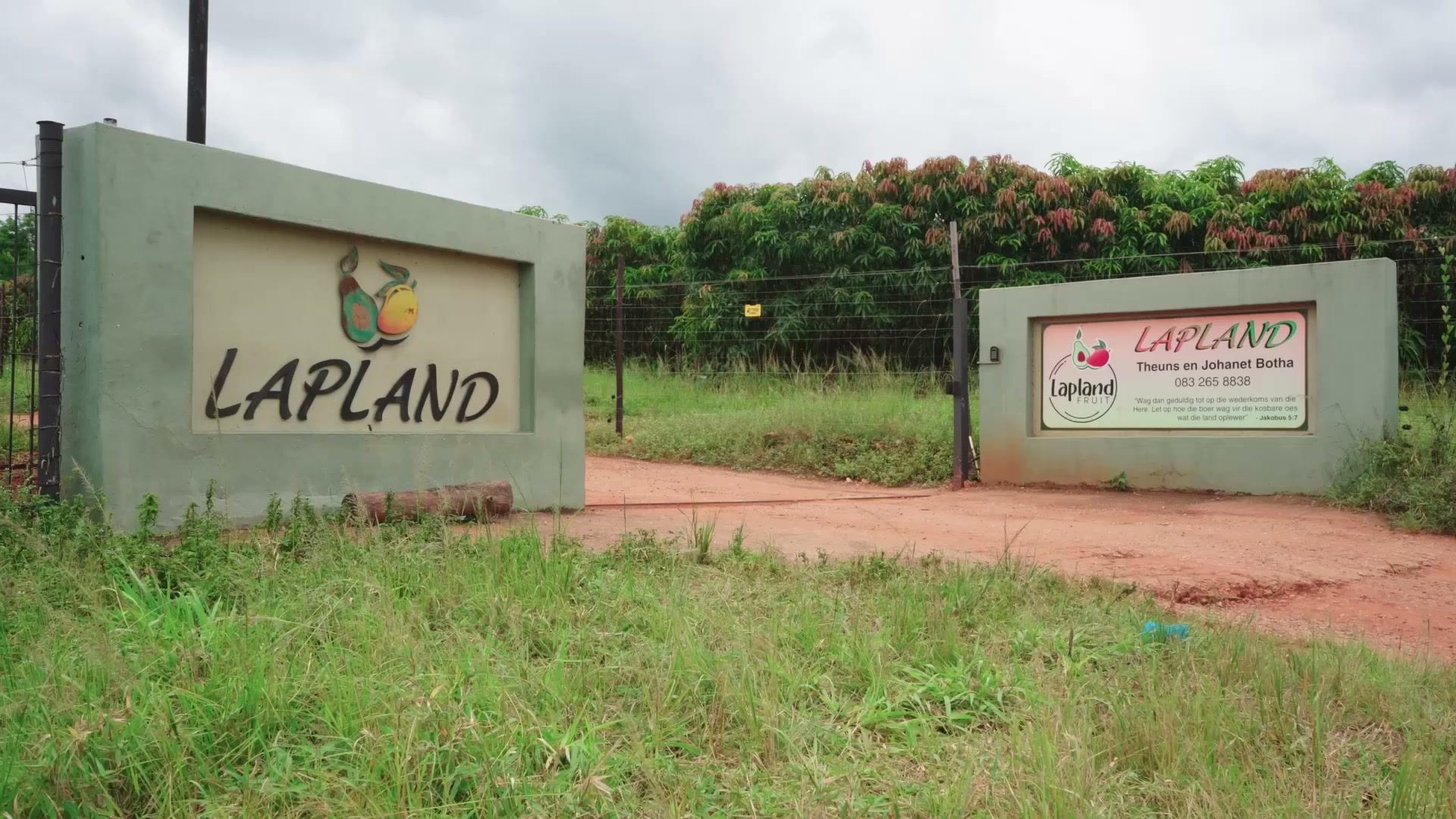
"Farmers and agricultural suppliers in South Africa's Limpopo are seeing a rise in international inquiries as the ongoing Iran war signals a shift in global supply chains, with traditional trade routes in the Middle East disrupted and regional food security under pressure. Lapland Nursery's Marketing and Financial Manager, Theunet van Zyl, shared that growing demand for fresh produce is pushing local farmers to look beyond domestic markets, despite a volatile global landscape. "We are definitely seeing an increase in exporting inquiries," she said, pointing to growing demand from Namibia, Mauritius, Saudi Arabia and beyond. "We've got a lot of people emailing us, wanting massive quantities of mangoes, but the [...] thing we need to overcome is getting the trees from here to there, which is definitely possible," van Zyl said. However, the war has made logistics a key challenge. With shipping lanes like the Strait of Hormuz facing near-total halts, air freight has become a necessity for live plants. "It needs to be one flight going from here to that country, [...] because at each destination, there needs to be a waiting period and inspections - and it's a live thing. It can't take three weeks to get to the destination," she explained. For producers such as Benica Farm, the shift toward exports has also meant diversifying into value-added products while exploring new markets. "There are opportunities in nearby countries and SADC countries because we do agro-processing. So, countries like Asia, we are looking at establishing relationships where we're going to export our product because we do condiments on the farms," said Bennedicter Mhlongo, the farm's founder. While reduced tariffs in some markets are opening doors, the cost of exporting remains a key concern for farmers. "Any export demand comes with a financial impact," says Sibusiso Mgwabe, the financial clerk at Benica Farm. "If it comes in a good form, such as the reduced tariffs, it means there will be more business for us as the agricultural people who produce fresh produce." Producers say meeting international standards and scaling up production will be critical to turning interest into sustained exports. "There is a huge difference when you compare these markets, the local one and the international one […] If you produce for the international market, your product must meet certain standards, it must be of high quality, and you need to be able to produce on a large scale," Mgwabe concluded. The reported surge in international inquiries for South African produce occurs against a backdrop escalating hostilities in the Middle East. As the Strait of Hormuz remains a flashpoint in the ongoing conflict, the traditional trade routes of the Middle East have been disrupted, forcing Gulf nations and regional neighbours to look south for food security. However, while demand is high, the conflict has reportedly simultaneously triggered a 30 percent spike in global fertiliser costs and pushed Brent crude costs over $100 per barrel. For South African farmers, the challenge is no longer just finding buyers, but high global standards with surging production costs."
Go to News Site