


 GB News
'Expect hostility' - Anti-tourist protesters threaten Britons with ANOTHER summer of fury in chilling new warning to GB News
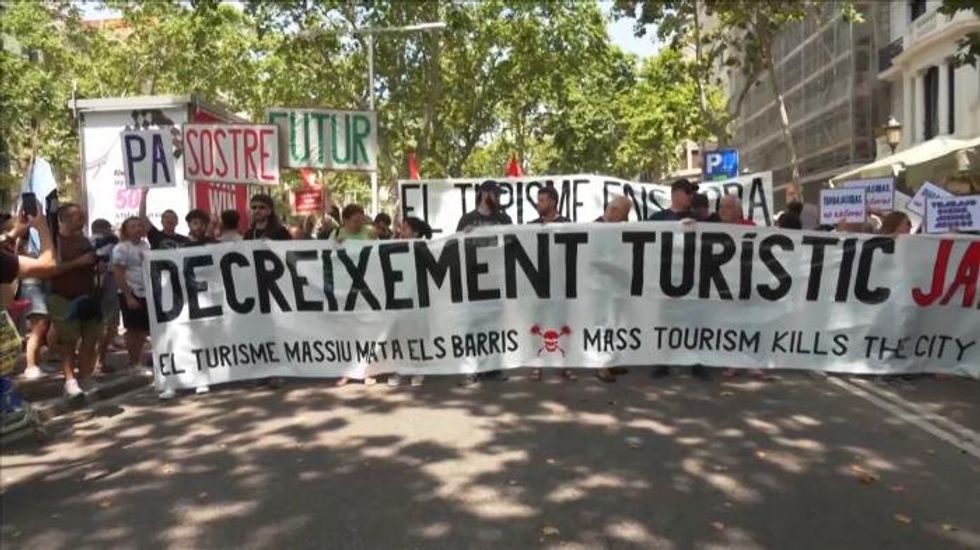
Britons travelling to Spain this summer have been told to expect a “hostile atmosphere” as anti-tourism protests are set to take place across the country’s most popular holiday destinations. Activists in Mallorca say frustration among residents has reached breaking point, with mass demonstrations planned amid growing anger over overcrowding, rising costs and pressure on local infrastructure. The campaign group Menys Turisme, Mes Vida (Less Tourism, More Life), which has helped organise some of the island’s largest protests, told GB News that tensions are already rising ahead of the summer season. “Tourists can expect a hostile atmosphere,” the group said, warning that local communities are becoming increasingly “combative” as they feel ignored by authorities. TRENDING Stories Videos Your Say The movement first emerged in 2023 following a tourism summit in Palma, where activists staged a counter-event criticising the industry’s impact. A demonstration at the time drew around 3,000 people - but just a year later, that number had surged to more than 50,000. The backlash forms part of a wider wave of anti-tourism sentiment seen across Spain in recent years, particularly in hotspots such as Barcelona, Tenerife, the Balearic Islands and parts of mainland coastal resorts. In Barcelona, protesters have previously targeted tourists with water pistols and staged marches through crowded city centres, while in the Canary Islands tens of thousands have rallied against what they describe as an “unsustainable” tourism model. At the heart of the anger is the impact of overtourism on everyday life. Campaigners argue that mass tourism is driving up housing costs, overwhelming public services and reshaping communities to the point where locals are being pushed out. “Tourism is an economic model that destroys everything that existed before it,” the Mallorca-based group told The People's Channel. They claim the industry erodes local culture, reduces access to housing and jobs, and strips areas of their identity. SPAIN - READ THE LATEST: Thousands of Britons evacuated from Canary Islands as ferocious storms pummel islands British tourist dies while on holiday in Tenerife after 'freak wave' knocked her into rocks British tourist hotspot hit with SNOW as Storm Therese batters Spain “From 2017 to now, more than seven million additional tourists arrive each year,” the group said. “We see it in our daily lives - collapsed roads, overwhelmed services and rising costs.” Despite the growing backlash, Spain remains one of the world’s most tourism-dependent economies, with millions of jobs linked directly or indirectly to the sector. Critics of the protest movement argue that any significant reduction in tourism could have serious economic consequences, particularly in regions heavily reliant on seasonal visitors. However, the activists rejected the idea that change would trigger a collapse. “We are not calling for the end of tourism, but we do believe it needs to be reduced," the group said. They argue that tourism jobs are often insecure, seasonal and poorly paid, and instead advocate for a transition towards a more diversified and sustainable economic model. The group also pushed back on claims that British tourists are uniquely to blame for the issue. “It’s not about nationality - it’s about behaviour,” they said, adding that higher-spending “luxury tourists” can consume significantly more resources than budget travellers. The campaigners issued a clear message to Britons planning summer holidays in Spain. “Every time you choose international chains over local businesses, or short-term rentals over regulated accommodation, it has consequences for residents,” they said. “We encourage people to choose other destinations and to respect the places they visit.” With protests expected to continue into the summer months, the warning signals a potentially uneasy season ahead for British tourists heading to Spain’s most popular resorts. Our Standards: The GB News Editorial Charter
Go to News Site