


 Axios
Axios
Exclusive: Lockheed Martin's Martell says warfare requires human-machine teamwork
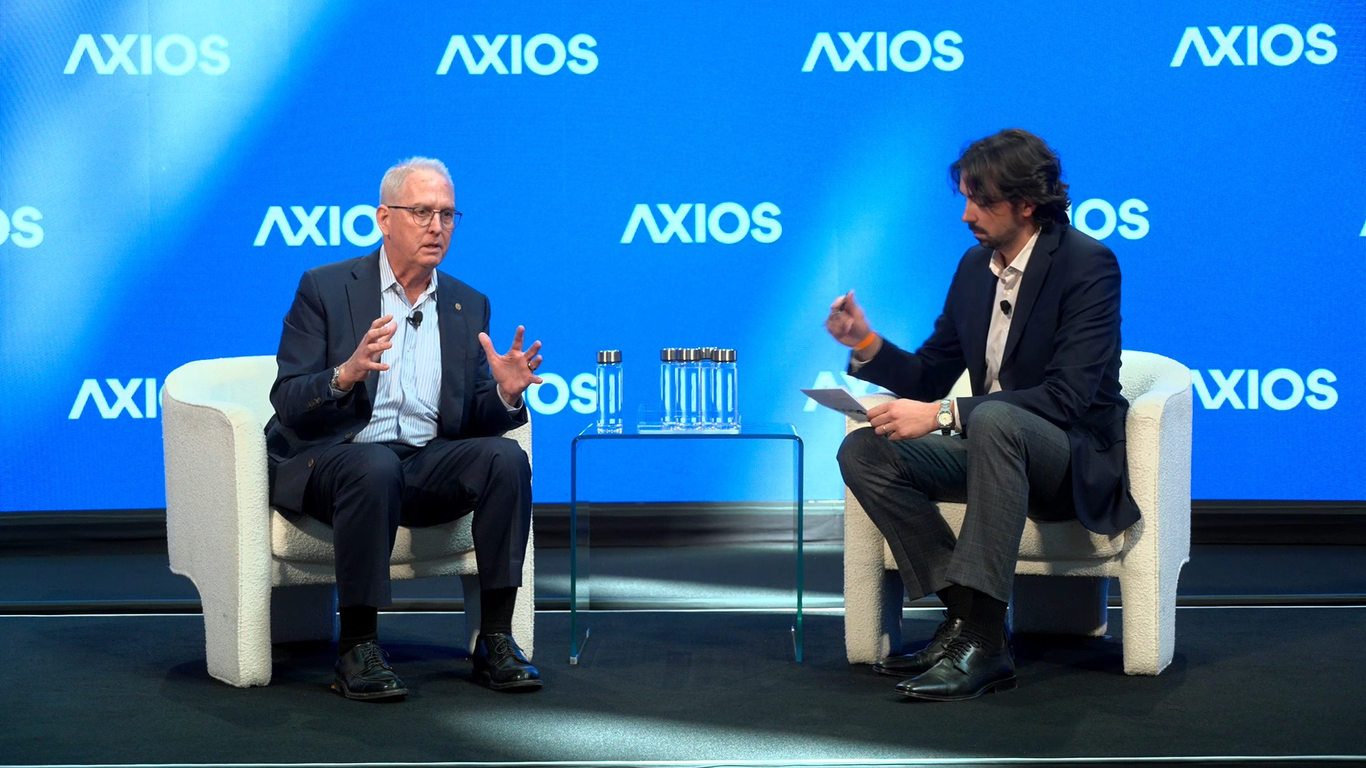
The future of warfare involves humans and machines working together, Lockheed Martin's chief technology officer Craig Martell predicted on Wednesday at Axios' AI+DC Summit. Why it matters: As the military expands autonomous weapon use, debates are intensifying over when or whether to trust these systems and who is accountable for mistakes or misfires. What they're saying: "I want us to really focus on human-machine teaming, because ... I don't believe statistics at scale is going to get us to cognitive machines," Martell said to Axios' Colin Demarest. He said it's a human's job to train with the AI system they plan to deploy and to figure out what errors and limitations it has. "Then you can make the rational decision if you want to take responsibility, to deploy that device, to deploy that platform." "I choose to use it," he said. "And if it gets it wrong, my fault." Case in point: Martell envisions a dream team of a pilot flying with a swarm of autonomous aircraft that can help protect the pilot. Catch up quick: Martell previously served as the Defense Department's first chief digital and AI officer and understands how militaries are implementing AI into their classified systems. Zoom in: The Army just received its first autonomous Black Hawk helicopter, which can complete missions independently or with remote supervision from a secure offsite location. The chopper is undergoing "rigorous" testing, and was developed with a Lockheed Martin subsidiary. The delivery reflects a broader push toward autonomous systems as drone warfare and unmanned vehicles become increasingly central to modern combat. Go deeper: Anthropic ban may threaten the military's AI advantage over China
Go to News Site