


 Ruptly
'State of energy emergency' - Fuel crisis threatens to bring Philippines to standstill as govt warns of travel disruption
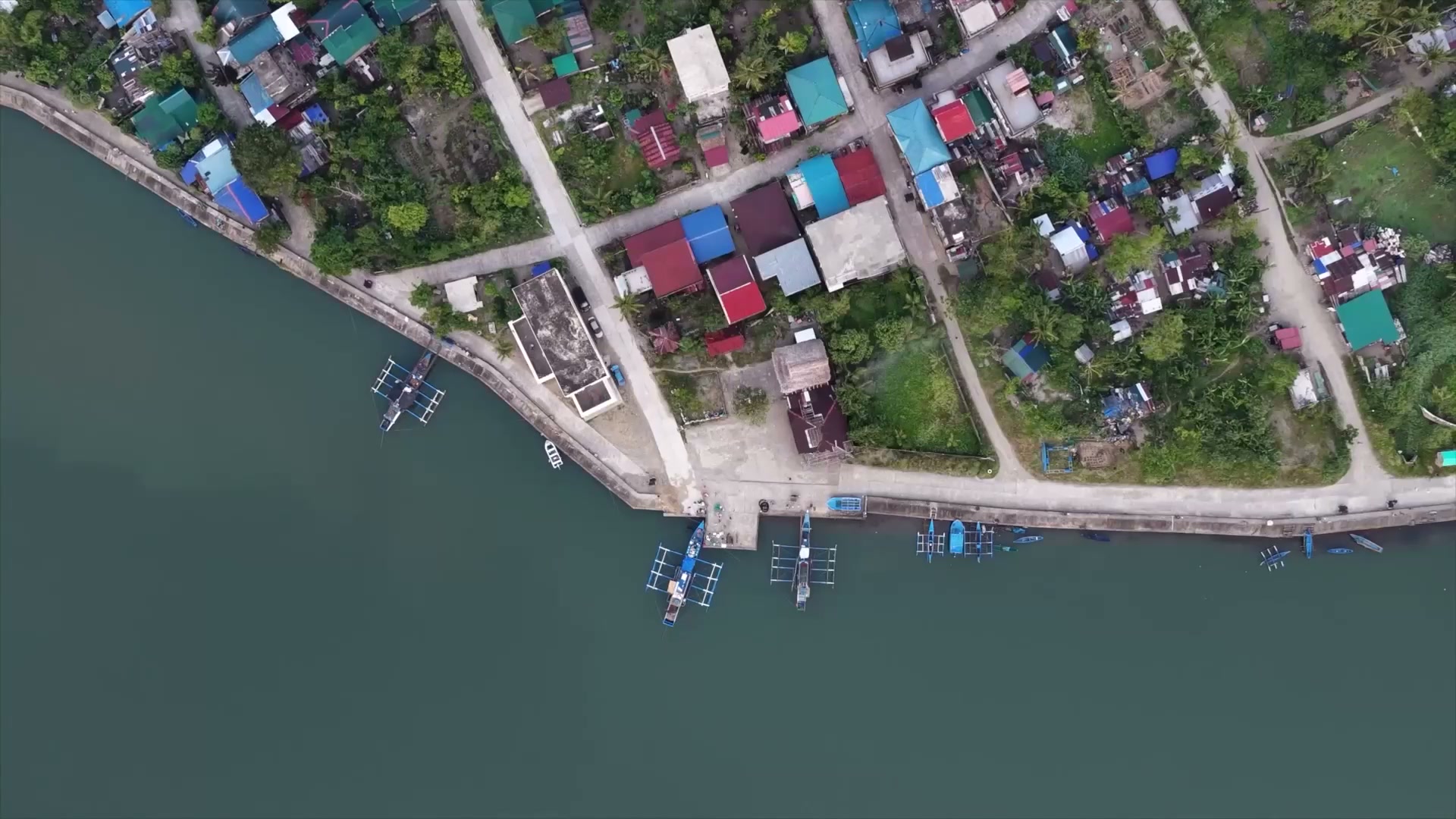
"The Philippines is facing a deepening fuel crisis that threatens to ground flights and paralyse transport networks across the archipelago. President Ferdinand R. Marcos Jr. declared a State of National Energy Emergency late Tuesday, responding to a critical shortage of jet fuel caused by escalating tensions in the Middle East. Footage shows limited flights taking off in Pasay City on Wednesday, while boats remain stranded at a port in Cagayan. "If the oil price goes up, prices of commodities go up, and the common Filipino will suffer. Now we’re all affected by high transportation costs. It’s a struggling time now," expressed a resident. The crisis has seen operational costs spike for local taxi and minibus drivers, who have called for more government help. "It greatly affects our income because taxi fares didn’t increase, gasoline is very high, and trips are fewer. It’s really hard times," said a driver. "We’re all affected, especially us drivers. Instead of buying rice, we end up buying oil," added a taxi driver. Cebu Pacific, the country’s largest budget airline, has already suspended several international routes and reduced flight frequencies, citing global jet fuel prices that have more than doubled over the past year. The shortage is directly linked to the ongoing US–Israeli operations against Iran, which began on February 28 following the killing of Iranian Supreme Leader Ali Khamenei. The conflict has disrupted global shipping routes, including the vital Strait of Hormuz, and pushed oil prices above $100 per barrel, adding pressure to local economies and households alike. The closure of the Strait of Hormuz has choked the Philippines primary source of crude oil and natural gas, with an estimated 90 percent of its oil coming from the Persian Gulf. According to reports, the country has around 45 days of fuel reserves remaining."
Go to News Site