


 The Advocate
Republican Ohio House passes drag ban targeting transgender Ohioans
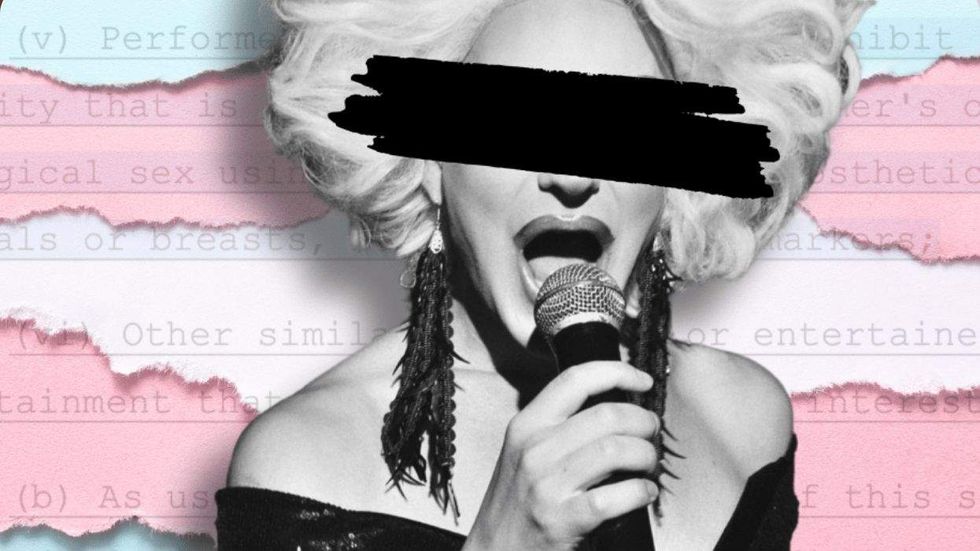
Members of the Ohio House voted Wednesday to advance the state’s ban on public drag and gender performance. Ohio House Bill (HB) 249 – which received three committee hearings rife with anti-LGBTQ+ and anti-transgender disinformation – will now head to the Senate. The bill passed the House by a vote of 63-30, largely along party lines: Rep. Jamie Callender (R-Concord) broke ranks to vote against the bill. If passed, “The Enact the Indecent Exposure Modernization Act” would ban drag and gender performances outside of “adult cabaret” venues or in any public venue where a minor may be present. Public performances that meet the definition of obscenity are already banned under Ohio law. Anti-LGBTQ+ language in the bill would disproportionately affect LGBTQ+ performers, heavily restricting “performers or entertainers who exhibit a gender identity that is different from the performer’s or entertainer’s biological sex using clothing, makeup, prosthetic or imitation genitals or breasts, or other physical markers …” Additionally, a separate section of the bill that substitutes the phrase “private part” for “private area” would also help criminalize trans and gender non-conforming people who use gendered public facilities during daily life. Targeting transgender Ohioans HB 249’s primary sponsor – conservative Christian Rep. Josh Williams (R-Oregon) – said the bill would stop transgender Ohioans from using gendered public facilities like locker rooms to change their clothing. Williams repeatedly referenced an anti-transgender incident that occurred at a YMCA in Xenia, Ohio, in which a transgender person was sued after she attempted to change her clothing in a gendered communal locker room. The incident was not part of a drag or gender performance. Ultimately, a judge found the transgender person not guilty of public indecency. However, both Williams and David Mahan – policy executive director for Columbus-based anti-LGBTQ+ hate group the Center for Christian Virtue (CCV) – said the bill would prevent judges from ruling that way in future cases. The bill’s co-sponsor, Rep. Angie King (R-Celina), discussed the lawsuit at length ahead of the full House vote. Brown Piccolantonio told lawmakers the removal of the language would “[clarify] that the bill is not meant to target anyone with an appearance that does not match their sex assigned at birth by simply removing the language about dressing in a manner inconsistent with ‘biological sex.’” In 2023, lawmakers in Arkansas gutted a similar drag ban bill , heavily amending it to exclude language targeting performers who exhibit gender identities different from the sex assigned to them at birth “using clothing, makeup, or other accessories that are traditionally worn by members of and are meant to exaggerate the gender identity of the performer’s opposite sex.” Williams told fellow lawmakers the portion of the legislation that targets LGBTQ+ Ohioans is an important part of the bill’s purpose. “I’m in opposition to the amendment,” Williams said. “This amendment subverts the intentions of the bill’s sponsors. It undermines the specific obscene and child endangerment acts we are trying to legislate out.” The House Judiciary Committee passed the bill, delivering it to the Ohio House for a full vote the same afternoon. Later – before the full House – Williams seemingly called transgender people who use communal public facilities to change their clothing “perverts” while discussing the Xenia lawsuit a second time. “As long as I’m alive, I’m going to prevent perverts from exposing kids to obscene material,” Williams said. LGBTQ+ leaders condemn the bill Executive director and CEO of Equality Ohio and Equality Ohio Education Fund Dwayne Steward released a written statement condemning the bill. “This bill takes regular, everyday activities and turns them into potential crimes, based on whether somebody else might be offended by what other people are wearing,” Steward said via a written statement. “This bill gives government the unacceptable power to police what people wear.” “Drag is just the beginning,” Steward added. “Attacks against drag performers and transgender people, like so many bills that restrict LGBTQ+ visibility, have multiple consequences that endanger fundamental freedoms and safety.” Rep. Dontavious L. Jarrells (D-Columbus) rose in stark opposition to the bill, noting his own experience navigating anti-Black legislation. “This bill is not about children,” Jarrells said. “This is about the dehumanization of people who do not look like me.” “This bill literally singles out people who are trans, those who are gender non-conforming, and basically calls into question, ‘Should you exist in the public eye?’ That is the reality of this bill,” he added. “When you talk about what this bill really is, it is an attack on human lives.” This story appears originally at www.thebuckeyeflame.com . The Buckeye Flame is an online platform dedicated to amplifying the voices of LGBTQ+ Ohioans to support community and civic empowerment through the creation of engaging content that chronicles their triumphs, struggles, and lived experiences.
Go to News Site