


 Business Recorder
Autos: Empty tanks
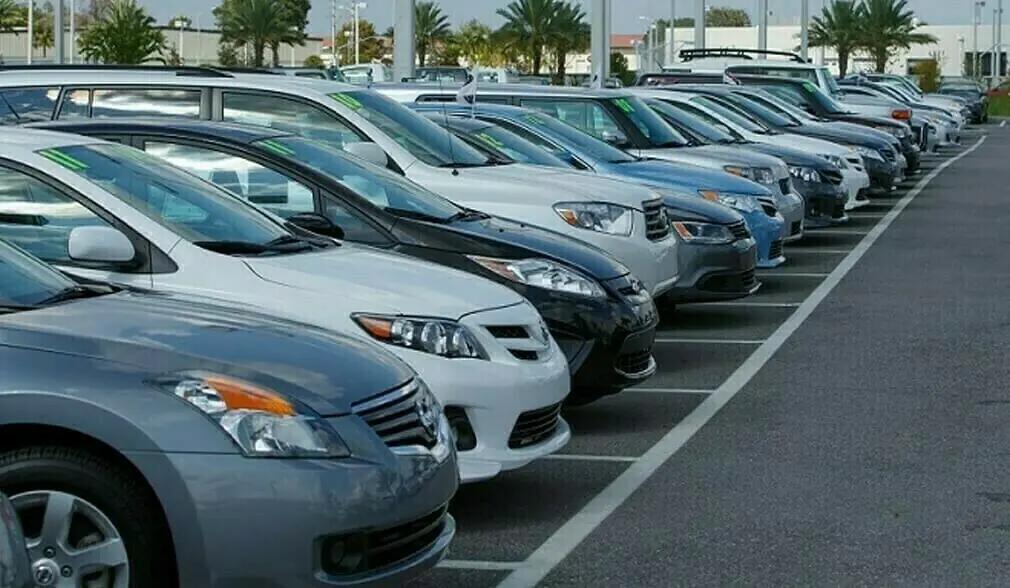
The passenger car market has experienced a recent surge in demand with a 43 percent increase in volumetric sales during the eight-month period into FY26. This has been led by softening interest rates and a burgeoning supply of new models and offerings in the market, demand leaning towards SUVs and higher end luxury vehicles. While the passenger market is reorganizing its structure around lifestyle, the commercial vehicle segment is having its own reawakening. During 8MFY26, trucks and bus volumes have surged by over 90 percent year on year. The truck segment alone saw volumes nearly double indicating greater freight movement and construction activity that had been flatlining for nearly two years. Even as trucking companies move toward replacing their aging fleets under the cover of easing interest rates, the industrial momentum may be stopped short by the brewing energy crisis that may soon shock economic stability. The global oil marketshave been upended by geopolitical escalations in the Middle East with Brent crude touching $100 per barrel, expected to remain volatile. Despite raising high-speed diesel (HSD) prices, the current price is still subsidizing consumers (by an estimated Rs45 billion per week) shielding them from a further hike. This however is unsustainable given a precarious import cover and rising pressure on rupee. Diesel is critical for transport and logistics and longer subsidies would hurt the economy that much more. As fuel prices rise, inflation will creep onto every essential commodity threatening to dampen the economic recovery that spurred these vehicle sales. Meanwhile, the surge in passenger and commercial vehicles volumes is slowly bloating the import bill for CKD kits, parts and raw materials. Coupled with a significantly higher oil import bill expected in months, the pressure on rupee will mount too. The government is trying to adopt austerity policies to cut down fuel usage while also subsidizing fuel prices for consumers. But this may soon not be enough and substantial cuts from other luxury and non-essential imports will become inevitable. The current boom in commercial vehicle sales have likely hit a ceiling too as costs of keeping those wheels turning becomes prohibitive.
Go to News Site