


 Business Recorder
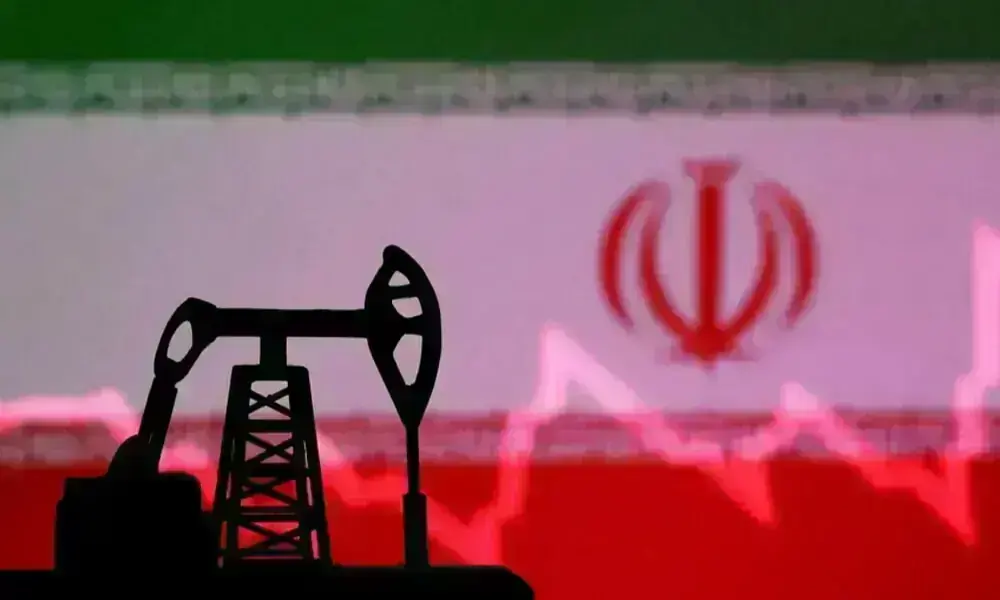
Oil prices fall as Trump pauses attacks on Iranian energy plants
PERTH: Oil prices fell in early trade on Friday and were down over a volatile week after US President Donald Trump said talks with Iran to end the war were going “very well” and announced he would pause attacks on the country’s energy plants for 10 days. Brent futures fell 90 cents, or 0.8%, to $107.11 per barrel as of 0024 GMT, while U.S. West Texas Intermediate futures lost 83 cents, or 0.88%, to $93.65 per barrel, trimming gains from a bullish previous session. On Thursday, Brent rose 5.7% while WTI gained 4.6% on fears of further escalation of the war, although trading volume for the front-month Brent contract was the lowest since February 27, the day before the United States and Israel began strikes on Iran. However, Brent is headed for its first weekly fall in six weeks while WTI has fallen for a second consecutive week, with Trump talking up the prospect of ending the war. “As per Iranian Government request … I am pausing the period of Energy Plant destruction by 10 Days to Monday, April 6, 2026, at 8 P.M., Eastern Time,” Trump said in a post on Truth Social on Thursday. An Iranian official told Reuters that a 15-point U.S. proposal, conveyed to Tehran by Pakistan, was reviewed in detail on Wednesday by senior Iranian officials and the representative of Iran’s supreme leader. The official called the plan “one-side and unfair”. The US president said on Thursday that Iran was letting 10 oil tankers transit the Strait of Hormuz as a goodwill gesture in negotiations. He said they were Pakistan-flagged vessels. However, the US has also sent thousands of troops to the Middle East, with Trump weighing whether to use ground forces to seize Iran’s strategic oil hub of Kharg Island. The war has nearly halted shipments through the Strait of Hormuz, which typically carries about a fifth of the world’s crude oil and LNG supply, with International Energy Agency chief Fatih Birol describing the crisis as worse than the two oil shocks of the 1970s, as well as the impact of the Russia-Ukraine war on gas, put together. The war on Iran has taken 11 million barrels of oil per day from global supply. “For today, the markets are not assuming a huge impact, particularly in oil. If you look at the forward curve, they’re assuming this will end quite fast and things will stabilise quite quickly,” Macquarie chief executive Shemara Wikramanayake told the Asia Pacific Financial and Innovation Symposium in Melbourne on Thursday.
Go to News Site