


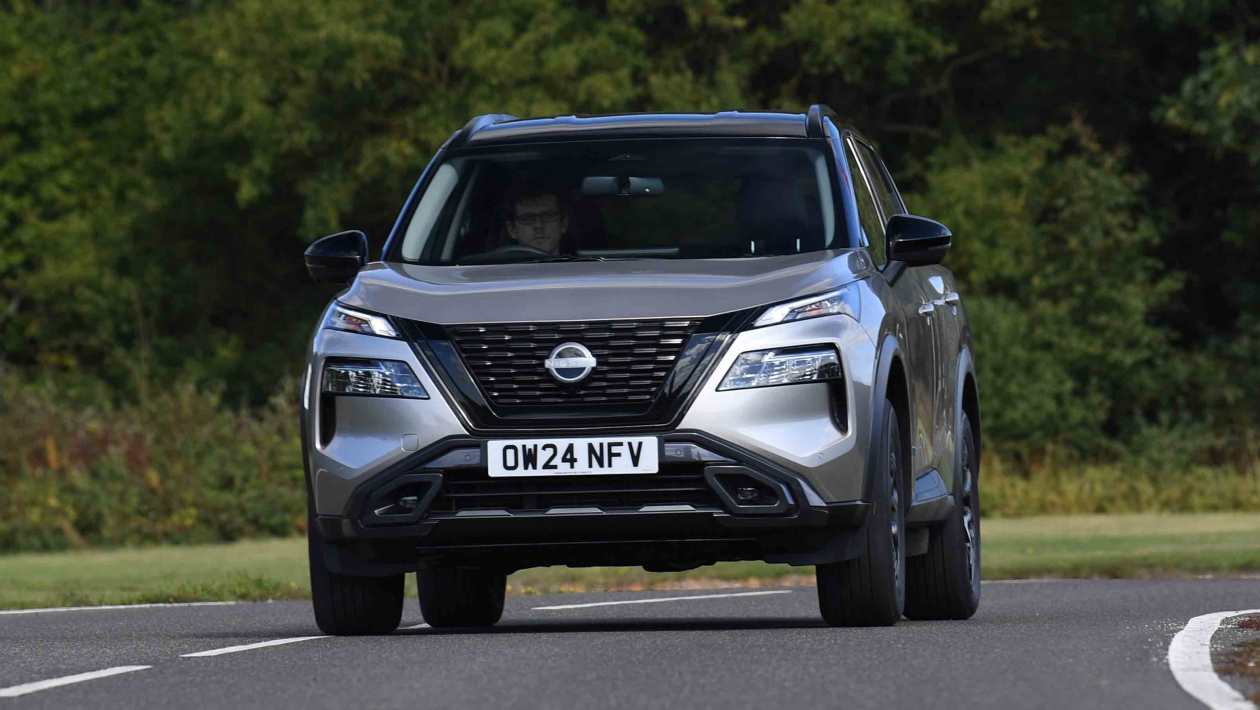
Nissan X-Trail recalled in UK over engine failure risk
More than 300,000 vehicles with 1.5-litre petrol engine are being called back worldwide
More than 300,000 vehicles with 1.5-litre petrol engine are being called back worldwide
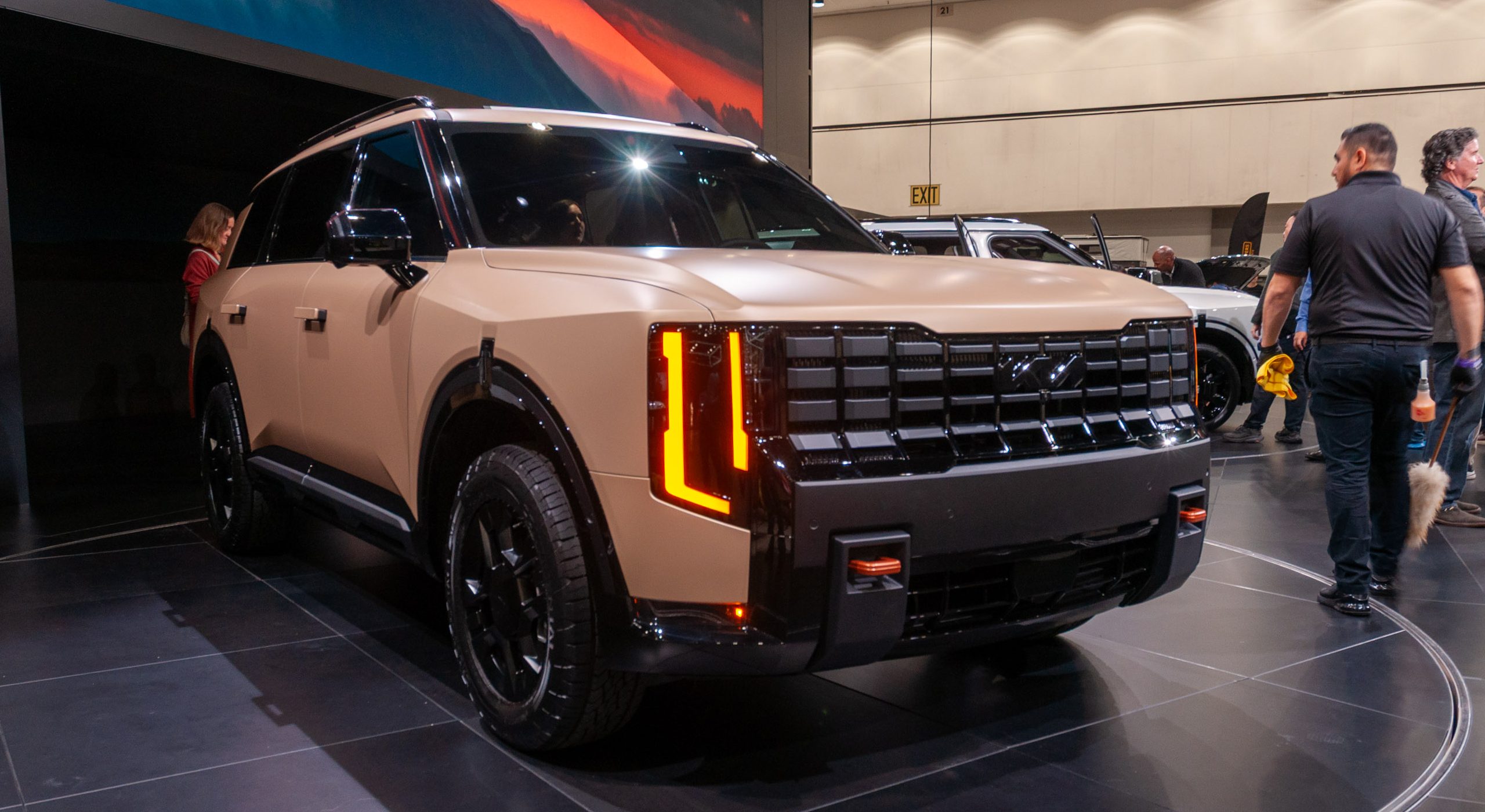
Kia's charging a $7,300 premium for the hybrid Telluride, but that's because the electrified model skips the two base trims of the non-hybrid. The post The 2027 Kia Telluride Hybrid Costs $48,035: TDS appeared first on The Drive .
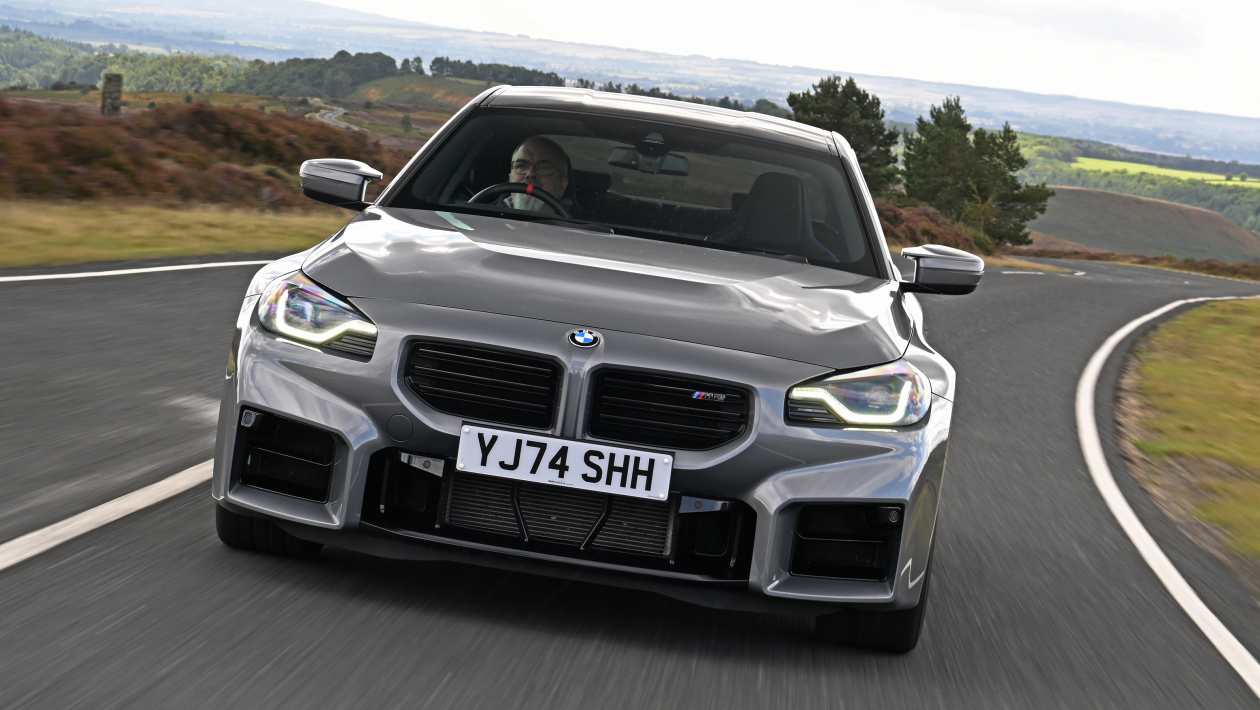
The names and details of new models coming this year have prematurely appeared on BMW USA’s website
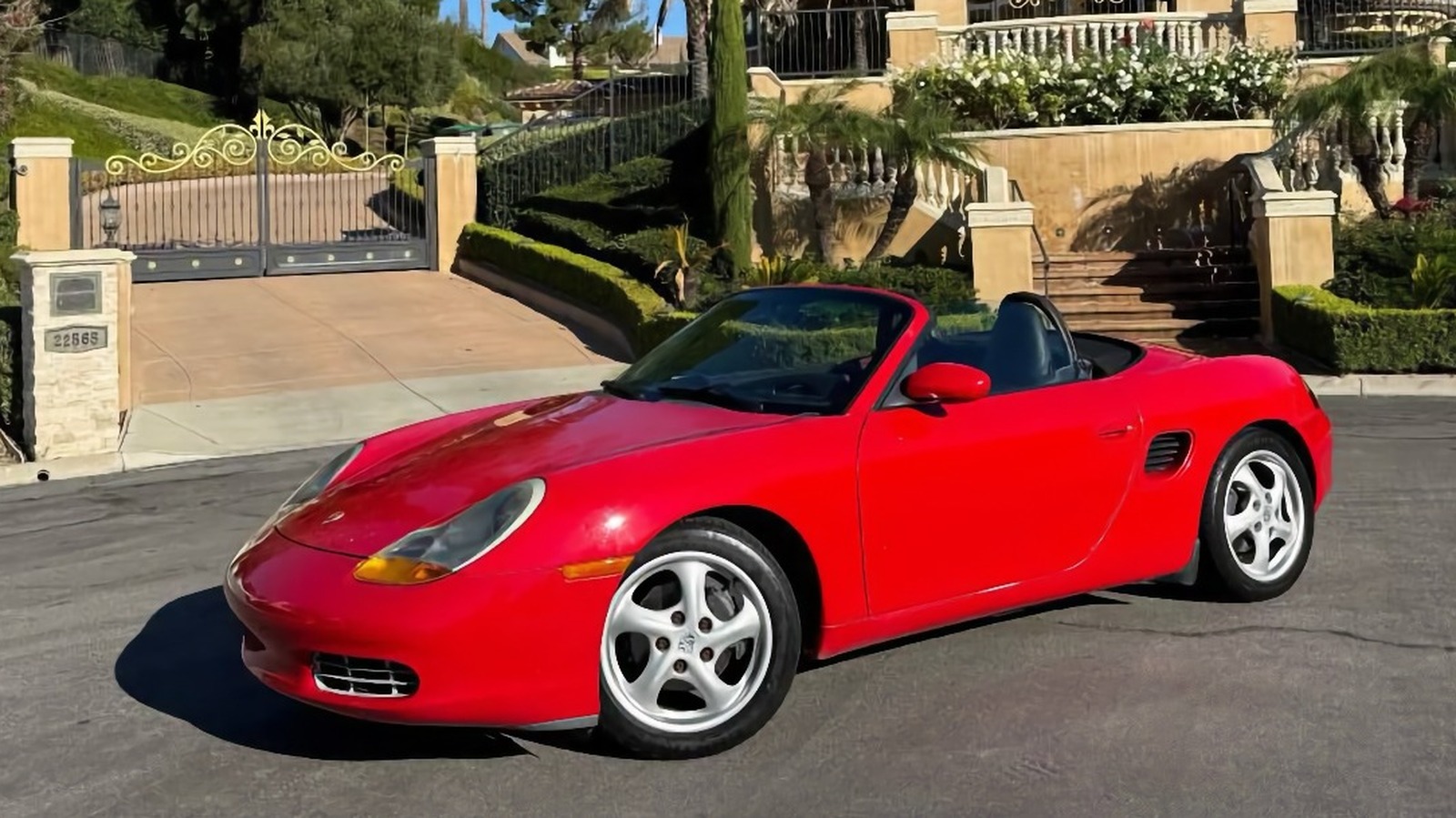
It may not be the most powerful Porsche but - on a smiles-per-dollar basis - is this 90s Boxster worth its $7k sticker?

Ferrari is reportedly set to unveil five new models this year, and one of them could be a convertible version of the Amalfi. According to The Supercar Blog, the Italian marque is expected to introduce the Amalfi Spider in the first half of March 2026. If accurate, it would
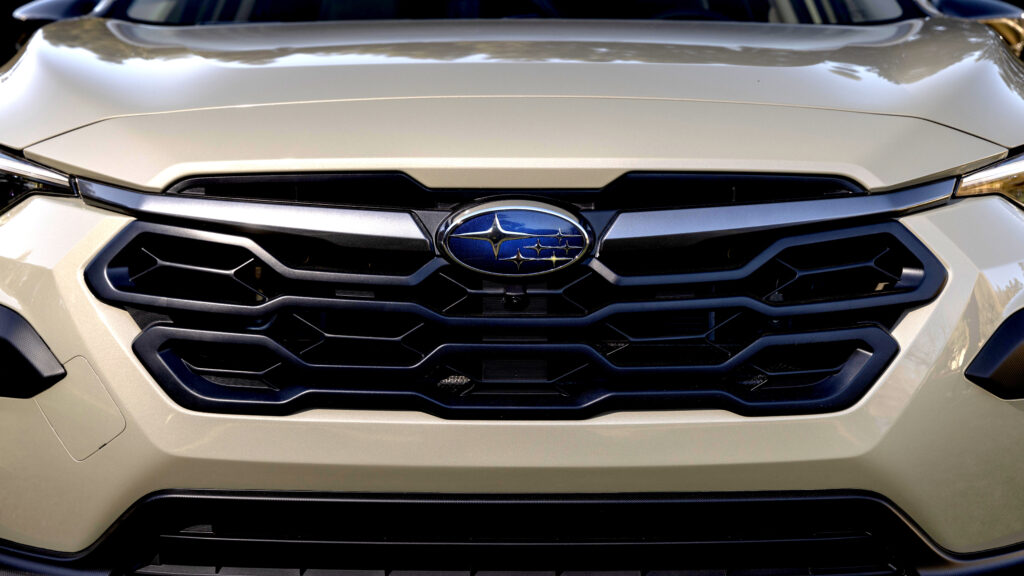
Crosstrek and Forester hybrid models are being recalled because fuel could spill out of their fillers caps
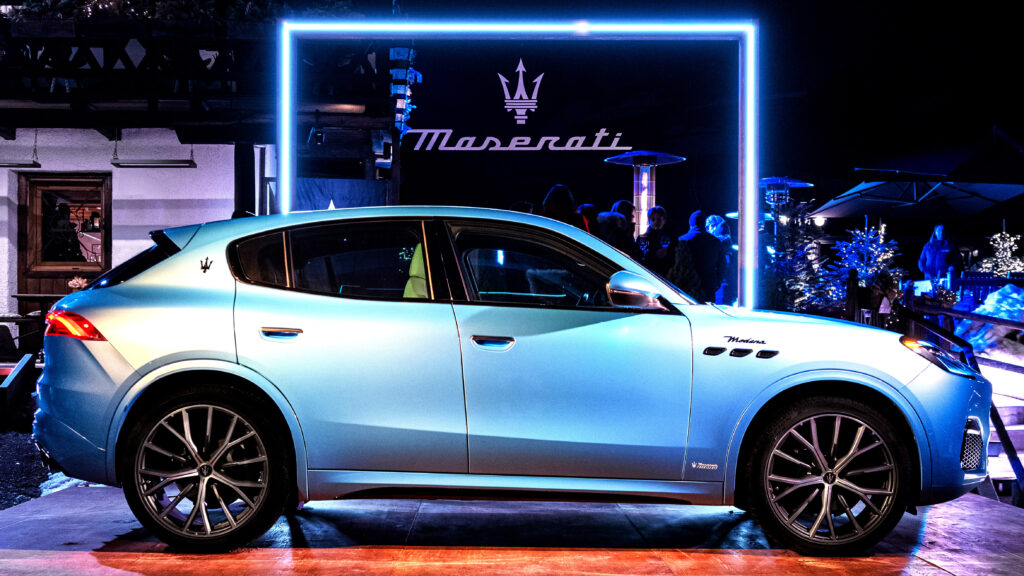
Stellantis identified a “perfect storm” of tariffs, shrinking product range, and collapsing demand in China behind Maserati’s disastrous performance
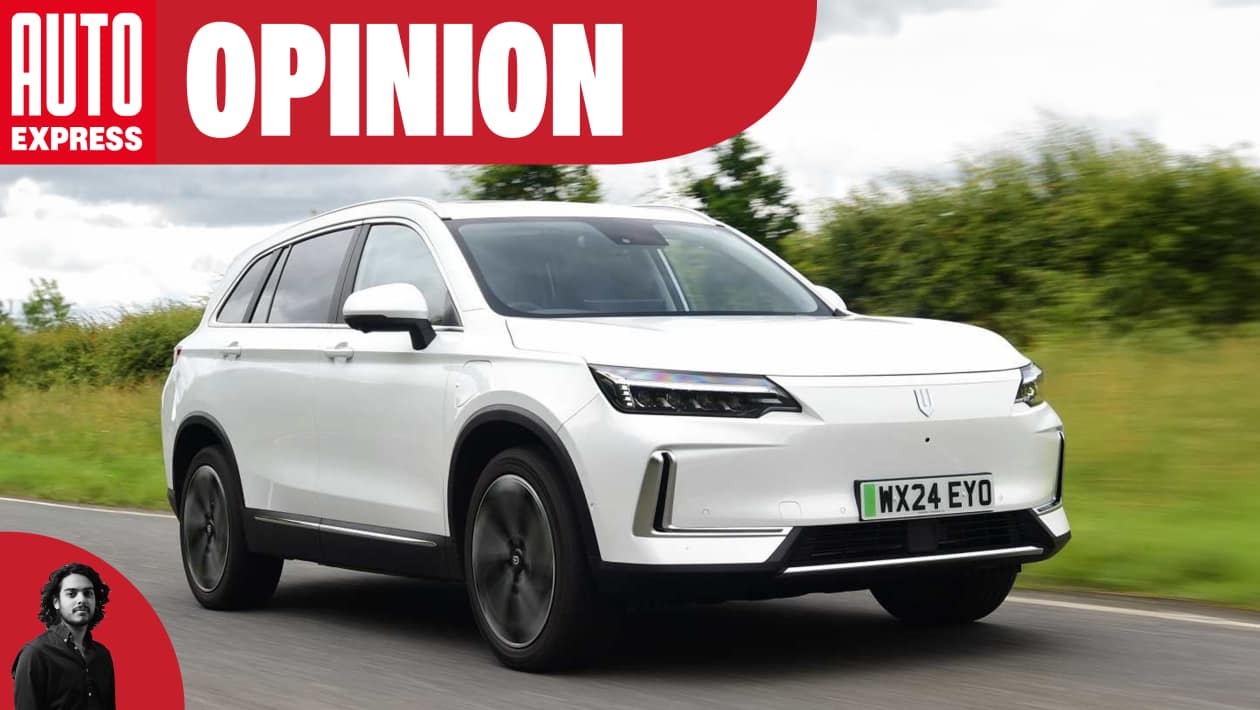
Chinese brands often develop their cars at speed, but our news editor thinks this doesn't always result in good products.

It's not just cars, and it's not just new ones: is it the fault of the machines or who created them? The only button on the climate control panel pictured below from which the coating has worn away tells a much larger story than its small size would suggest. It's merely a single fan-speed-down button, but to me it represents ground zero in a much wider conflict. There is a reason for the overwhelming number of pushes it has received over the past 23 years and, as you might imagine, it's an annoying one. The car is an Audi A2 (my own 2004 diesel), a small car with automatic climate control. Swish. If you set the temperature you desire and push the 'auto' button, the fan speed looks after itself until the interior temperature matches the one requested. For some drivers, that setting will be fine, but not everybody wants it that way. In summer, there are those who want chilled air lightly breezed into a cabin otherwise basking in warmth. Then there are drivers and I'm one of them who in winter like very hot air drawn into the cabin, but only softly. Then there are people who just don't like a lot of fan noise. I'm one of those too. And for drivers who want hot or cold temperatures matched with low fan speeds, there are manual override controls. The system has buttons for temperature, fan speed and air distribution. Those for the temperature and distribution do as they're told. Alas, those for the fan speed do not, with the insistence of a badly trained dog continually pulling at a lead. If a driver sets the fan speed low (to, say, one or two bars on the scale), after a few moments the fan will increase speed of its own accord, setting itself to three, then four or the exact point that the noise starts to become irritating. So, as evidenced by the wear on the button, the driver pushes the down fan switch until the fan is back at the desired speed. And another minute or two after it has been reined back in, off it wanders again, searching for something to sniff at, continually having to be dragged back to heel. So it goes on and on, driver infuriated, button worn. The tired old button says I'm not the only one bothered by this over the decades, and a bit of additional research says the same. Even today people buy a used Audi, then head to online forums to wonder why the climate control isn't listening to them. Infuriatingly, this is by design. If the interior temperature remains too far from the one the system thinks has been demanded, it ignores the user's fan speed request and speeds up the blower to try to make up the temperature difference. It was programmed to do so by someone who clearly didn't understand the end user. A quarter of a century on from its programming and without that team in the room with us, it of course feels like a manversus-machine battle of the kind that we're tied up in day after day, with apps that won't do what they're told, notifications automatically defaulting on, ovens that won't work unless you tell them the time and generic non-stop continuous interference that we never asked for and doesn't work properly. Cars have more than their share of this. I don't want to bang on about it, but new year, same old complaints: you get into a new car and have to spend too much time disabling systems lane keeping assistance, road sign monitoring, reverse emergency braking that slams the car to a halt if someone 30 metres away is flapping their arms around a bit that don't work properly, only for them to default on again because the law says they have to. It's easy to blame the machines for this. They are the primary point of interface, after all, and the us-versus-them paradigm is a common one in popular culture. "We don't know who struck first, us or them," said Morpheus in the landmark film The Matrix about the global war in which intelligent machines enslaved the human race. A cheery thought for another day. For now, it's worth remembering for every machine that ignores or fails you, there's a human who told it to do so. We struck first, when we instructed an Audi to ignore us.
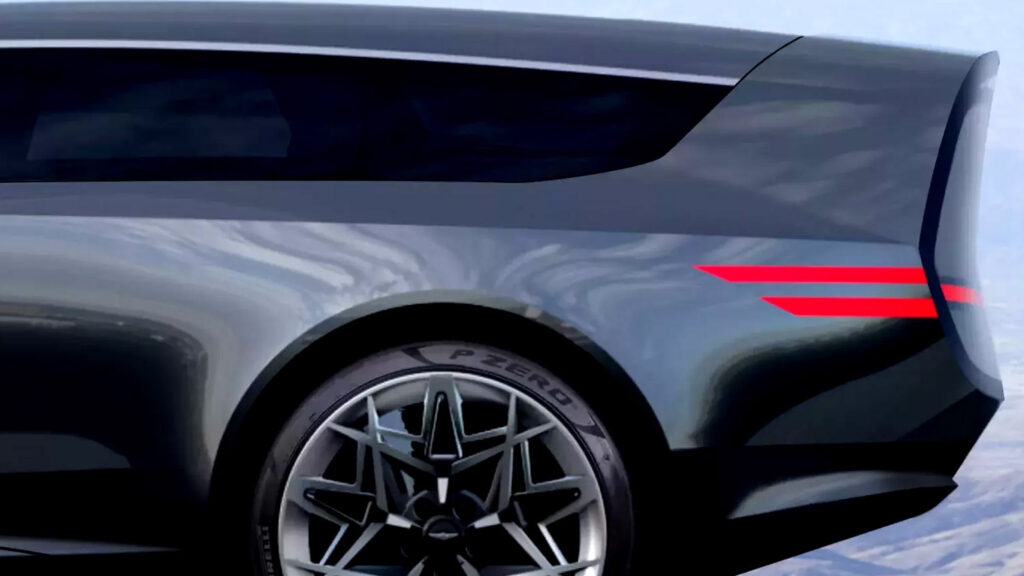
A new report claims Genesis will launch a high-end minivan in China, inspired by its futuristic Jet on Wheels concept
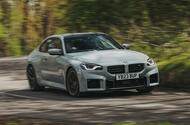
Buyers will get the choice between traditional rear-wheel drive and BMW's 'xDrive' four-wheel drive BMW is preparing to fit the M2 with four-wheel drive for the first time, bringing its smallest performance model into line with the M3 , M4 and M5 . The new M2 xDrive, briefly referenced on BMW’s US website this week, is set to be offered alongside the existing rear-wheel drive M2 rather than replace it, giving buyers the choice between the traditional rear-driven set-up and the added security and traction of four driven wheels. Until now, the M2 has been the sole hold-out in the current M line-up, sticking with rear-wheel drive and remaining the only model to offer a six-speed manual gearbox. The four-wheel-drive system will be paired exclusively with BMW’s eight-speed automatic transmission. As in other recent M cars, it is expected to feature a rear-biased calibration with selectable driving modes, including a setting that allows fully rear-driven operation. Further details remain under wraps, but indications suggest the M2 xDrive will retain BMW M’s S58 twin-turbocharged 3.0-litre in-line six-cylinder petrol engine, uprated from today’s 473bhp to somewhere closer to the 523bhp of the M2 CS . The increase is aimed at offsetting the additional mass brought on by front driveshafts and transfer hardware, likely pushing kerb weight towards 1800kg. The extra traction is expected to bring a marked improvement in off-the-line performance, with 0-62mph anticipated to dip below the 4.0sec mark. Production of the M2 xDrive is set to begin at BMW’s San Luis Potosí plant in Mexico by mid-year, ahead of UK launch during the second half of 2026.
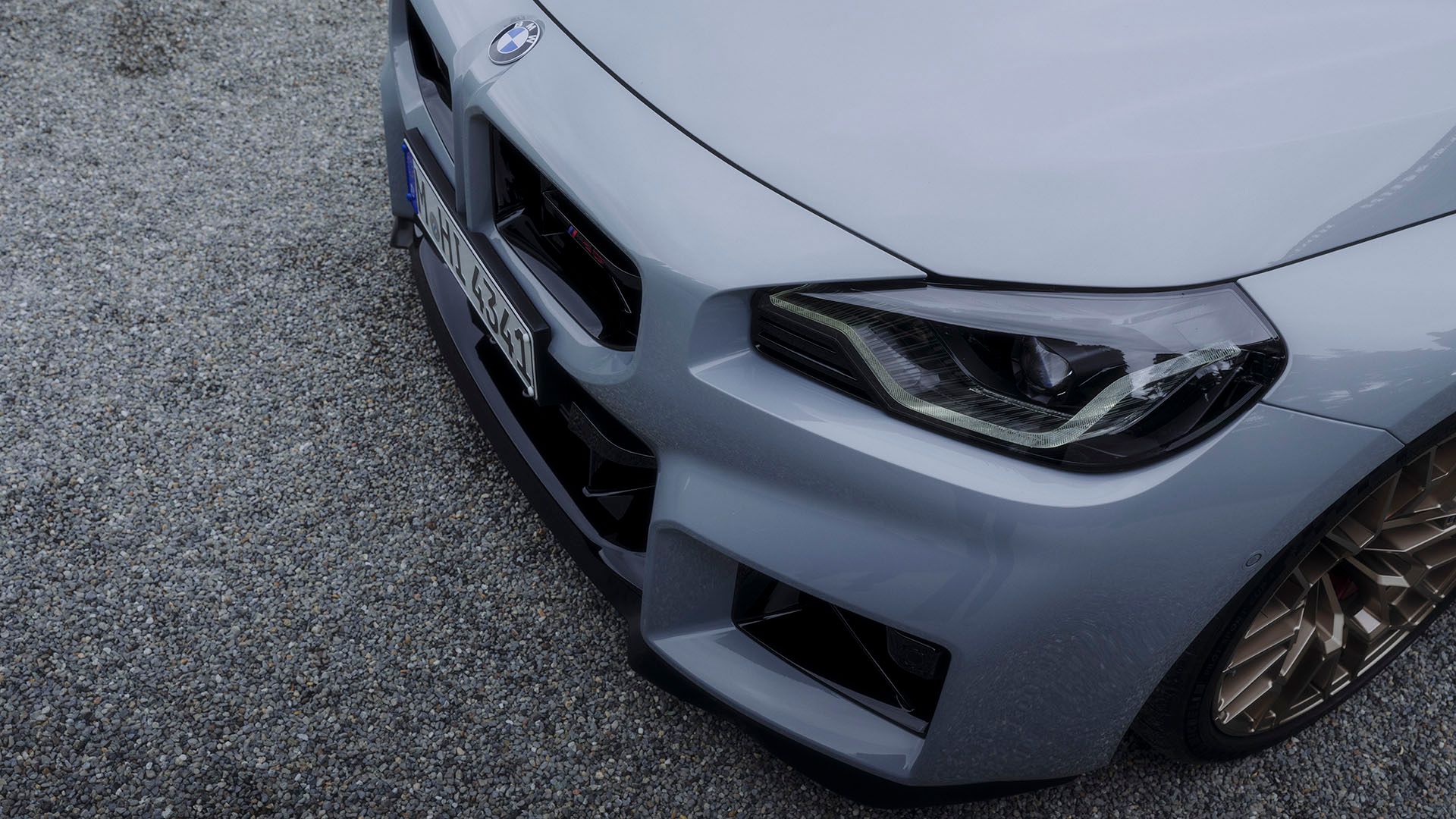
BMW slipped up and now we know it's real.
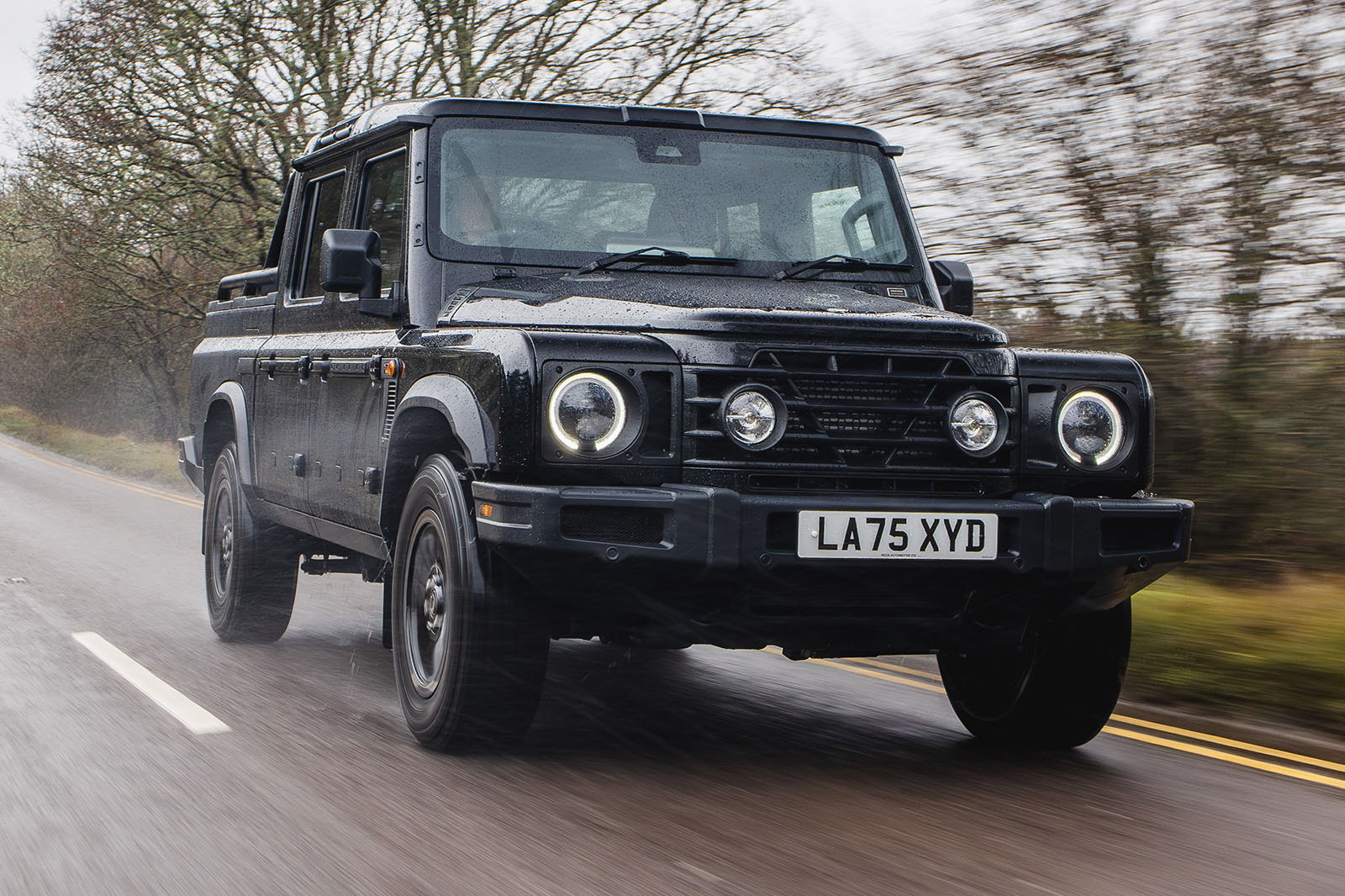
Hard-grafting and capable off-roader gains a longer, pick-up truck variant Some cars’ personalities take a while to decipher, though that has never been the case with the towering Ineos Grenadier Quartermaster. The pick-up variant of Ineos’s core station wagon offering sits in the N1 commercial vehicle class and is designed to be immensely tough, immensely useful and rich in the kind of old-world character the Land Rover Defender has relinquished.At a glance, there’s nothing to suggest it can’t heartily tick all of those boxes, and indeed when we first drove one of these cars in 2024, we liked it, though our praise was qualified. We are returning to the Quartermaster now firstly because Ineos has introduced a number of improvements for the 2026 model year, as well as a £72,000 Black Edition trim level, as seen and tested here. There is also the fact that the diesel engine has yet to go under the road test microscope (it was a petrol we previously tested), which feels like an omission for a car of this ilk.
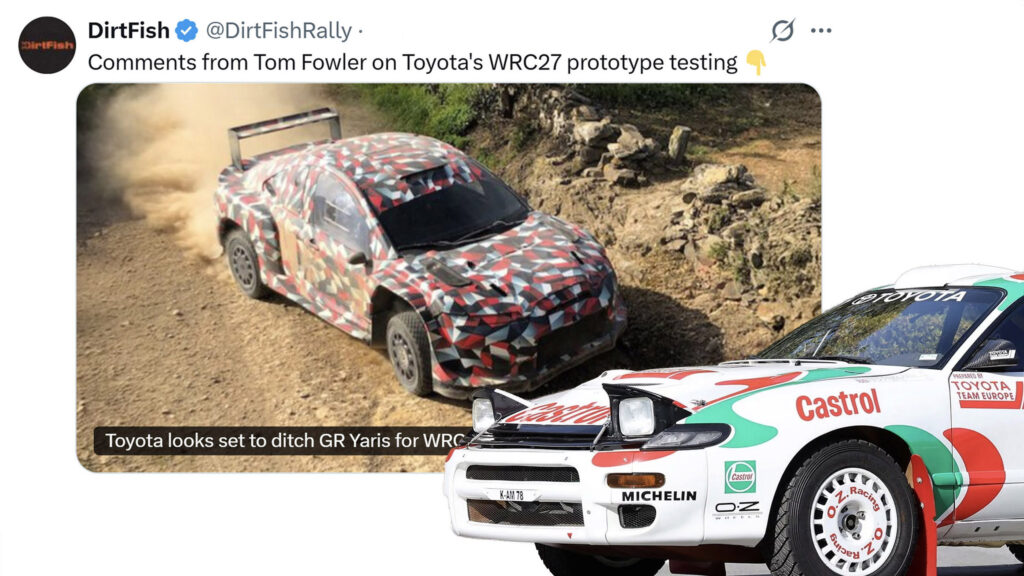
The two-door coupe silhouette of the rally car hints at the Celica's return in WRC, although the technical base is largely dictated by the FIA rules
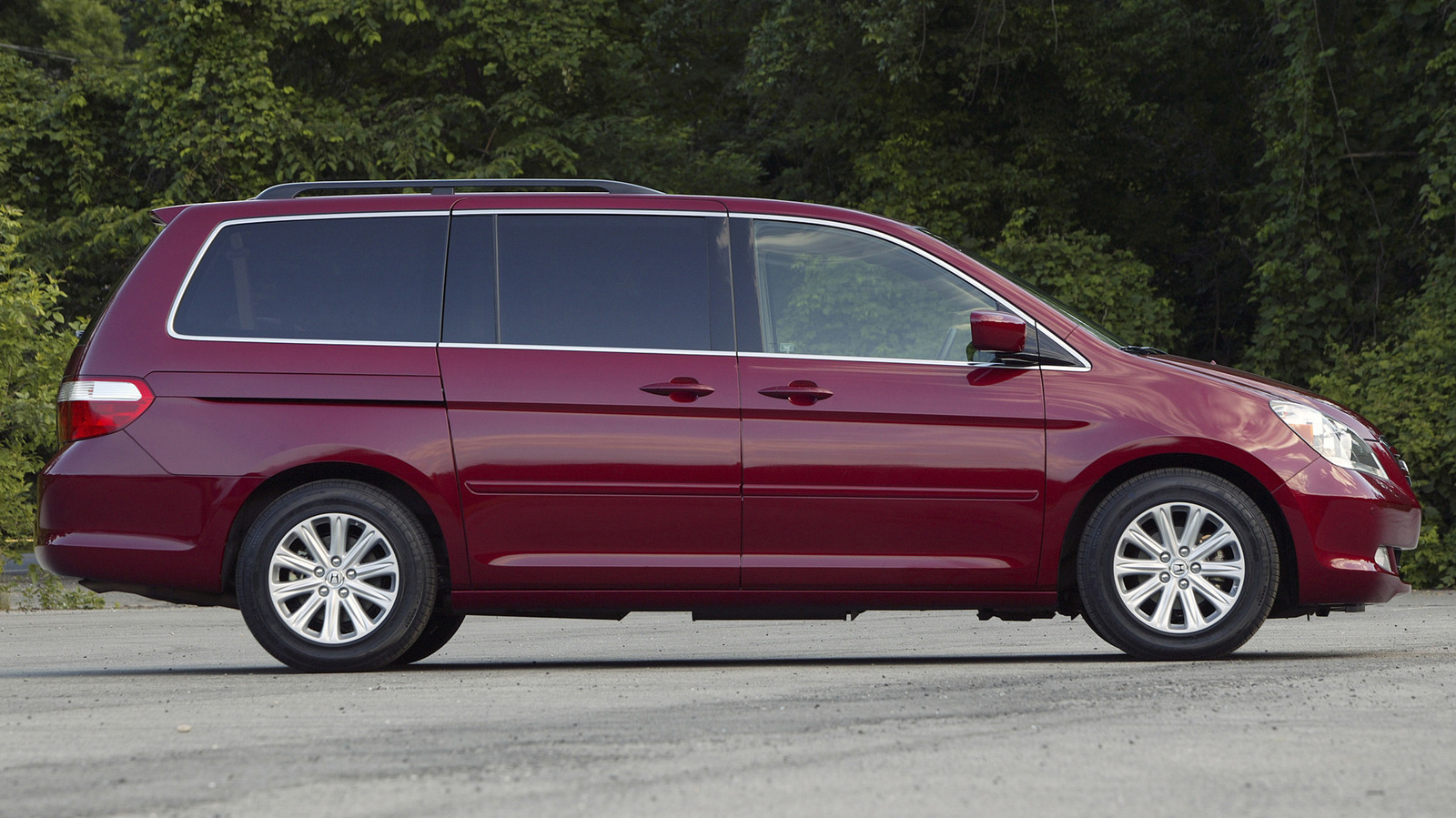
At one time, both the Bugatti Veyron and the Honda Odyssey Touring used the same tire tech. Here's why a supercar and a minivan shared similar parts.
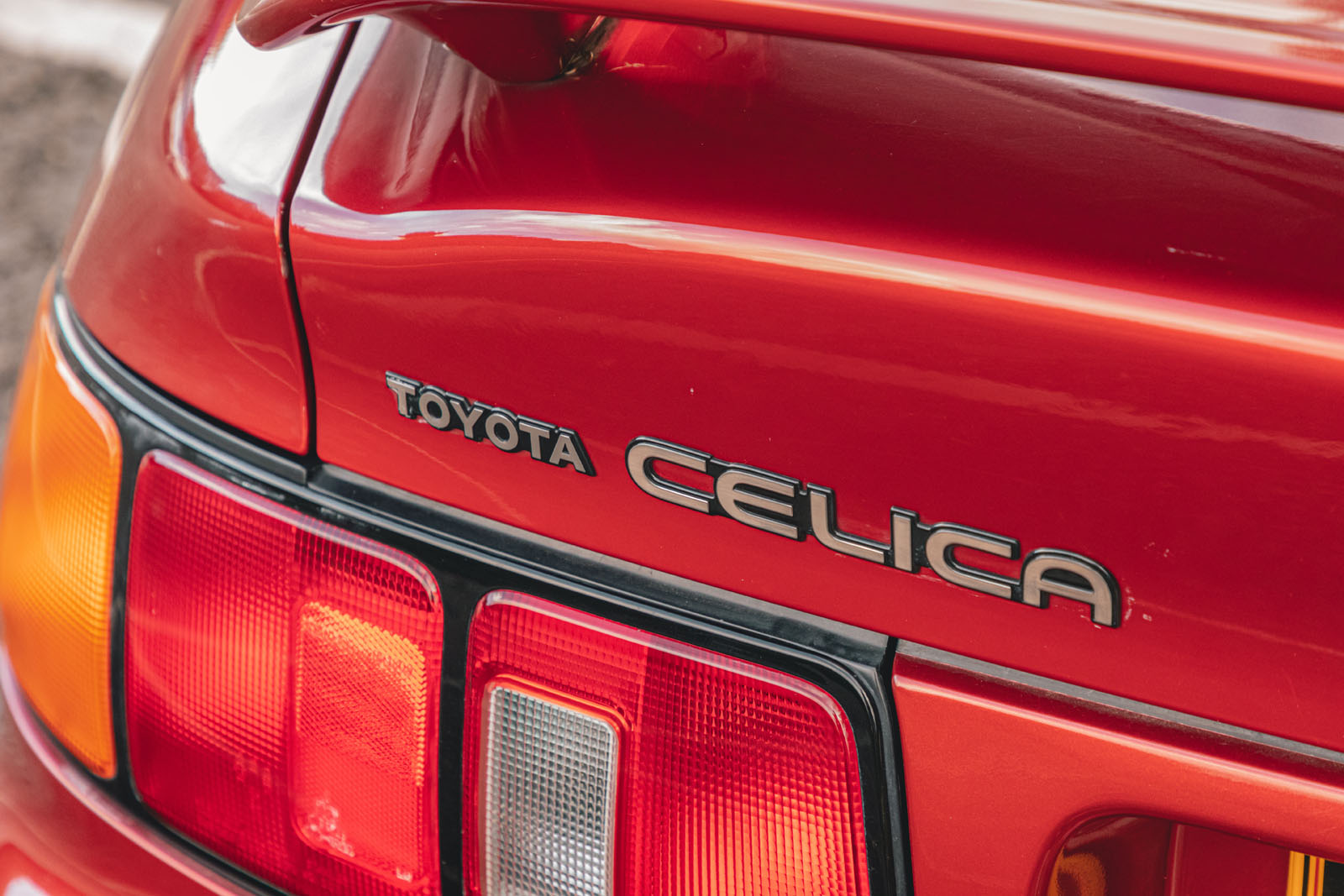
New Toyota-liveried rally prototype surfaces in Portugal, and it could be our first look at the new Celica Toyota is testing a new rally car that could hint at the design and dynamic intent of the next-generation Celica sports car, which is due to be unveiled next year. Images taken by Marcio Pereira and published by French website Rallye-Sport.fr show a new coupé wearing Toyota’s test livery being shaken down in Portugal, ahead of its debut in the 2027 World Rally Championship. Premières images de la Toyota WRC27 en essais au Portugal #WRC Photos : Marcio Pereira pic.twitter.com/JLDMR9ejMn — Rallye Sport (@RallyeSport) February 26, 2026 The WRC's 2027 regulations allow competitors to field cars with a much broader range of bodystyles than currently, including coupés. Autosport has reported that Toyota is the only manufacturer known to be developing an all-new car for the formula. Given a new Celica is currently in development, and given the Celica's legacy in the WRC (it won the manufacturers' title in 1993 and 1994), it's most likely this coupé will reprise the name. The prototype leaves much to the imagination, wearing wide arches and all manner of aerodynamic addenda, but it appears the Celica will have a bubble-style roofline and fang-like front lights similar to those worn by the previous Toyota FT-Se concept . Toyota first confirmed the return of the Celica at the 2024 Rally Japan, when then-vice-president Yuki Nakajima told spectators: “ We're making the Celica !” Company chairman Akio Toyoda has previously spoken of his desire to revive what he calls the “three brothers”, the Supra, Celica and MR2. The Supra was revived back in 2019 and little remains known about the next MR2, suggesting the Celica will be next to return. A spokesperson for Toyota told Autocar: "As everybody knows and as has been communicated by the FIA, a new set of technical regulations will be introduced for the 2027 WRC season. "For TGR-WRT, this means that our current Rally1 [car, the GR Yaris ] will naturally reach the end of its competitive lifespan in WRC at the conclusion of the 2026 season. "As a company and motorsport team, we are always working to develop ever-better cars and have started testing with our prototype car developed to the new regulations as laid out by the FIA for 2027."
 Auto Express
  The Drive
  Jalopnik
  Autoblog
  Carscoops
  Autocar
  CarBuzz