 The Huffington Post
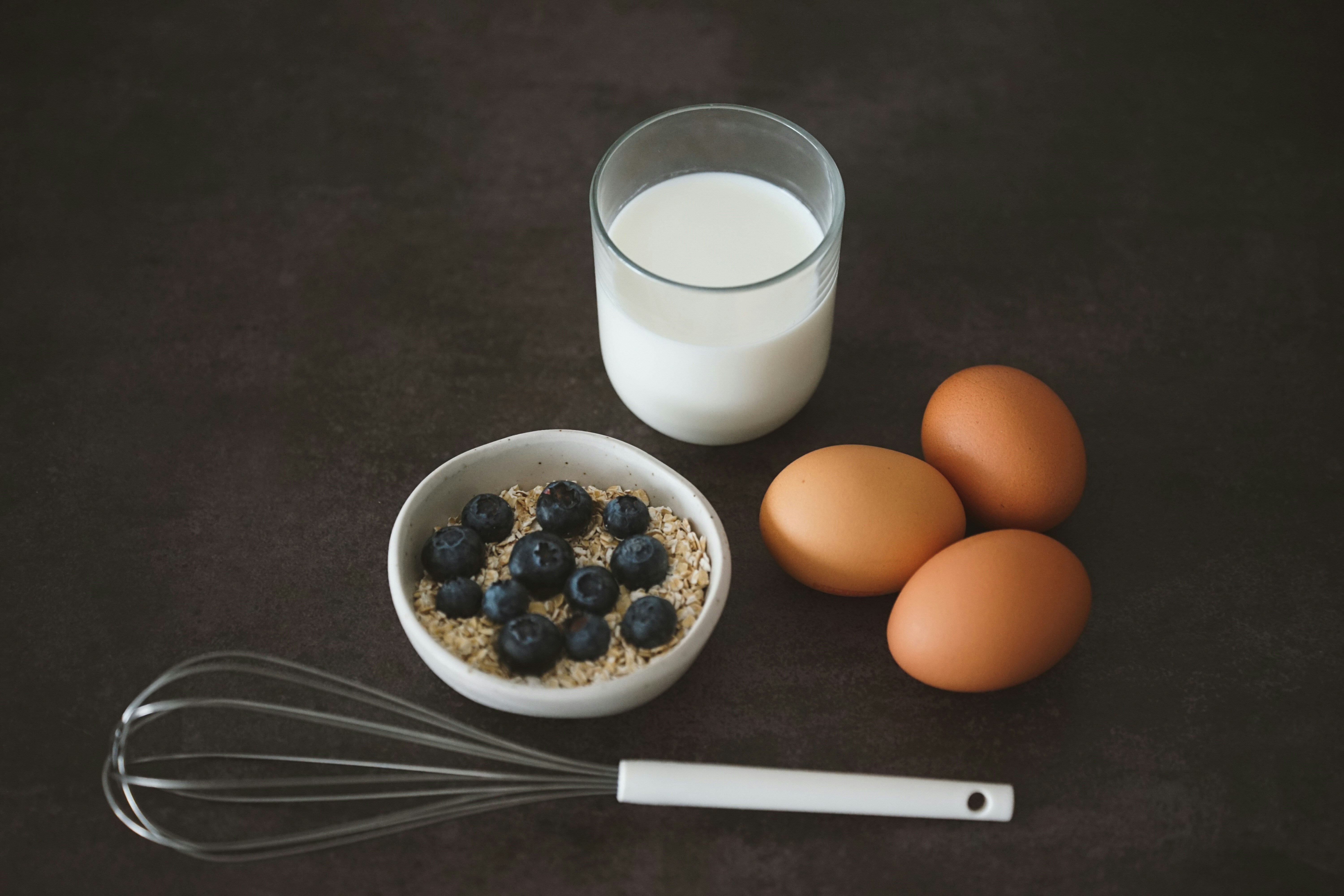
What you eat could affect how you age. For instance, plums are linked to slower brain ageing and better heart health, while watercress might help us to stave off disease. Specific nutrients, like fibre, are also associated with a lower risk of bowel cancer and even a decreased dementia risk. And according to a new paper published in the journal Clinical Nutrition , zinc – a mineral found in foods like oysters, eggs and oats – is associated with a “delayed” biological age. A person’s biological age is a measure of how well their cells, tissues, and organs are ageing. It’s different to how many years they’ve been alive (chronological age), which Dr Saadia Hussain told The Cleveland Clinic is “not as strong a predictor of health as you might think”. Why might zinc help us age better? This study looked at information from nearly 69,000 members of the UK Biobank , a long-standing project in which almost half a million participants agreed to make their health data available to researchers. The study authors worked out which participants were likely to have enough zinc in their diets by looking at their diet and supplement reports. They split the members into two groups: people who were less likely to be eating enough zinc, and those who probably had enough. They then used the ENABL Age tool , a computer-led framework for predicting people’s biological age, to estimate the cellular age of these members. After comparing these results to participants’ predicted zinc intake, they found that people who ate enough zinc a day saw slower biological ageing. Exercising throughout the week made those benefits stronger. But more is not better: those who consumed too much zinc (more than 40mg a day) actually aged about seven years more quickly on a biological level. For that reason, the paper read: “We suggest that people take daily zinc supplements with caution.” How much zinc should I consume a day? This study suggested 11mg of zinc a day for men and 8mg a day for women. They stressed that neither should go over 40mg a day. The NHS, meanwhile, recommends around 9.5mg a day for men (aged 19 to 64 years) and 7mg a day for women. How can I get enough zinc? The NHS said that most of us “should be able to get all the zinc you need from your daily diet”. They added that consuming too much zinc can lead to anaemia and weaker bones, because this stops your body from absorbing enough copper. The health service added that you shouldn’t take zinc supplements surpassing 25mg a day, unless told to do so by your doctor. Which foods contain zinc? Foods which naturally contain zinc include: Shellfish, like oysters and crab (oysters are especially high in zinc) Meat like chicken and lamb Nuts, like cashews and peanuts Pulses, like lentils and beans Seeds, like pumpkin and hemp seeds Fortified breakfast cereals Eggs Oats Dairy products like cheese Bread. Related... The Humour Style Psychologists Think Is Linked To Better Ageing The Fruit Linked To Better Heart Health And Slower Brain Ageing Grandparenting, Even Occasionally, Could Slow Brain Ageing
Go to News Site The Huffington Post
 The Huffington Post
 The Huffington Post
 The Huffington Post
 The Huffington Post
 The Huffington Post
 The Huffington Post
 The Huffington Post
 The Huffington Post
 The Huffington Post
 The Huffington Post
 The Huffington Post
 The Huffington Post
 The Huffington Post
 The Huffington Post
 The Huffington Post
 The Huffington Post
 The Huffington Post
 The Huffington Post
 The Huffington Post
 The Huffington Post
 The Huffington Post
 The Huffington Post
 The Huffington Post
 The Huffington Post
 The Huffington Post
 The Huffington Post
 The Huffington Post
 The Huffington Post
 The Huffington Post
 The Huffington Post
 The Huffington Post
 The Huffington Post
 The Huffington Post
 The Huffington Post
 The Huffington Post
 The Huffington Post
 The Huffington Post
 The Huffington Post
 The Huffington Post

 Evening Standard
 Metro
Metro 
 The Independent
 The Press