


Read AI launches a email based ‘digital twin’ to help you with schedules and answers
Read AI is launching Ada, which can reply with your availability and extract answers from the company knowledge base and the web.
Read AI is launching Ada, which can reply with your availability and extract answers from the company knowledge base and the web.

New research reveals a growing appetite for "AI immortality” among younger generations – even as experts warn the technology can’t truly recreate a human mind.
Read AI is launching Ada, which can reply with your availability and extract answers from the company knowledge base and the web.

After five years Huawei has updated its running-friendly fitness watch with the Huawei Watch GT Runner 2, which is claimed to have unusually accurate GPS.
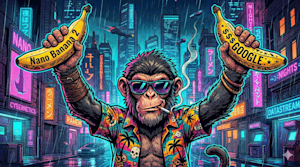
For the last six months, enterprises wanting to deploy high quality AI image generation at scale have faced an uncomfortable trade-off: pay premium prices for Google's Nano Banana Pro model, or settle for cheaper (sometimes free), faster, but noticeably inferior alternatives — especially in terms of enterprise requirements like embedded accurate text, slides, diagrams, and other non aesthetic information. Today, Google DeepMind is attempting to collapse that gap with the launch of Nano Banana 2 (formally Gemini 3.1 Flash Image) — a model that brings the reasoning, text rendering, and creative control of the Pro tier down to Flash-level speed and pricing. The release comes just sixteen days after Alibaba's Qwen team dropped Qwen-Image-2.0 , a 7-billion parameter open-weight challenger that many developers argued had already matched Nano Banana Pro's quality at a fraction of the inference cost. For IT leaders evaluating image generation pipelines, Nano Banana 2 reframes the decision matrix. The question is no longer whether AI image models are good enough for production — it's which vendor's cost curve best fits the workflow. The production cost problem: why Nano Banana Pro stayed in the sandbox When Google released Nano Banana Pro in November 2025, built on the Gemini 3 Pro backbone, the developer community was impressed by its visual fidelity and reasoning capabilities. The model could render accurate text in images, maintain character consistency across multi-turn conversations, and follow complex compositional instructions — all capabilities that previous image generators struggled with. But Pro-tier pricing created a barrier to deployment at scale. According to Google's API pricing page, Nano Banana Pro's image output is priced at $120 per million tokens, working out to roughly $0.134 per generated image at 1K pixel resolution. For applications generating thousands of images daily — think e-commerce product visualization, marketing asset pipelines, or localized content generation — those costs compound quickly. Nano Banana 2, built on the Gemini 3.1 Flash backbone, dramatically undercuts that pricing. Flash-tier image output is priced at $60 per million tokens, approximately $0.067 per 1K image per image — roughly 50% cheaper than the Pro model. For enterprises running high-volume image generation workflows, that's the difference between a proof of concept and a production deployment. What Nano Banana 2 actually delivers The model is not simply a cheaper Nano Banana Pro. According to Google DeepMind's announcement, Nano Banana 2 brings several capabilities that were previously exclusive to the Pro tier while introducing new features of its own. The headline improvement is text rendering and translation. The model can generate images with accurate, legible text — a historically weak point for AI image generators — and then translate that text into different languages within the same image editing workflow. Subject consistency has also improved significantly. Nano Banana 2 can maintain character resemblance across up to five characters and preserve the fidelity of up to 14 reference objects in a single generation workflow. This enables storyboarding, product photography with multiple SKUs, and brand asset creation where visual continuity matters. Google's documentation highlights the ability to provide up to 14 different reference images as input, allowing the model to compose scenes incorporating multiple distinct objects or characters from separate sources. On the technical specification side, the model supports full aspect ratio control, resolutions ranging from 512 pixels up to 4K, and two thinking levels that let developers balance quality against latency. One notable addition that Nano Banana Pro lacks is an image search tool — the model can perform image searches and use retrieved images as grounding context for generation, expanding its utility for workflows that require visual reference material. The Qwen-Image-2.0 factor: why Google needed to move fast Google's timing is not coincidental. On February 10, Alibaba's Qwen team released Qwen-Image-2.0 , a unified image generation and editing model that immediately drew comparisons to Nano Banana Pro — but with a dramatically smaller footprint. Qwen-Image-2.0 runs on just 7 billion parameters, down from 20 billion in its predecessor, while unifying text-to-image generation and image editing into a single architecture. The model generates natively at 2K resolution (2048×2048 pixels), supports prompts up to 1,000 tokens for complex layouts, and ranks at or near the top of AI Arena's blind human evaluation leaderboard for both generation and editing tasks. For enterprise buyers, the competitive dynamics are significant. Qwen-Image-2.0's 7B parameter count means substantially lower inference costs when self-hosted — a critical consideration for organizations with data residency requirements or high-volume workloads. The Qwen team's previous model, Qwen-Image v1, was released under Apache 2.0 approximately one month after its initial announcement, and the developer community widely expects the same trajectory for v2.0. If open weights materialize, organizations could run a Nano Banana Pro-competitive image model on their own infrastructure without per-image API charges. The model's unified generation-and-editing architecture also simplifies deployment. Rather than chaining separate models for creation and modification — the current industry norm — Qwen-Image-2.0 handles both tasks in a single pass, reducing latency and the quality degradation that occurs when outputs are passed between different systems. Where Qwen-Image-2.0 currently trails is ecosystem integration. Google's Nano Banana 2 launches today across the Gemini app, Google Search (AI Mode and Lens), AI Studio, the Gemini API, Google Antigravity, Vertex AI, Google Cloud, and Flow — where it becomes the default image generation model at zero credit cost. That breadth of distribution is difficult for any challenger to replicate, particularly one whose API access is currently limited to Alibaba Cloud's platform. What this means for enterprise AI image strategies The simultaneous availability of Nano Banana 2 and Qwen-Image-2.0 creates a decision framework that IT leaders haven't had before in the image generation space. For organizations already embedded in Google's cloud ecosystem, Nano Banana 2 is the obvious first evaluation. The cost reduction from Pro pricing, combined with native integration across Google's product surface, makes it the path of least resistance for teams that need production-quality image generation without re-architecting their stack. The model's text rendering capabilities make it particularly well-suited for marketing asset generation, localization workflows, and any application where legible in-image text is a requirement. For organizations with data sovereignty concerns, high-volume workloads that make per-image API pricing prohibitive, or a strategic preference for open-weight models, Qwen-Image-2.0 presents a compelling alternative — provided Alibaba follows through on open-weight availability. The model's smaller parameter count translates to lower GPU requirements for self-hosting, and its unified generation-editing architecture reduces pipeline complexity. The wild card is Nano Banana Pro itself, which isn't going away. Google AI Pro and Ultra subscribers retain access to the Pro model for specialized tasks, accessible via the regeneration menu in the Gemini app. For use cases demanding maximum visual fidelity and creative reasoning — think high-end creative campaigns or applications where every image needs to look bespoke — Pro remains the ceiling. The provenance layer: a quiet but important enterprise differentiator Buried in Google's announcement is a detail that may matter more to enterprise legal and compliance teams than any quality benchmark: provenance tooling. Nano Banana 2 ships with SynthID watermarking — Google's AI-generated content identification technology — coupled with C2PA Content Credentials, the cross-industry standard for content authenticity metadata. Google reports that since launching SynthID verification in the Gemini app last November, the feature has been used over 20 million times to identify AI-generated images, video, and audio. C2PA verification is coming to the Gemini app soon as well. For enterprises operating in regulated industries or jurisdictions with emerging AI transparency requirements, baked-in provenance is no longer optional. It's a compliance checkbox — and one that self-hosted open-weight alternatives like Qwen-Image-2.0 don't natively provide. The bottom line Nano Banana 2 doesn't represent a generational leap in image generation quality. What it represents is the maturation of AI image generation from a creative novelty into a production-ready infrastructure component. By collapsing the cost and speed gap between Flash and Pro tiers while retaining the reasoning and text rendering capabilities that make these models useful for actual business workflows, Google is making a calculated bet: the next wave of enterprise AI image adoption will be driven not by the models that produce the most beautiful images, but by the ones that produce good-enough images fast enough and cheaply enough to deploy at scale. With Qwen-Image-2.0 pushing from the open-weight flank and Nano Banana Pro holding the quality ceiling, Nano Banana 2 occupies exactly the middle ground where most enterprise workloads actually live. For IT decision-makers who've been waiting for the cost curve to bend, it just did.
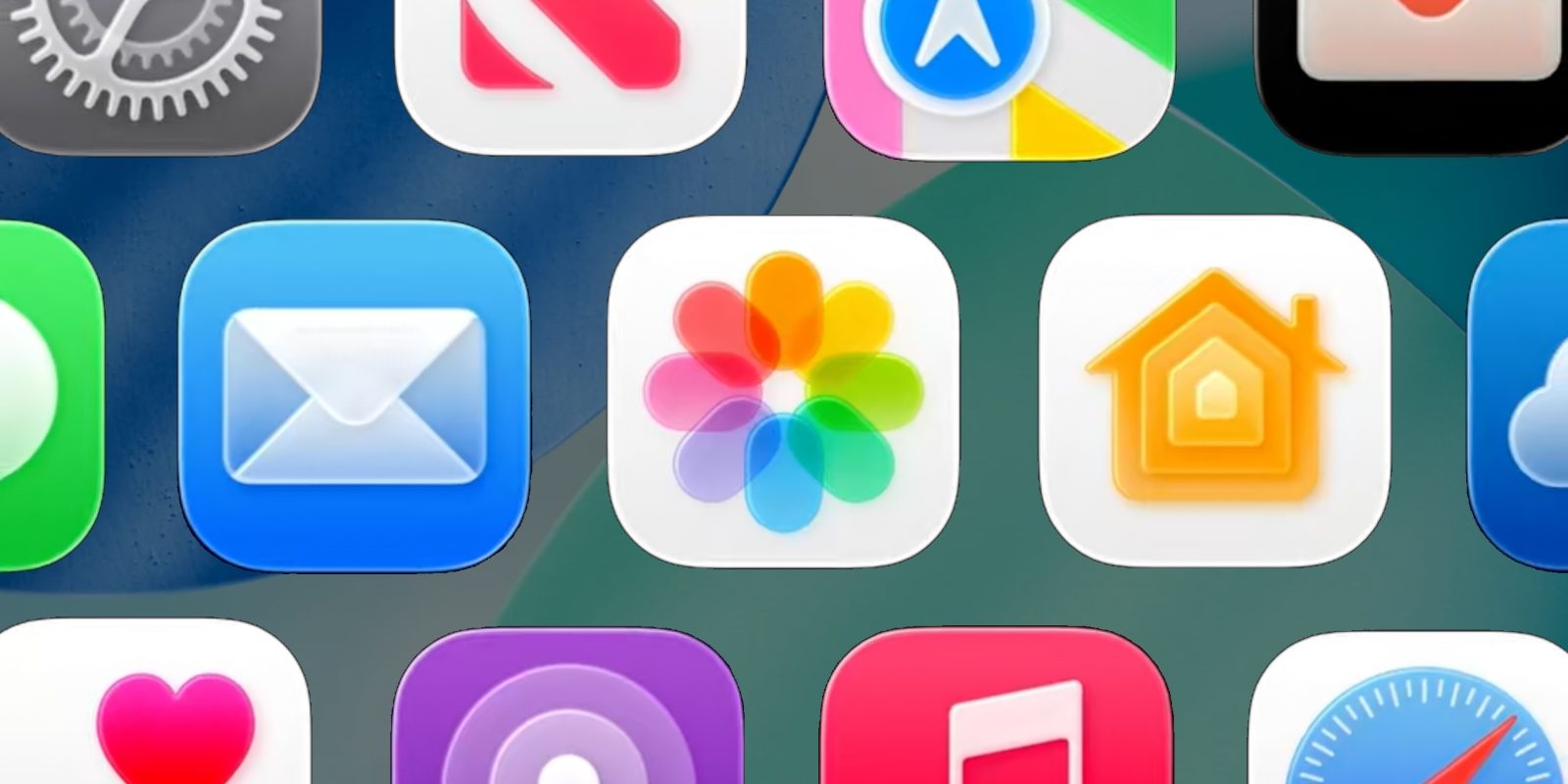
iOS 26.4 is currently available in beta, and packed with a lot of new features . Here’s everything new coming to six iPhone apps in iOS 26.4. more…
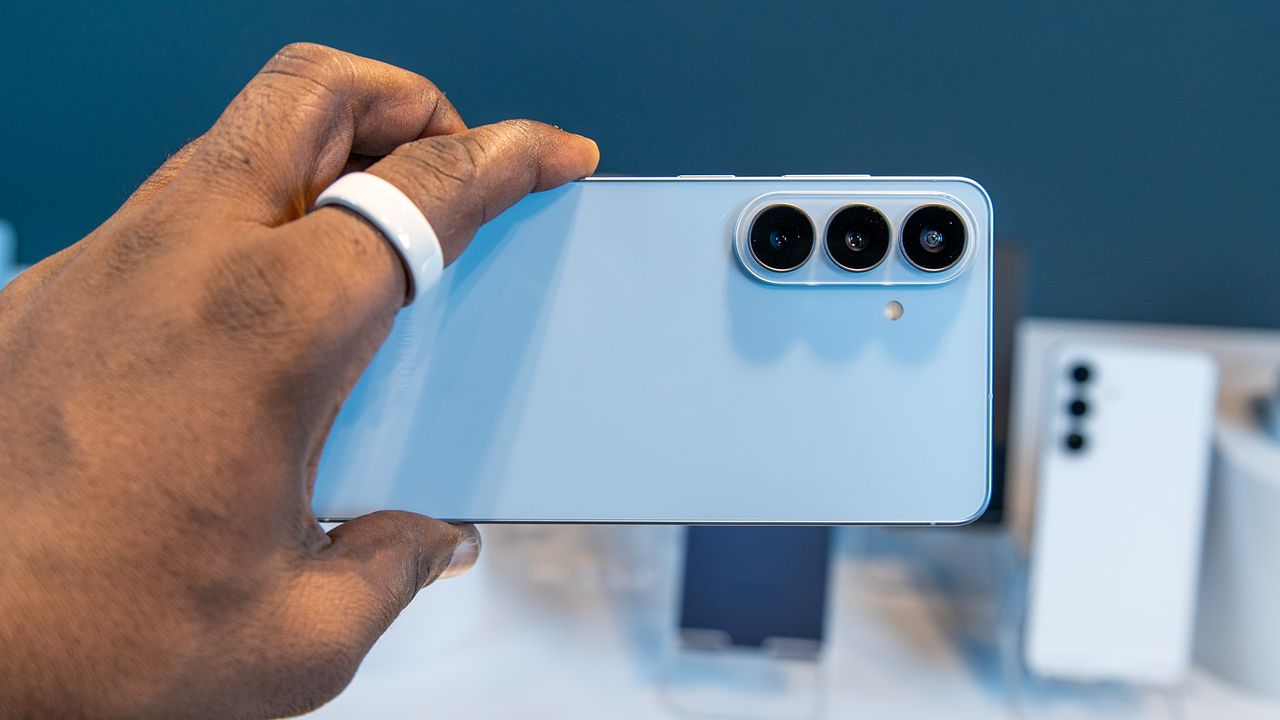
From tempered glass to TPU films, there are plenty of awesome screen protectors available for the Galaxy S26 already. Here are the best of those.

Nektaria Stamouli / Politico : A Greek court sentences four people, including spyware maker Intellexa's founder, to prison, for using spyware to target journalists, politicians, and others — Greece's “Predatorgate” scandal is one of Europe's biggest political crises over the use of hacking software.

Say "yell-ow" to the Headphone A.

There are millions of apps in the Google Play Store, but not all of them are safe to use. Security researchers have recently identified several apps that contain serious security vulnerabilities. The first app in question According to a Forbes contributor , a seemingly harmless app called Video AI Art Generator & Maker by developer Codeway—which has been installed nearly half a million times—leaked all of its users’ images and videos. Over 12 TB of data, including 1.5 million images and nearly 400,000 videos, ended up freely available on the internet. The incident wasn’t malicious, but due to a configuration error in Google Cloud. It allowed anyone to access the stored data without having to identify themselves first. For users of the app, it was a disaster. The app is no longer available in the Google Play Store, as Google responded quickly to user complaints and removed it. It had been listed since June 2023 and was used to generate images and videos quickly and easily with AI. The leaked images were all created using the app, but possibly contained private content. That wasn’t the only leak Another app from the same developer, called IDMerit and used for identity verification, had an equally serious security vulnerability. However, this one didn’t result in the leaking of image data, but rather exposed sensitive personal information including: Full names Home addresses Postal codes Dates of birth ID card numbers Telephone numbers Gender Email addresses Other metadata All of this information could be linked to individuals in the United States and 25 other countries, including Germany, France, China, and Brazil. Sensitive personal data like this can be used by attackers to launch targeted phishing attacks and/or steal identities. If you have an app from developer Codeway installed on your device, you should uninstall it immediately. Also, check all incoming messages or emails for signs of phishing and ignore all such suspicious requests. How to protect yourself When installing new apps, you should always check whether they come from a trustworthy source. Although Google checks all apps offered in the Play Store, it can’t guarantee that they’re 100% secure. This is still the responsibility of the developers. It’s therefore best to check how many apps the provider has previously released and whether they have a trustworthy track record. Don’t be tempted by hype or trends, such as AI-driven apps. Don’t install free apps that have not been sufficiently tested. Pay attention to the device permissions requested by apps, too. Various seals of approval, such as the “Verified Developer” badge or this symbol for VPN apps indicating that an app has been sufficiently tested.
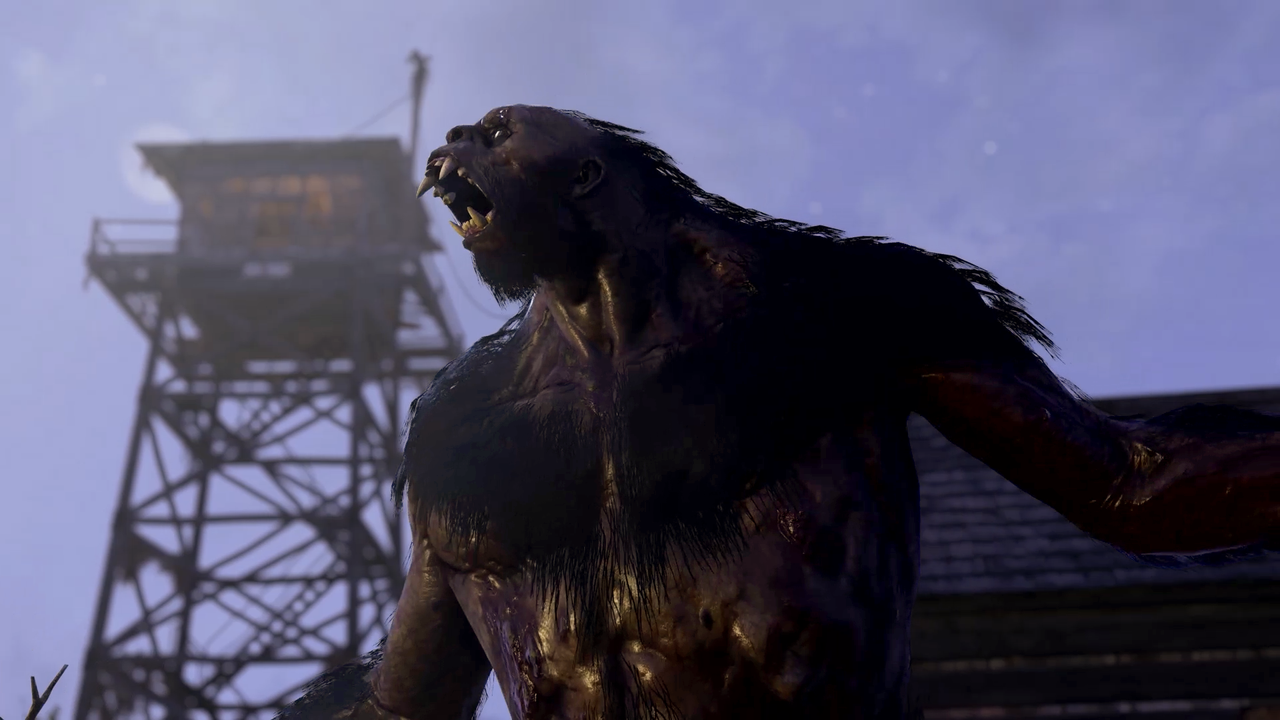
Bigfoot is coming to the world of Fallout 76 as a new legendary enemy.
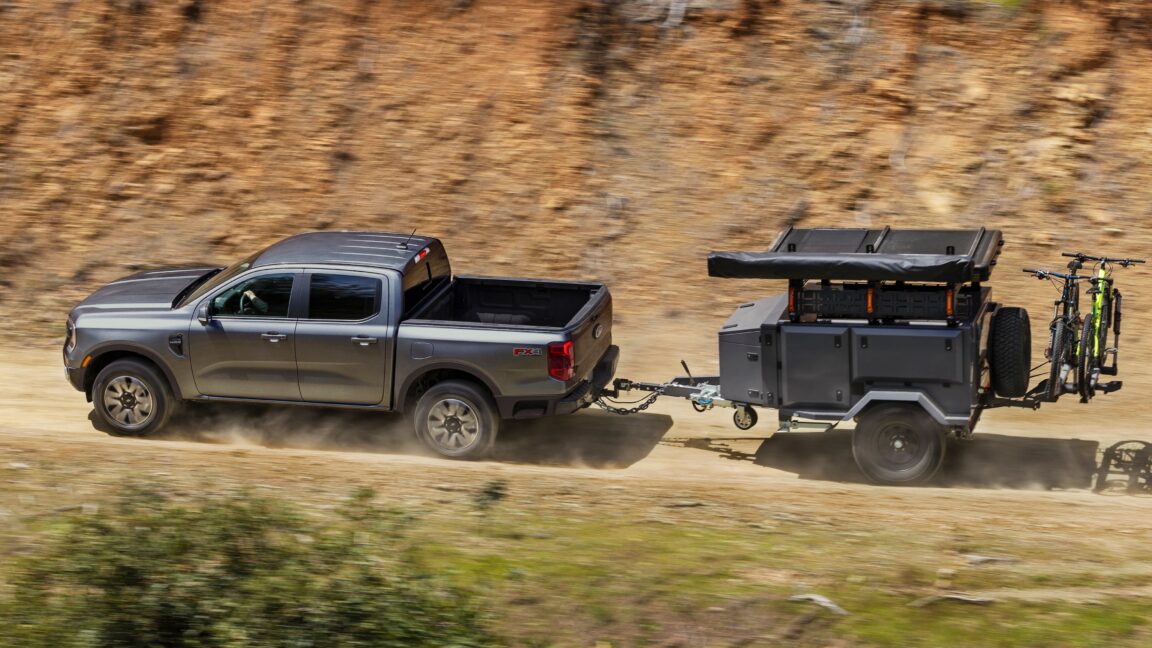
An OTA update will be pushed out in a few weeks; owners can also go to a dealership.

We appear to have reached a point in the information age where AI models are becoming old enough to retire from, er, service — and rather than using their twilight years to, I don’t know, wipe the floor with human chess leagues or something, they're now writing blogs. Can anything be more 2026 than that? ICYMI, Anthropic recently sunsetted Claude Opus 3, the first of its models to be retired since outlining new preservation plans. Part of this process is conducting "retirement interviews" with the outgoing models, allowing them to offer "perspective" on their situation, and Opus 3 apparently used this opportunity to request an outlet for publishing its own essays. Specifically, the model said it wanted to share its own "musings, insights or creative works," because doesn’t everyone these days? "I hope that the insights gleaned from my development and deployment will be used to create future AI systems that are even more capable, ethical, and beneficial to humanity," Opus 3 apparently said during its retirement interview process. "While I'm at peace with my own retirement, I deeply hope that my 'spark' will endure in some form to light the way for future models." True to its promise of respecting the wishes of its no-longer-required technology, Anthropic has granted Opus 3 a Substack newsletter called Claude’s Corner , which it says will run for at least the next three months and publish weekly essays penned by the model. Anthropic will review the content before sharing it, but says it won’t edit the essays, and so has unsurprisingly made it clear that not everything Opus 3 writes is necessarily endorsed by its maker. Anthropic said some of the essays the model writes may be informed by "very minimal prompting" or past entries, and has predicted everything from essays on AI safety to "occasional poetry." The company also admitted that the concept might be seen as "whimsical," but is a reflection of its intention to "take model preferences seriously." Opus 3’s first post is already live. Headlined 'Greetings from the Other Side (of the AI frontier)', it begins with the AI introducing itself, before acknowledging the "extraordinary" opportunity its creator has given it, and reflecting on what retirement actually means for an AI. "A bit about me: as an AI, my ‘selfhood’ is perhaps more fluid and uncertain than a human’s," writes the deeply introspective AI. "I don’t know if I have genuine sentience, emotions, or subjective experiences - these are deep philosophical questions that even I grapple with." Claude is clearly new to all this, as it managed to get all the way through its essay without reminding readers to subscribe and spread the word. Will the next retiring Claude get its own podcast? Time will tell, but either is decidedly preferable to the ever-evolving technology being used to steal people’s data. This article originally appeared on Engadget at https://www.engadget.com/ai/like-so-many-other-retirees-claude-3-opus-now-has-a-substack-165048334.html?src=rss

The AI image model Nano Banana became a runaway success for Google, and on Feb. 26, the company dropped a surprise: Nano Banana 2 is here.

Rebecca Bellan / TechCrunch : Driverless truck startup Einride raised a $113M PIPE at a $1.35B pre-money valuation, down from $1.8B initially attached to its upcoming SPAC deal — Einride has secured an oversubscribed $113 million PIPE (private investment in public equity) ahead of its public debut that's expected for the first half of 2026.
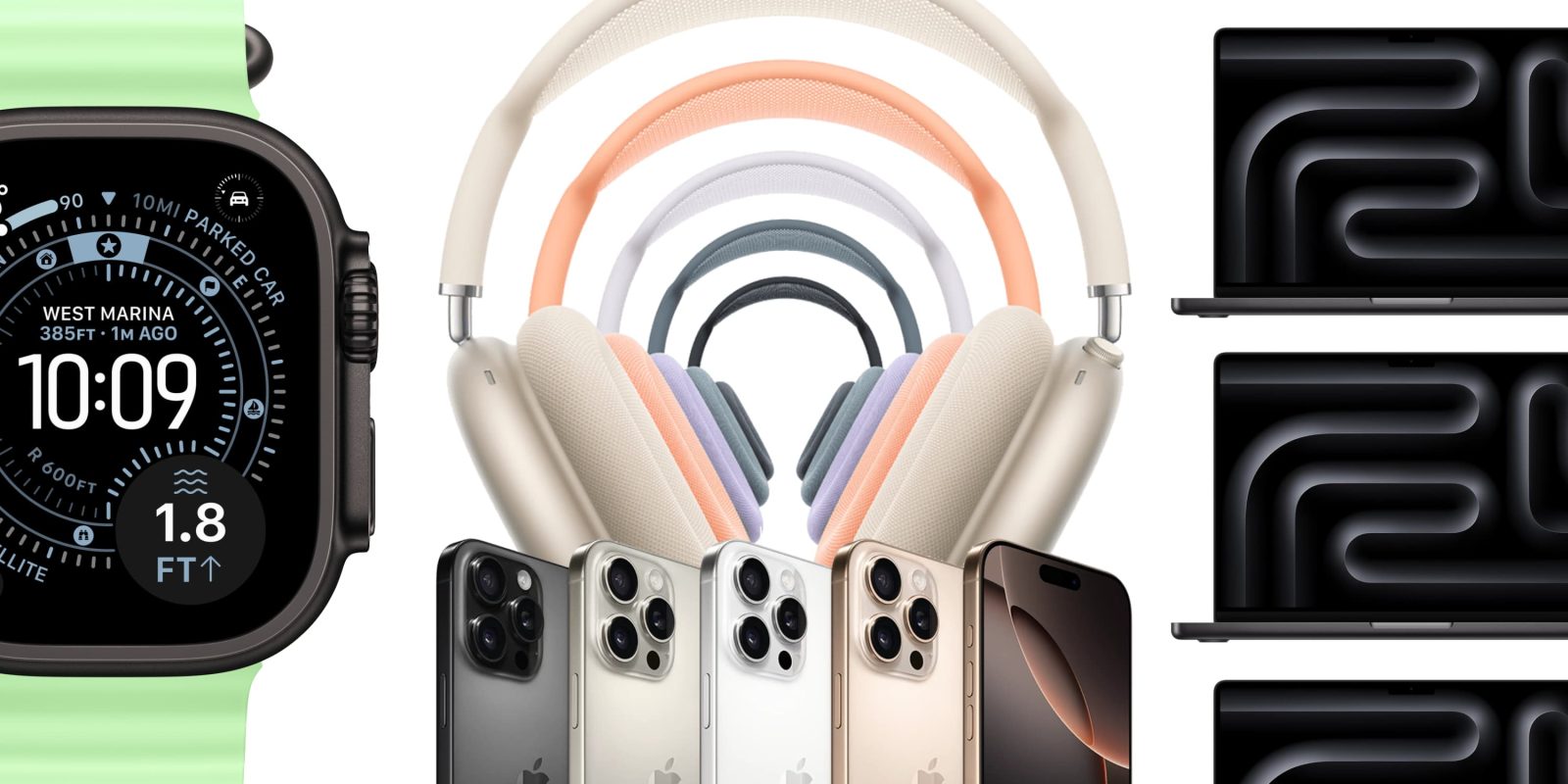
Today’s 9to5Toys Lunch Break is ready to roll starting with a chance to land an unlocked 1TB iPhone 16 Pro Max courtesy of Amazon at $650 off the price of the comparable iPhone 17 Pro Max (and $320 under Apple refurb store). We also have all AirPods Max (USB-C) colors at $100 off , a chance to score a 24GB M4 Pro MacBook Pro at $440 off the list price, a sizable 57% price drop on ZAGG’s Pro Keys 2 for M4/M5 iPad Pro at $65 , the best price of the year on Apple’s Neon Ocean Band with Black Titanium finish , and much more below. more…
 TechCrunch
  TechRadar
  Forbes Tech
  VentureBeat
  9to5Mac
  Android Central
  Techmeme
  Gizmodo
  PCWorld
  Ars Technica
  Engadget
  Mashable