


Opera has turned 30—and is celebrating with a compelling tribute to web nostalgia
It certainly wasn't like this in the old days.
It certainly wasn't like this in the old days.
Benjamin and Chance are back, with a news-packed episode just before an exciting week of Apple hardware launches. But first, iOS 26.4 beta is here, a deep red color is rumored for the iPhone 18 Pro, and Bloomberg details some of the software affordances coming to macOS to support the touch screen MacBook Pro. Also, Samsung surprises with a clever dynamic privacy display on their new flagship phones. And in Happy Hour Plus , the creators of Dark Sky have left Apple to form a new weather app for enthusiasts, Acme Weather. Subscribe at 9to5mac.com/join . Sponsored by Things : The award-winning to-do app, with a fresh look for OS 26, new features, and more. Sponsored by Shopify : See less carts go abandoned and more sales. Sign up for a $1 per month trial at shopify.com/happyhour . Sponsored by Stamps.com : Send from your computer or phone 24/7. Try Stamps.com risk-free for sixty days with code happyhour. Sponsored by NordStellar : Defend your business with NordStellar. Unlock a 10% discount with coupon code nordhappyhour-10 at nordstellar.com/happyhour . more…
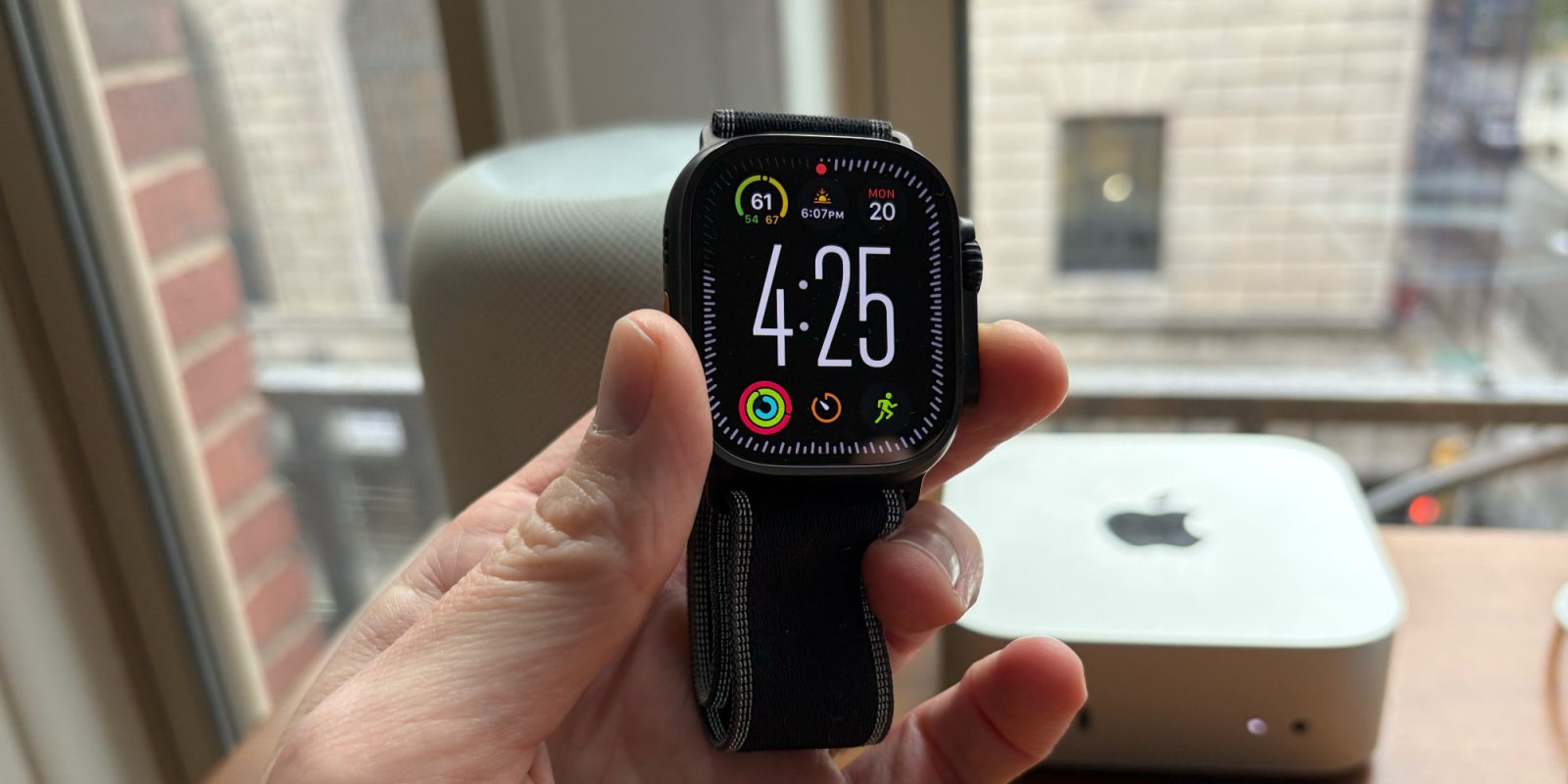
For the first time since 2022, Apple posted year-over-year growth in Apple Watch shipments in 2025, according to new data from Counterpoint Research . Here are the details. more…

The post Don't wait to scoop up this Govee RGBIC floor lamp for $65 appeared first on Android Headlines .

Mark Zuckerberg was at Prada's fashion week event in Milan, leaving everyone to wonder if we're getting Meta AI glasses under the Prada brand.

Kritika Lamba / Reuters : IDC: global smartphone shipments will fall 12.9% YoY to 1.12B units in 2026, the market's largest-ever decline, as surging memory prices drive up device costs — The global smartphone market is poised to suffer its biggest decline ever in 2026, sinking to a more than decade low in shipments …

Apple's mobile devices are secure enough for NATO. Following extensive testing by the German government, the iPhone and iPad are now considered secure enough for the NATO-restricted classified level. Germany's Federal Office for Information Security (Bundesamt für Sicherheit in der Informationstechnik, or BSI) tested the devices. BSI first approved the iPhone and iPad for governmental use by German authorities in 2022. To take the additional step of NATO approval, Apple says BSI conducted exhaustive technical assessments, comprehensive testing and deep security analysis. Unless you work for NATO, this won't mean a thing to you. But at least it appears to bolster some of Apple's marketing claims about security. (As for its privacy claims, well, that depends on which kind you mean .) Apple's press release emphasized that these are the first consumer devices to receive the certification, and they did so without any special software or settings. It applies to iPhones and iPads running iOS 26. "Secure digital transformation is only successful if information security is considered from the beginning in the development of mobile products," BSI president Claudia Plattner is quoted as saying in Apple's press release. "Expanding on BSI's rigorous audit of iOS and iPadOS platform and device security for use in classified German information environments, we are pleased to confirm the compliance under NATO nations' assurance requirements." This article originally appeared on Engadget at https://www.engadget.com/mobile/nato-approves-the-iphone-and-ipad-for-classified-use-200857276.html?src=rss

Researchers from Stanford and Princeton found that Chinese AI models are more likely than their Western counterparts to dodge political questions or deliver inaccurate answers.
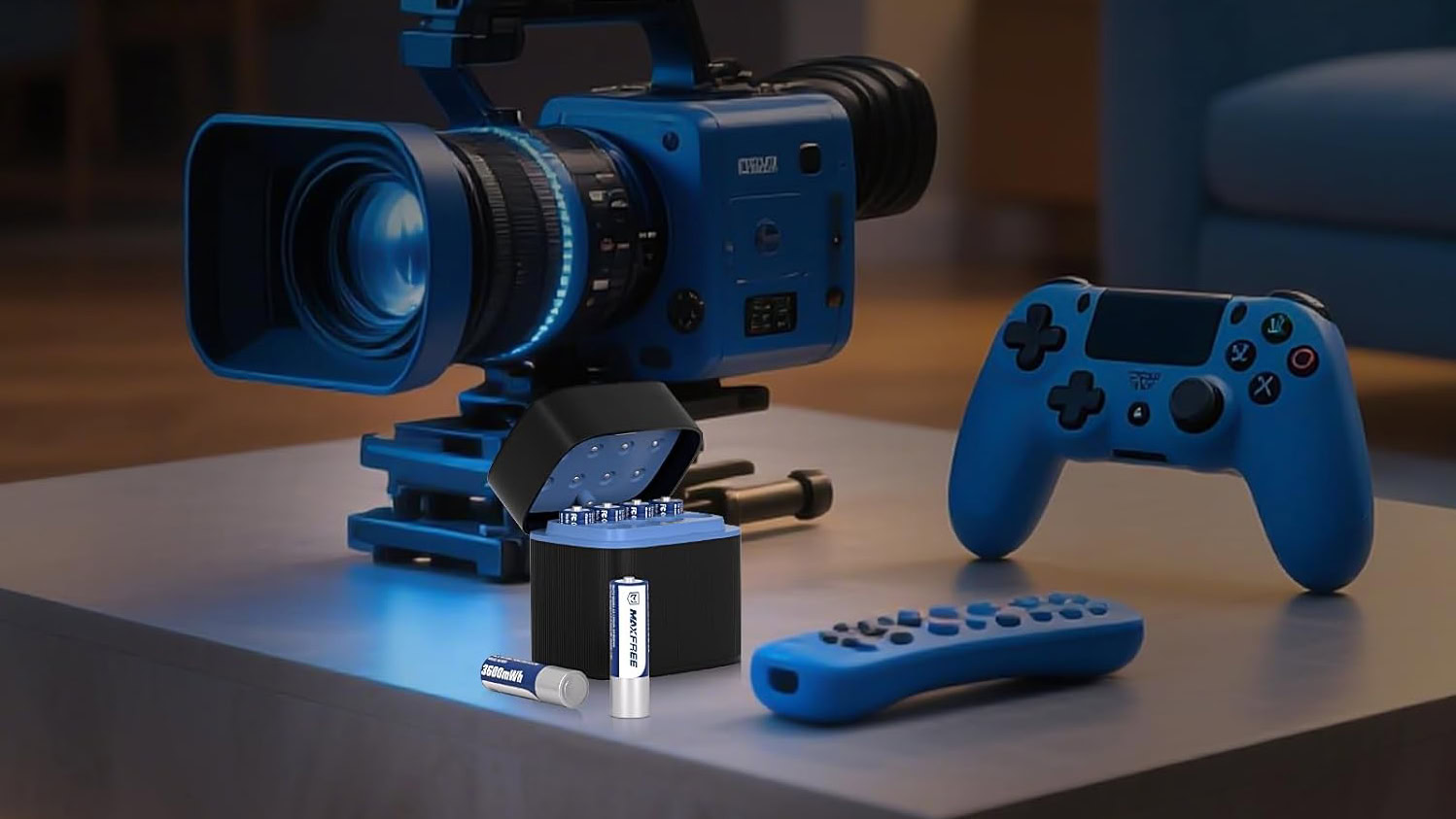
Buy these batteries to stop wasting time and money.

Inspired by the rival Epic Universe, Disney's Villains Land is reportedly becoming a little less evil.

With the Australian Grand Prix around the corner, Apple TV is readying its formal launch of broadcasting Formula 1 in the US, with multi-camera angles, and Eddy Cue teasing "this will be the highest quality."
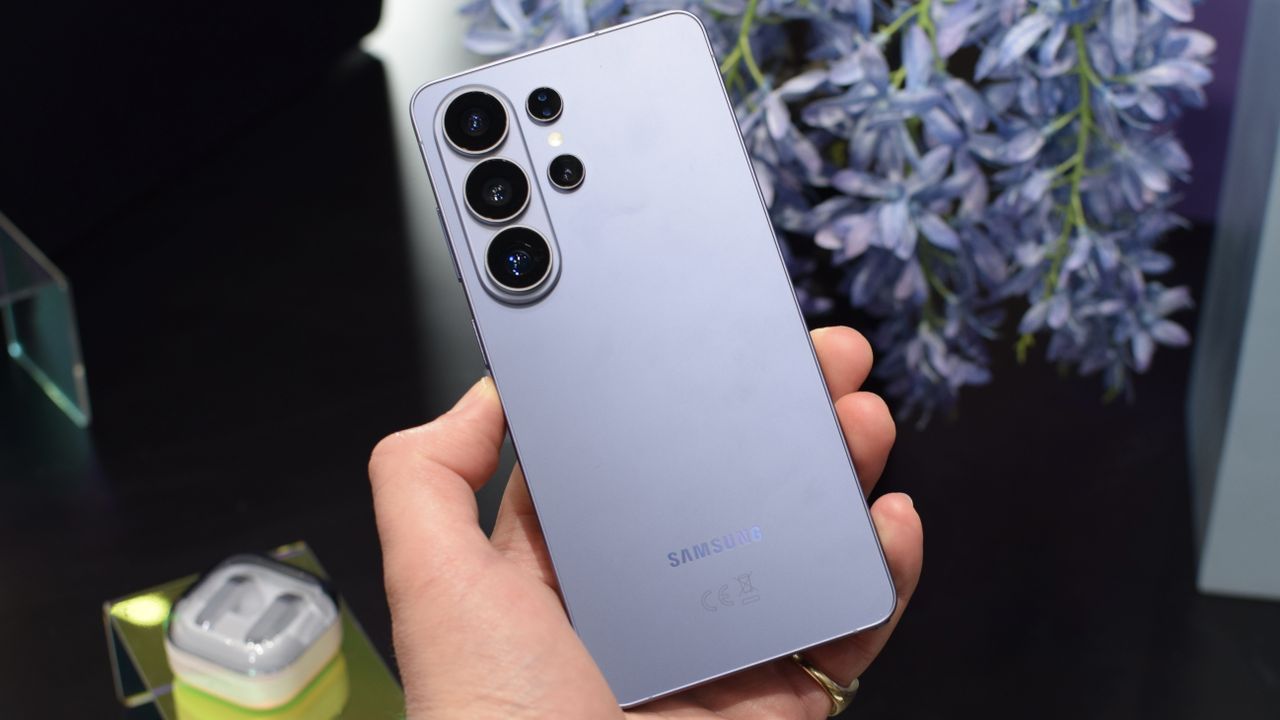
Samsung has spoken about its vision for an AI OS that can help you out without even being asked.
Discord isn't pulling out of its age verification plans, so here's how to delete your account and messages.

The post Sony could end up reverting its PlayStation PC port strategy appeared first on Android Headlines .

The upgraded model adds Pro-level quality with Flash-like speed, including 4K support and better text rendering.
The upgraded model adds Pro-level quality with Flash-like speed, including 4K support and better text rendering.
 Gizmodo
  9to5Mac
  Android Headlines
  TechCrunch
  Techmeme
  Engadget
  WIRED
WIRED  Android Authority
  TechRadar
  Android Central