


Xiaomi 17 and Xiaomi 17 Ultra Go Global With Smaller Batteries, Same Flagship Power
The post Xiaomi 17 and Xiaomi 17 Ultra Go Global With Smaller Batteries, Same Flagship Power appeared first on Android Headlines .
The post Xiaomi 17 and Xiaomi 17 Ultra Go Global With Smaller Batteries, Same Flagship Power appeared first on Android Headlines .
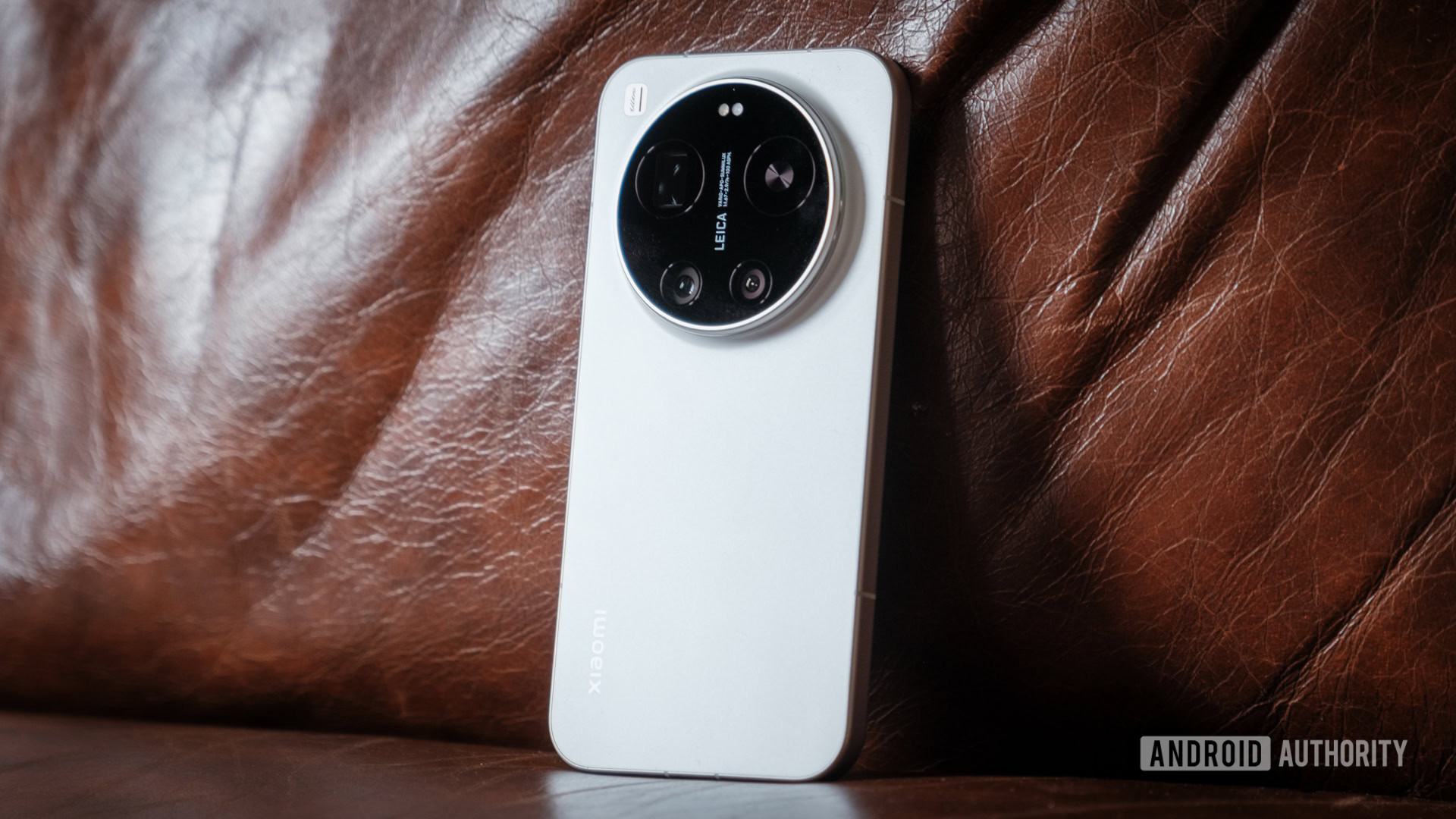
The company also brought its Leica edition Xiaomi 17 Ultra to global markets, albeit with a sky-high price tag.
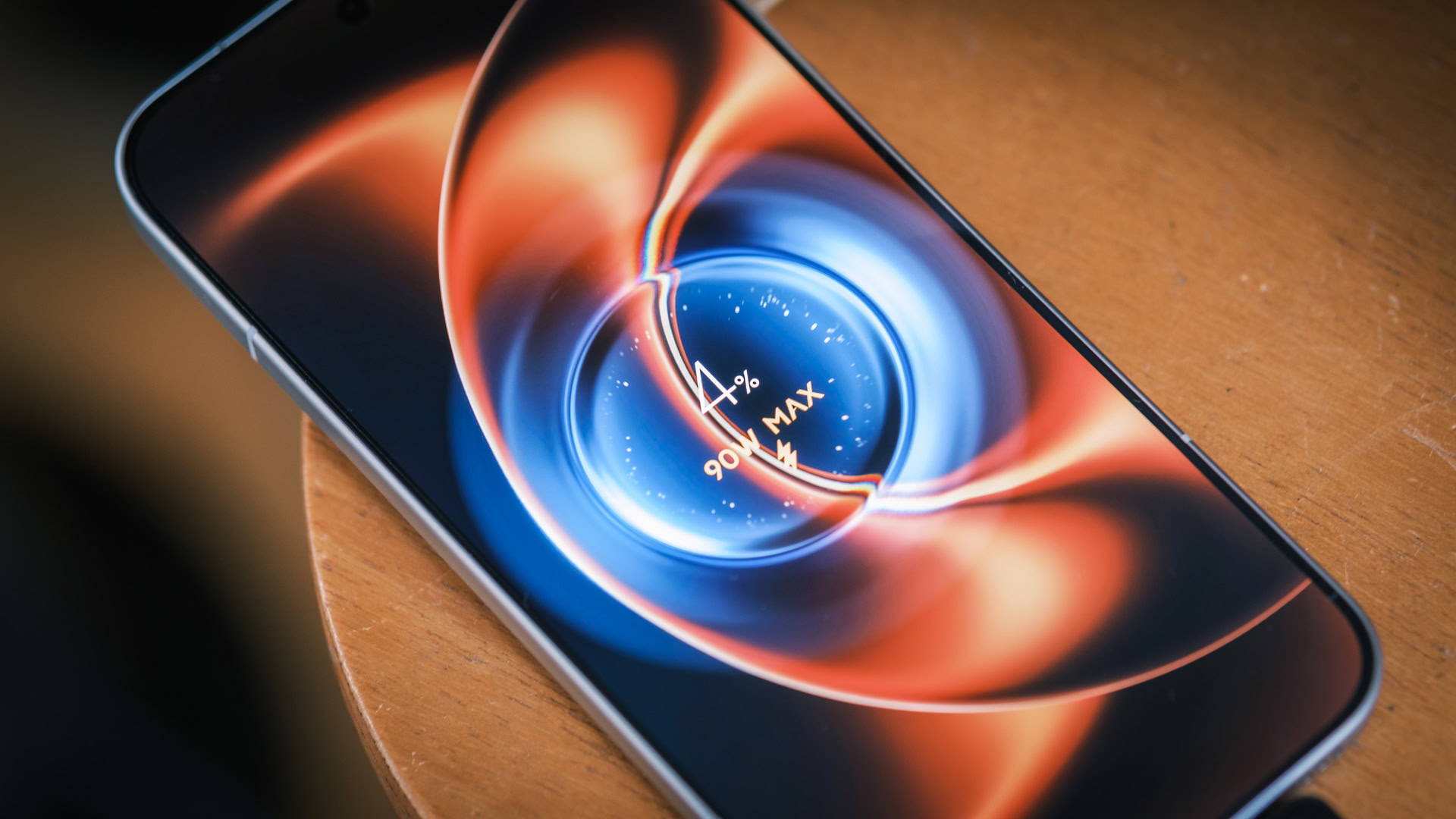
One day Apple, Google, and Samsung will catch up. Won't they?

Xiaomi 17 Ultra is the peak phone for photography enthusiasts.

Here’s a science-inspired and reflective tool to uncover the hidden emotional labor you do before you even say a single word.
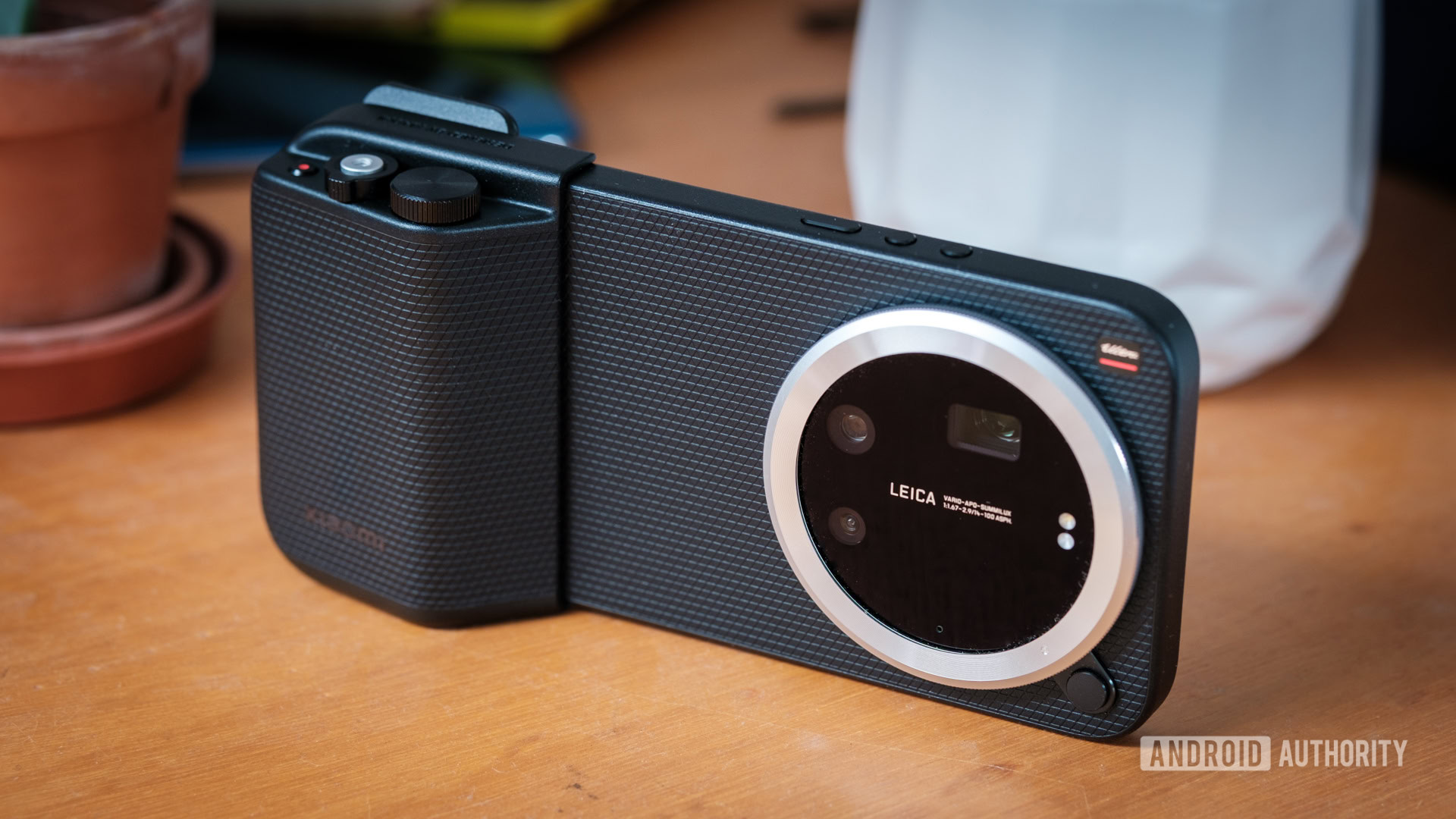
Who needs a mirrorless camera when you can buy Xiaomi's Ultra.

Xiaomi Pad 8 Pro is a dead ringer for Apple's iPad Pro, and that includes the accessories.
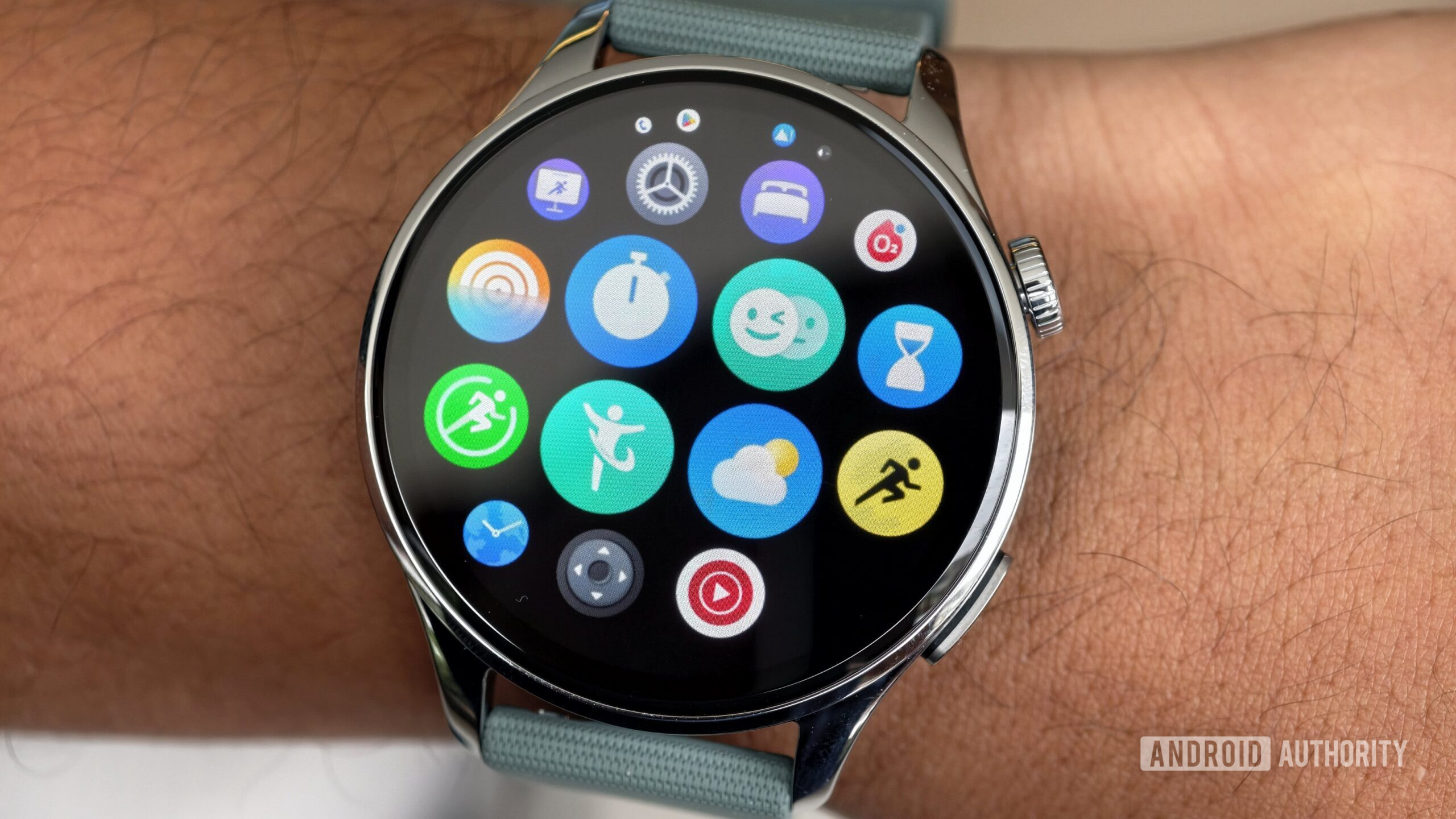
The global Xiaomi Watch 5 is a feature-heavy upgrade focused on hands-free control and AI.

China’s biggest phone makers continue to relentlessly forge ahead with high-spec phones that you may never see in the US. With the Xiaomi 17 Ultra this year, the company has continued its pattern from previous iterations by focusing on powerful camera sensors, huge batteries and… being selective about global availability. Xiaomi’s 17 series is launching across multiple European territories months after its Asia debut, but at the time of writing, no word yet on US availability. Another logistical point of interest? When we last checked out Xiaomi’s devices, it was the 15 series, and the company has decided to skip 16 and leap straight to 17, conveniently matching Apple’s latest number. Storied camera brand Leica has been involved with Xiaomi’s phones for a few years and its newest flagship doesn’t disappoint in that regard , because this is another Xiaomi device dedicated to photography. Image by Mat Smith for Engadget The 17 Ultra has a huge 1-inch 50-megapixel main camera sensor with a f/1.67 lens, and a telephoto setup with a 200MP 1/1.4-inch sensor and going up to 4.3x optical zoom. Xiaomi claims it’s capable of up to 17x “optical-level zoom,” but quality doesn’t measure up to, say, the Oppo Find X9, with its dedicated telescopic lens add-on. There’s also a 50MP ultrawide camera to round things out. The main camera is very impressive, delivering plenty of detail and performing incredibly well in low light, seemingly before any computational photography kicks in. A new Light Fusion 1050L sensor features LOFIC HDR technology, delivering stronger control over highlights and more detail in darker areas of your shots. I've been impressed by the balanced color tone and contrast, without having to edit or add one of the (many) Leica camera filters. If anything, the slightly heavy-handed algorithms can sometimes ruin parts of a shot. For instance, by scrambling lettering or capturing blurry, AI-mutated faces where computational photography takes a swing (and a miss) at people in the distance. Mat Smith for Engadget The telephoto camera alone is also technically interesting in a few ways. It offers continual optical zoom across the 75-100mm range without in-sensor cropping. This means the lenses physically move to deliver lossless zoom across a range of distances, without jarring leaps between camera sensors and crops. This doesn’t run across the full gamut, but it does roughly cover the 3-4x optical zoom range, which is often used in portrait photography. The APO (apochromatic) lens design on the telephoto is more immediately useful and effective. An APO lens significantly reduces chromatic aberration by focusing three wavelengths of light (red, green and blue) onto the same focal plane. This lens design means it can correct color fringing and improve image sharpness. At full optical zoom, this light fitting at Soho Theatre Walthamstow doesn't bloom or fringe to the extent that most smartphone zooms suffer from. Mat Smith for Engadget At higher zoom levels, fringing and lighting bloom often hamper telephoto photos on smartphones, and Xiaomi’s solution has some appeal. I noticed less fringing than on other zoom-capable Android phones from Samsung, Oppo and Google. It also supports macro photography, but is hindered this time by a minimum focal distance of 30cm (11.8 inches). Most smartphone cameras’ macro modes let you get much closer. The 17 Ultra can capture up to 8K video (at 30 fps), 4K Dolby Vision up to 120 fps, and 4K 120 fps Log video, ensuring you can make the most of that huge 1-inch sensor in video, too. That said, it seems to struggle with stabilization at times, while its low-light performance doesn’t match its prowess in still photography, lagging behind flagship phones from Apple, Google and Samsung. There's also a special Leica edition of the 17 Ultra, which is largely the same, specification-wise, but with a manual zoom ring around the camera unit. It's a cool gimmick, but felt oddly loose on a few devices I've handled. Xiaomi made a few design changes to its Ultra line this year, with a new, entirely flat display, and flattened edges that look like a certain family of devices . In fairness, it’s not the only company using imitation as flattery . There’s also IP68 protection against dust and water. While cameras may be the highlight, this is a flagship device by any specification metric. With a 6.9-inch display, this expansive OLED display has variable refresh rates (1-120Hz) and peaks at 3,500 nits of brightness. At that size, the Xiaomi 17 Ultra is in the territory of devices like the iPhone 17 Pro Max and S26 Ultra. A phone this size isn’t for everyone, but it is the thinnest Ultra phone from Xiaomi to date, with a profile measuring 8.29mm. Xiaomi has also reduced the camera unit’s diameter and raised it on the device, making it easier to use and helping keep fingers out of your shots. Image by Mat Smith for Engadget Also, I’d be remiss if I didn’t mention the huge 6,000mAh silicon-carbon battery, with support for Xiaomi’s 90W HyperCharge (if you have the right charger) and 50W wireless HyperCharge (which also requires Xiaomi’s own dock) speeds. Other phone makers: Please put a battery this huge in your flagship. At MWC 2026, the company announced the global launch and rollout of the device across Europe, including the UK where the Ultra will start priced at £1,299 (roughly $1,750). We're still waiting to confirm US availability and pricing. While the specs are powerful, “launching” a flagship device that’s already been in the wild for a few months — even if elsewhere in the world — reduces the spectacle. This article originally appeared on Engadget at https://www.engadget.com/mobile/smartphones/xiaomi-17-ultra-global-launch-hands-on-leica-camera-143006810.html?src=rss

Xiaomi has brought a lot of gadgets to Barcelona. See the latest ones now.
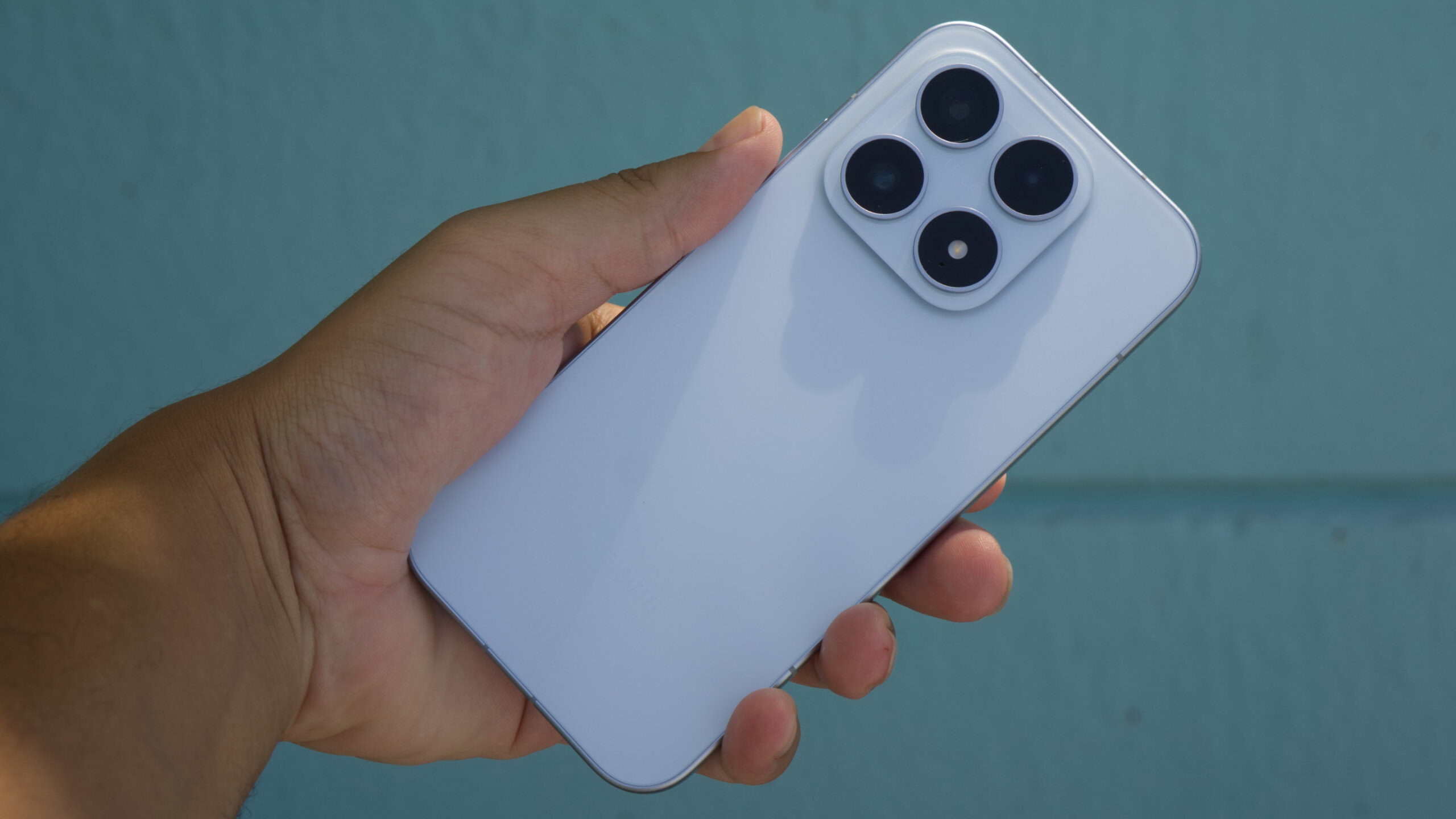
The Xiaomi 17 might be a low point for original design, but do the upgrades make it worth buying?

All the ways to watch Borussia Dortmund vs Bayern Munich live streams online and from anywhere, with Vincent Kompany's side looking to go 11 points clear at the top of the table.
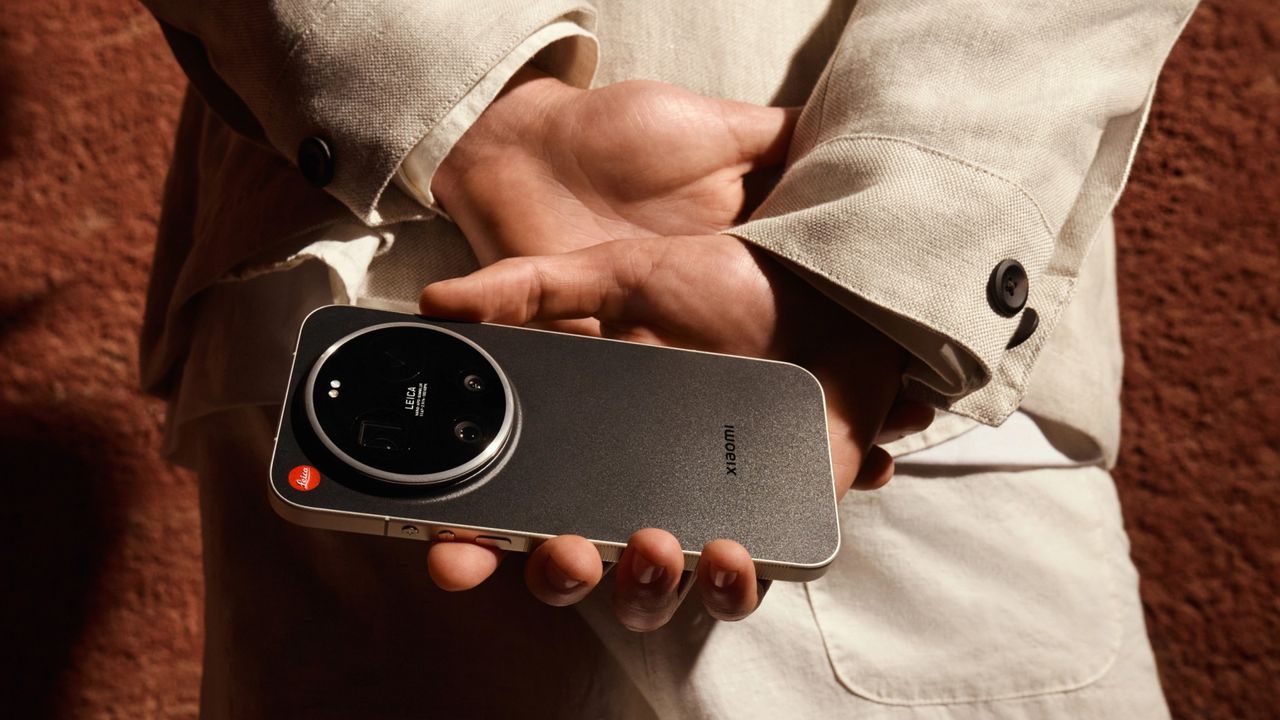
Leica has finally revealed a flagship phone that's available outside of Japan, and it looks like the ultimate phone for photographers.
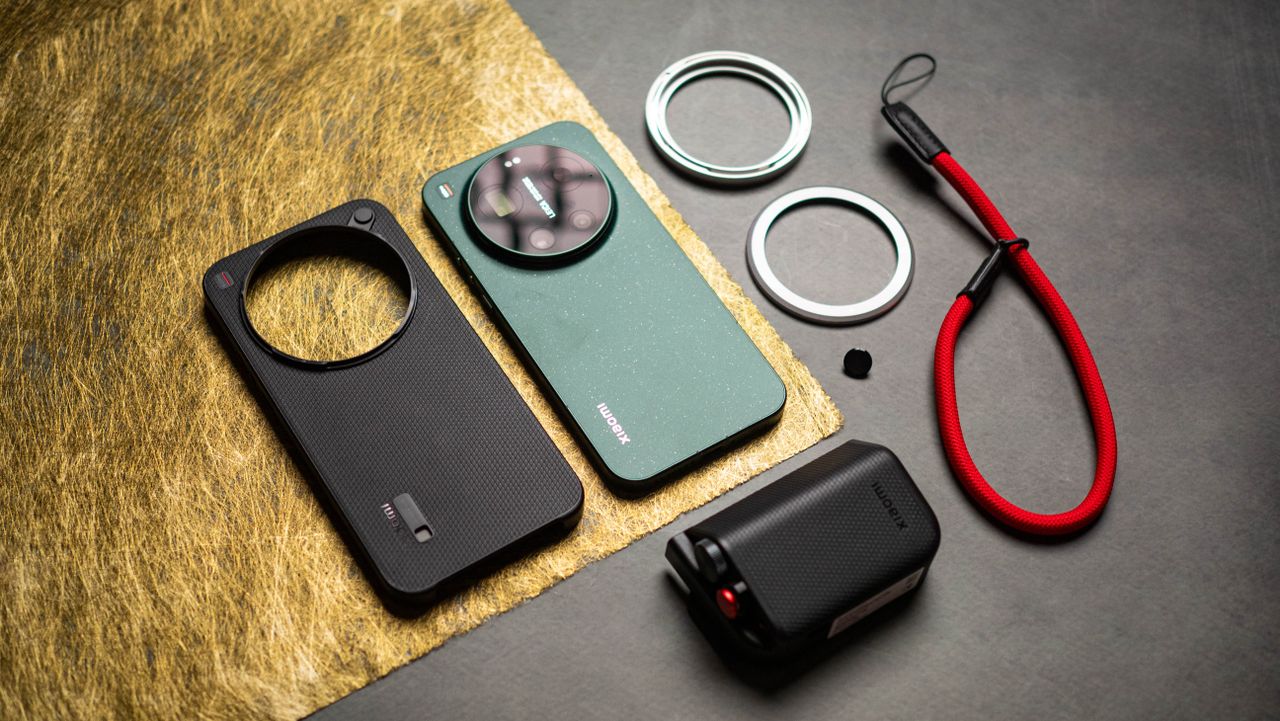
The Xiaomi 17 Ultra just made its global debut, and having used the phone for just over two weeks, I can say with some guarantee that it is a camera and battery powerhouse.
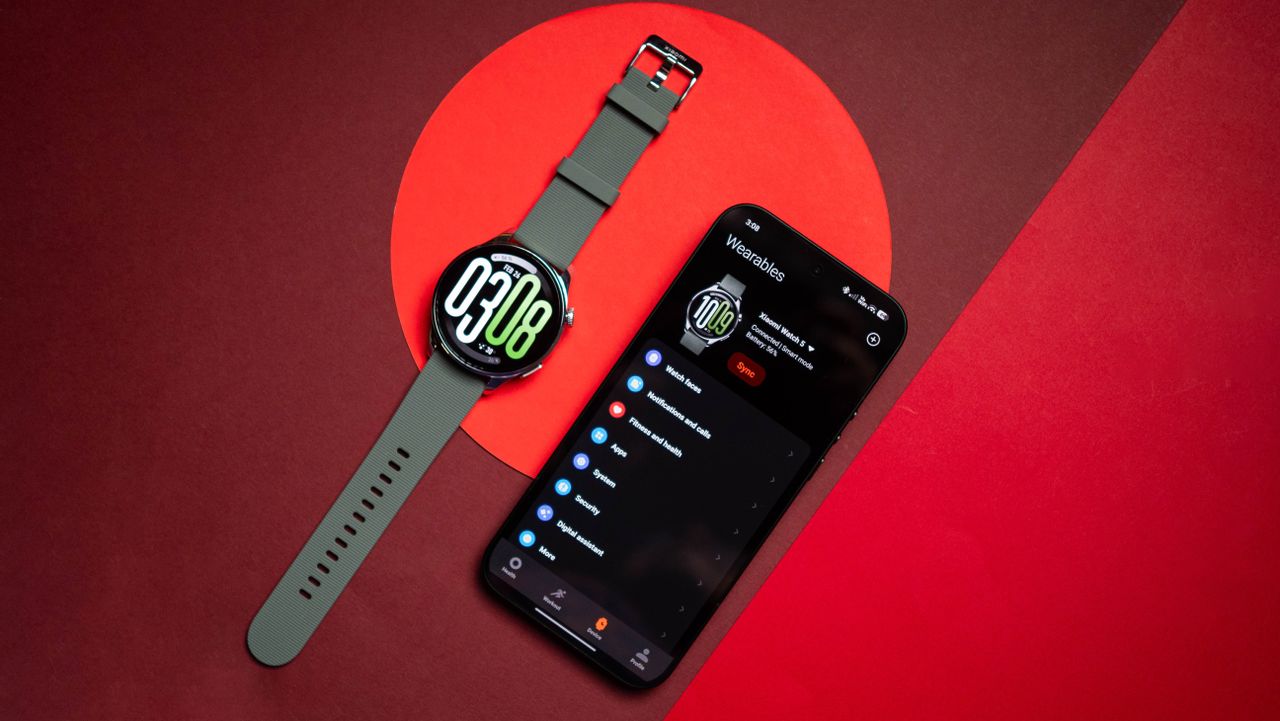
Xiaomi launched the Watch 5 globally, and it gets an infusion of Wear OS. Thanks to a big battery and bold design, this is now my favorite smartwatch.
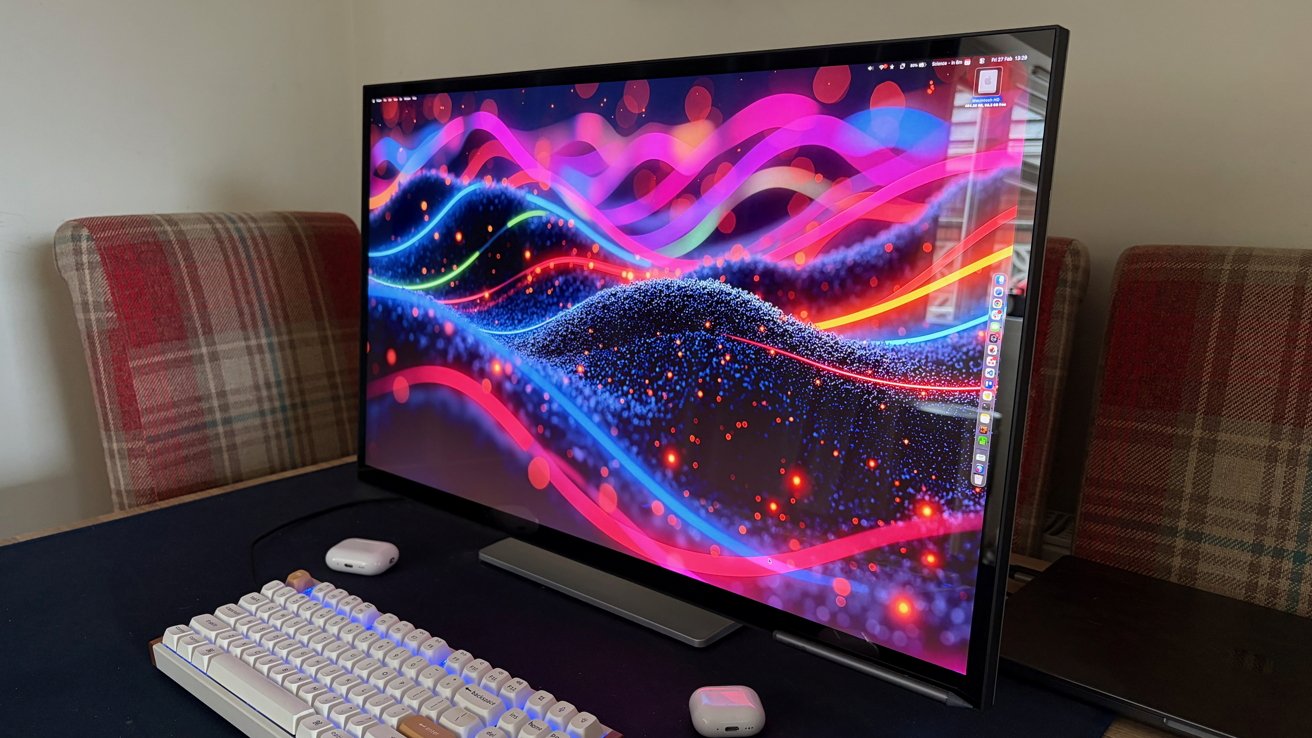
Choosing a high-resolution display for your Mac doesn't mean splashing out on an Apple Pro Display XDR , and the $2,500 Alogic Clarity 6K Touch monitor proves it. Alogic Clarity Touch 6K review: 32 inches makes for a huge canvas At $4,999 before you add a stand, the Pro Display XDR is a beast of a display. Its 32-inch size makes it a great option for productivity and creativity alike, and the 6K resolution makes for Retina-like pinpoint sharpness. Alogic's alternative matches all of those specs. It also measures 32 inches from corner to corner, and its 6K resolution gives it a pixel density of 216 pixels per inch. Continue Reading on AppleInsider | Discuss on our Forums
 Android Headlines
  Android Authority
  Mashable
  Forbes Tech
  Engadget
  TechRadar
  Android Central
  AppleInsider