


Apple’s Delay-Plagued Siri Project Has Also Interfered with Physical Product Releases, Report Says
Siri is more than a disembodied voice. It was reportedly meant to anchor a whole new set of Apple doohickeys.
Siri is more than a disembodied voice. It was reportedly meant to anchor a whole new set of Apple doohickeys.

Will Sinners win big tonight?

The deal comes after Unacademy’s valuation plunged from $3.5B to under $500M, as India’s once-booming edtech sector struggles.

The creator economy spent years telling talent to niche down. Now the creators growing fastest are the ones building content around pop culture moments instead.

Riot Games has revealed the latest Valorant agent to join the roster and they have a very unique grenade ability that can harm and heal.
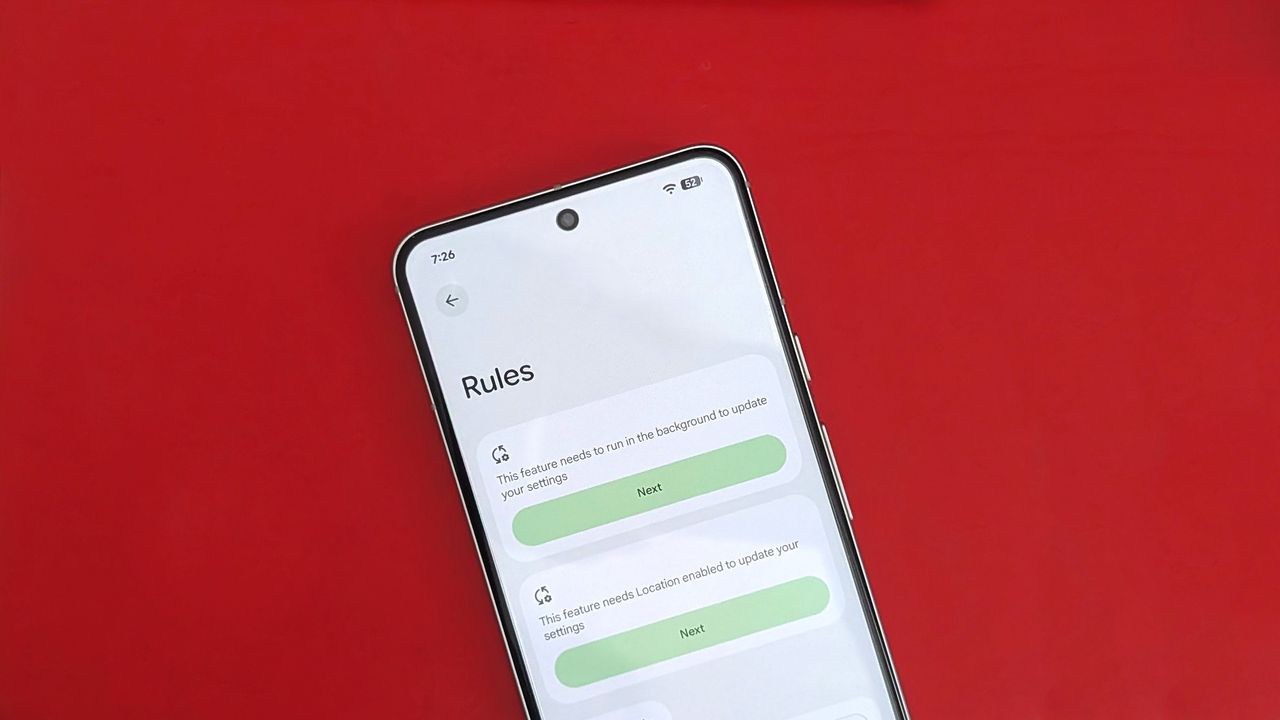
Google never really did away with the Rules feature, but it's become smarter on the Pixel 10. You can use it to create automations on your phone.

Rising RAM prices, CPU cost increases, and tighter chip supply could push mainstream notebook prices nearly 40% higher.

RIG has announced a new gaming headset, the R5 Max HD.

Watch free streams from Indian Wells 2026 in tennis' unofficial fifth slam – Medvedev vs Sinner TV channels, broadcasters and streams.

AI-generated audio is no longer just a consumer scam problem. It is an evidence crisis that courts, insurers and businesses are not prepared for.
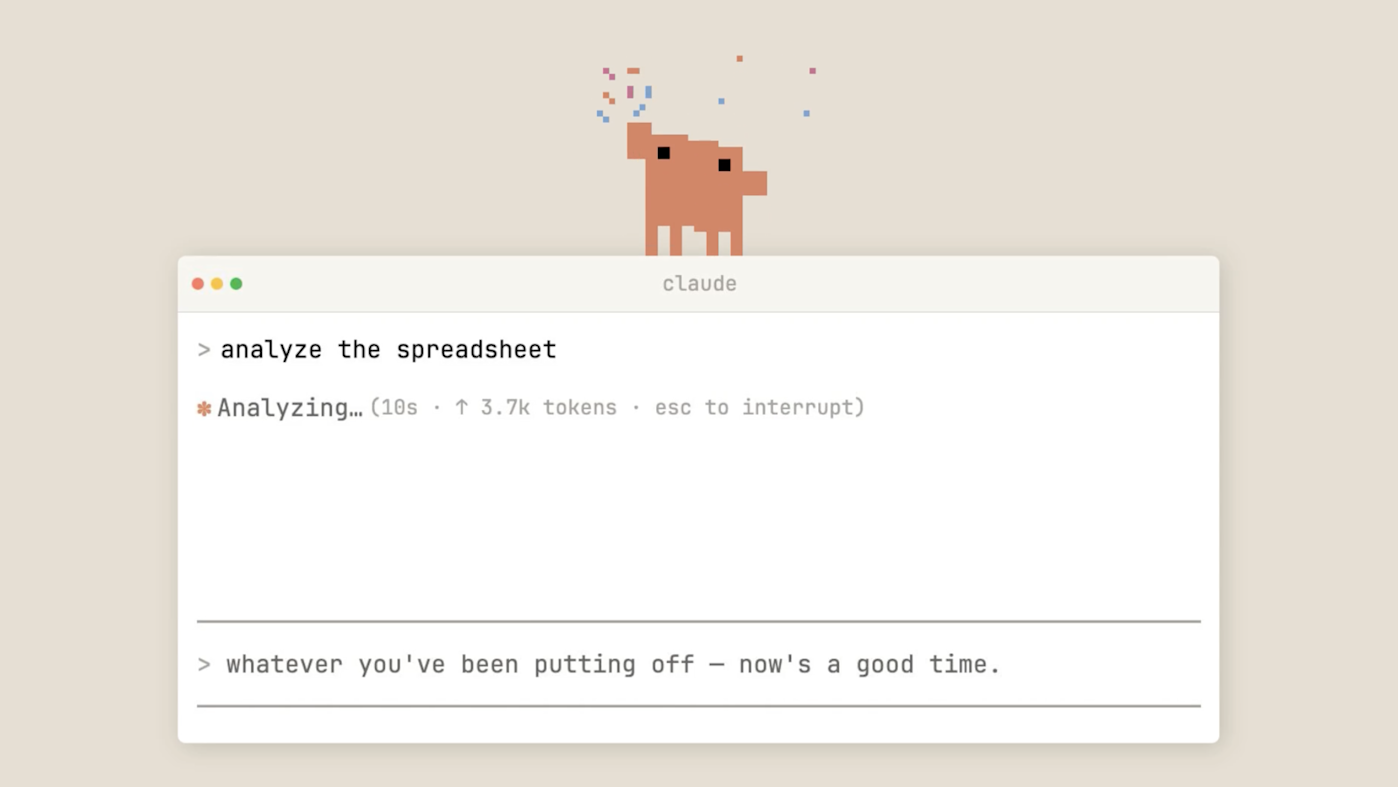
To capitalize on Claude's recent spike in popularity, Anthropic is offering a limited-time promotion that doubles usage limits for anyone using its AI chatbot during off-peak hours. From March 13 to March 27, users on Free, Pro, Max, and Team plans will get double the usage limits in a five-hour window when using Claude outside weekday hours between 8 AM and 2 PM ET. According to Anthropic, the promotion is automatic, and users don't have to enable anything to get the benefits. A small thank you to everyone using Claude: We’re doubling usage outside our peak hours for the next two weeks. pic.twitter.com/W7TEBPditq — Claude (@claudeai) March 14, 2026 Anthropic said that this promotion applies to anyone using Claude on web, desktop or mobile, but also with Cowork, Claude Code, Claude for Excel and Claude for PowerPoint. Previously, Anthropic offered a similar event from December 25 to December 31, doubling usage limits for Pro, Max 5x or Max 20x subscribers. However, Anthropic is targeting an even wider audience with its latest promotion since only Enterprise users are excluded this time around. Anthropic is marketing the promotion as a "small thank you to everyone using Claude," but it's likely tied to its ongoing battle with the Department of Defense. After refusing to remove certain AI safeguards for the Department of Defense, Anthropic was listed as a supply chain risk and lost its contract with the federal agency. In turn, OpenAI signed a deal with the Department of Defense, leading to many users deciding to boycott ChatGPT in favor of Claude and other AI chatbot options. This article originally appeared on Engadget at https://www.engadget.com/ai/anthropic-is-doubling-claudes-usage-limits-during-off-peak-hours-for-the-next-two-weeks-163645928.html?src=rss

Recent reports about AI project failure rates have raised uncomfortable questions for organizations investing heavily in AI. Much of the discussion has focused on technical factors like model accuracy and data quality, but after watching dozens of AI initiatives launch, I’ve noticed that the biggest opportunities for improvement are often cultural, not technical. Internal projects that struggle tend to share common issues. For example, engineering teams build models that product managers don’t know how to use. Data scientists build prototypes that operations teams struggle to maintain. And AI applications sit unused because the people they were built for weren't involved in deciding what “useful” really meant. In contrast, organizations that achieve meaningful value with AI have figured out how to create the right kind of collaboration across departments, and established shared accountability for outcomes. The technology matters, but the organizational readiness matters just as much. Here are three practices I’ve observed that address the cultural and organizational barriers that can impede AI success. Expand AI literacy beyond engineering When only engineers understand how an AI system works and what it’s capable of, collaboration breaks down. Product managers can't evaluate trade-offs they don't understand. Designers can't create interfaces for capabilities they can't articulate. Analysts can't validate outputs they can't interpret. The solution isn't making everyone a data scientist. It's helping each role understand how AI applies to their specific work. Product managers need to grasp what kinds of generated content, predictions or recommendations are realistic given available data. Designers need to understand what the AI can actually do so they can design features users will find useful. Analysts need to know which AI outputs require human validation versus which can be trusted. When teams share this working vocabulary, AI stops being something that happens in the engineering department and becomes a tool the entire organization can use effectively. Establish clear rules for AI autonomy The second challenge involves knowing where AI can act on its own versus where human approval is required. Many organizations default to extremes, either bottlenecking every AI decision through human review, or letting AI systems operate without guardrails . What's needed is a clear framework that defines where and how AI can act autonomously. This means establishing rules upfront: Can AI approve routine configuration changes? Can it recommend schema updates but not implement them? Can it deploy code to staging environments but not production? These rules should include three elements: auditability (can you trace how the AI reached its decision?), reproducibility (can you recreate the decision path?), and observability (can teams monitor AI behavior as it happens?). Without this framework, you either slow down to the point where AI provides no advantage, or you create systems making decisions nobody can explain or control. Create cross-functional playbooks The third step is codifying how different teams actually work with AI systems. When every department develops its own approach, you get inconsistent results and redundant effort. Cross-functional playbooks work best when teams develop them together rather than having them imposed from above. These playbooks answer concrete questions like: How do we test AI recommendations before putting them into production? What's our fallback procedure when an automated deployment fails – does it hand off to human operators or try a different approach first? Who needs to be involved when we override an AI decision? How do we incorporate feedback to improve the system? The goal isn't to add bureaucracy. It's ensuring everyone understands how AI fits into their existing work, and what to do when results don't match expectations. Moving forward Technical excellence in AI remains important, but enterprises that over-index on model performance while ignoring organizational factors are setting themselves up for avoidable challenges. The successful AI deployments I’ve seen treat cultural transformation and workflows just as seriously as technical implementation. The question isn't whether your AI technology is sophisticated enough. It's whether your organization is ready to work with it. Adi Polak is director for advocacy and developer experience engineering at Confluent.

Nathan Fillion and the rest of the gang want to bring back 'Firefly' as an animated series, but without Joss Whedon at the helm.

Welcome back to TechCrunch Mobility — your central hub for news and insights on the future of transportation.

macOS Tahoe is here, and it's bringing a whole host of fantastic new features. Here are my favorites.

The Geely EX5 joins the flood of midsize electric SUVs from China into the European market. It has quality on its side, but is it different enough to rise over the crowd?
 Gizmodo
  TechCrunch
  Forbes Tech
  Android Central
  TechRadar
  Engadget
  VentureBeat