


How to watch 2026 March Madness online for free
How to watch March Madness for free. Live stream 2026 March Madness for free from anywhere in the world.
How to watch March Madness for free. Live stream 2026 March Madness for free from anywhere in the world.
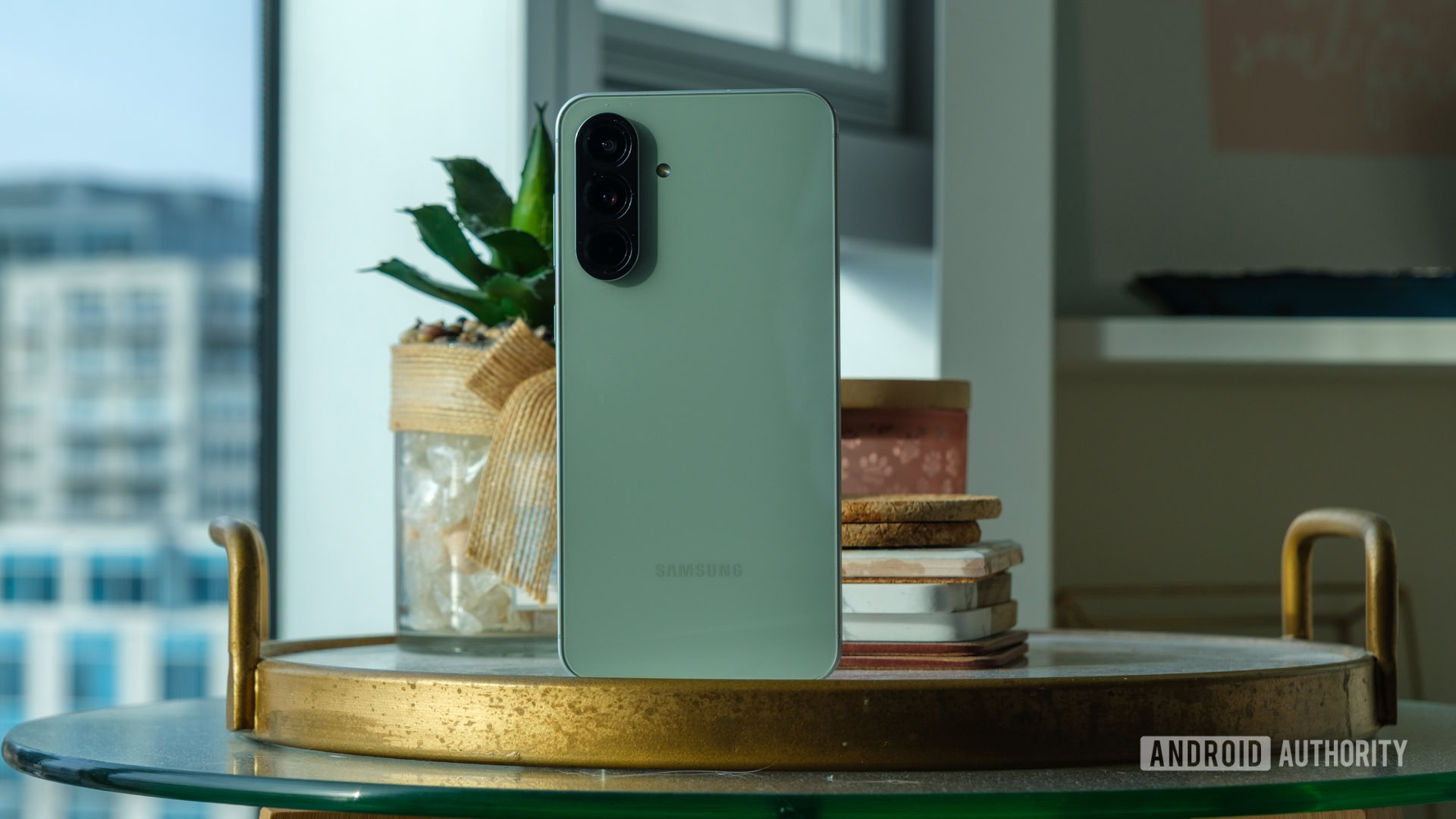
Galaxy A57 leak reveals a thinner design and a bigger vapor chamber.

North Korean threat actors have been observed sending phishing to compromise targets and obtain access to a victim's KakaoTalk desktop application to distribute malicious payloads to certain contacts. The activity has been attributed by South Korean threat intelligence firm Genians to a hacking group referred to as Konni. "Initial access was achieved through a spear-phishing email disguised as a

Sam Clark / Politico : EU countries introduce sanctions on hacking groups, including Iran's Emennet Pasargad, which hacked magazine Charlie Hebdo in 2023, and two Chinese companies — Countries impose measures on Iranian, Chinese companies providing hacking services. — BRUSSELS — European Union countries …
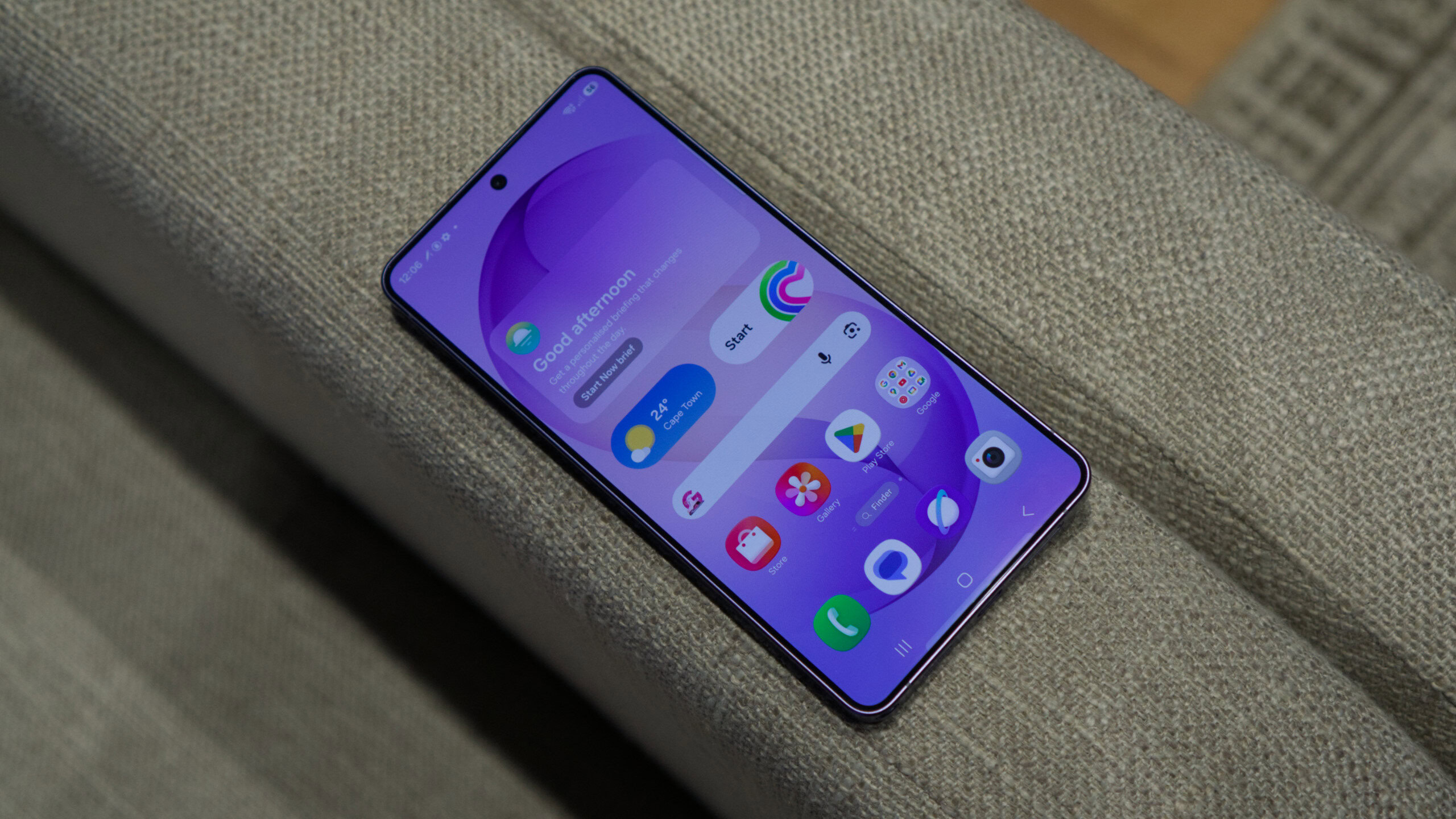
You don't have to create two scans for one fingerprint anymore.

NVIDIA CEO Jensen Huang dazzles GTU keynote crowds with optimistic AI projections. But AI agents are key to the whole thing.
You might soon be able to create different branches of the same chat in Gemini.

Arno Schütze / Bloomberg : Berlin-based Upvest, which builds trading APIs for neobanks and retail lenders, raised $90M in equity, sources say at a $735M valuation, up from ~$413M in 2024 — German fintech Upvest, which supplies brokerage technology to neobanks such as Revolut and to retail lenders …
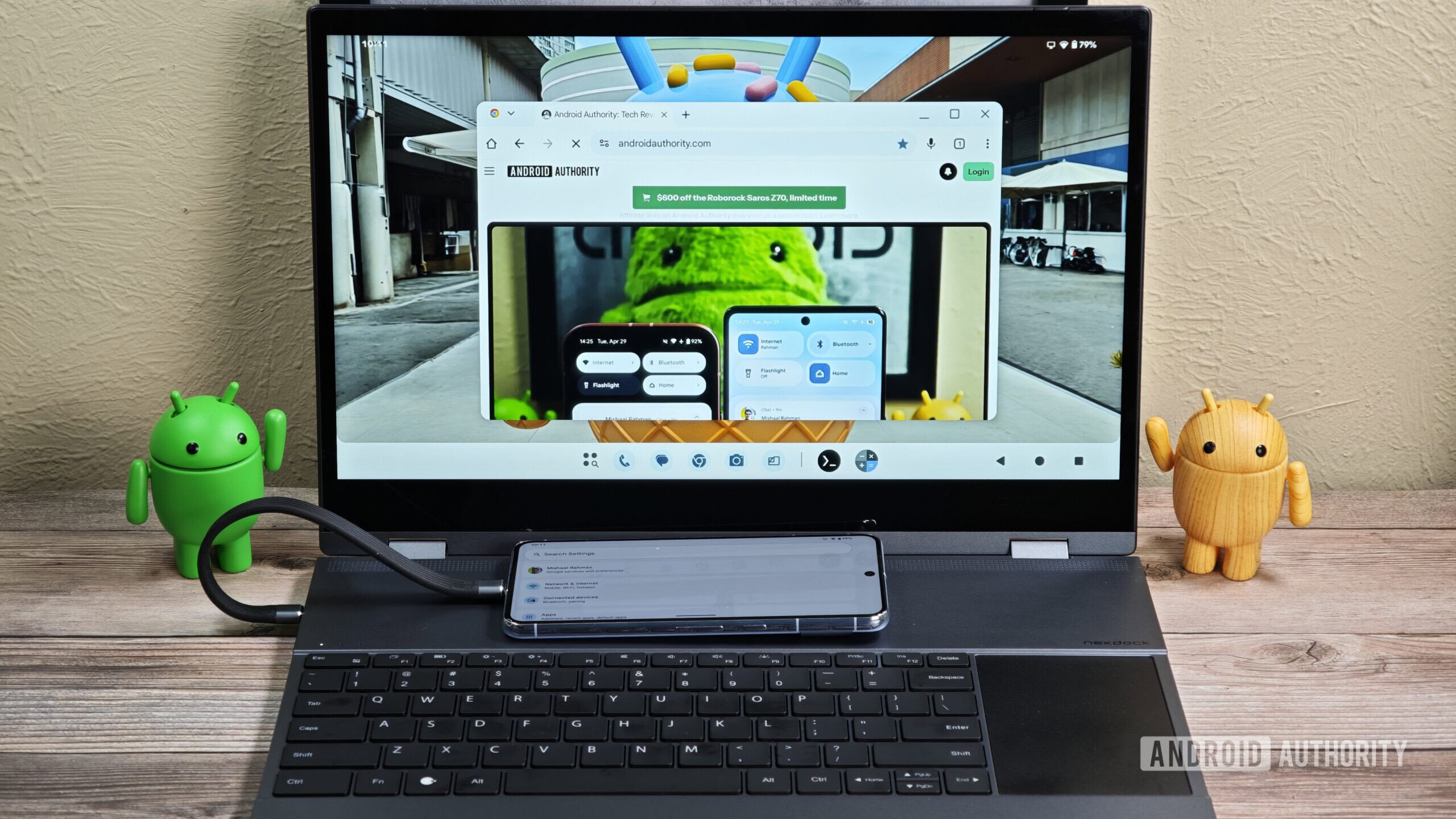
Onboarding will tease some helpful keyboard shortcuts.

It used to be common wisdom that leaving your phone charging overnight degrades the battery. But handset design has evolved to mitigate the harm caused by constant charging.

Dell has refreshed its Precision lineup with four new laptops across two tiers and two screen sizes, all powered by Intel's latest processors and NVIDIA's newest Blackwell graphics. The post Dell revives Precision laptop line with a sleeker design and serious power boost appeared first on Digital Trends .

Want to know when the next Honkai: Star Rail update is? Thanks to official livestreams providing banner and event details for each new patch, we usually know well in advance what's awaiting us in the new version of Star Rail. Each new update for Honkai: Star Rail brings new banners to pull on, events to take part in, and a new Trailblaze Mission to move the story along, with future patches set on Planarcadia for the foreseeable future, a planet with ties to Aha and the path of Elation. Plus, we usually get some sort of update to the Divergent Universe, Currency Wars, or other endgame combat mode in every patch. The current update is version 4.0, the next will be version 4.1, and this page explains everything we know about both the current and next updates in Honkai: Star Rail. Table of Contents [ hide ] When is the next Honkai Star Rail update? When is the next Honkai Star Rail update? The next Honkai: Star Rail update is on Wednesday, March 25 . This is the version 4.1 update that introduces new character Ashveil. Breaking tradition, 4.1 will only run for four weeks instead of six, as 4.0 was delayed by two weeks, and HoYo needs to make up time for 4.2--the anniversary patch celebrating three years since Star Rail's release. Continue Reading at GameSpot

How to watch World Baseball Classic for free. Live stream Venezuela vs. USA in the 2026 World Baseball Classic final online for free.
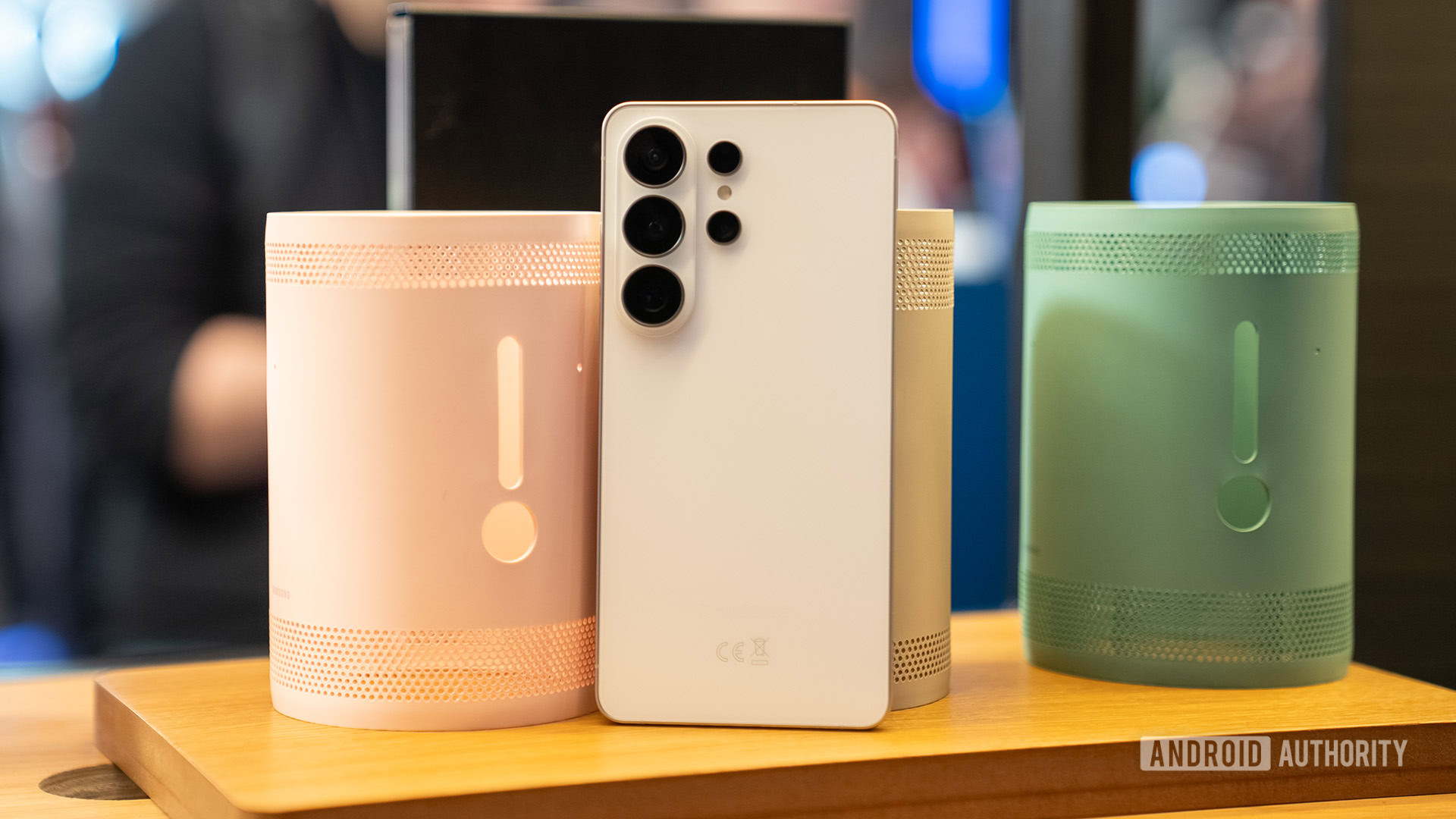
Tucked inside the Expert Raw app, Samsung's new Virtual Reflector mimics professional gear to fix tricky backlit shots.
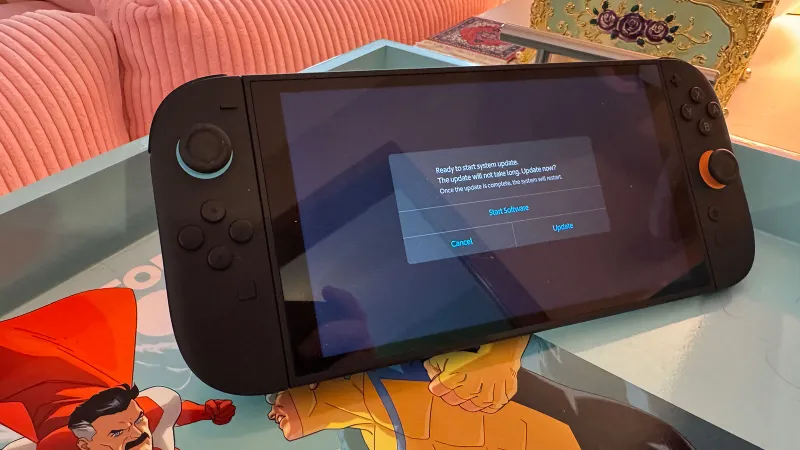
Nintendo released firmware updates for both Switch and Switch 2 last night, version 22.0.0 on both platforms, and they add a few interesting features. The headline feature is that Switch games running on Switch 2 can now be run in "Handheld Boost Mode". On Switch, games played in handheld mode run at 720p, but in docked or TV mode, they run at 1080p. This new Switch 2 setting allows Switch games to basically run in TV mode while playing handheld on Switch 2, boosting their resolution to 1080p. There are some asterisks, though. The setting screen for turning on Handheld Boost Mode on Switch 2 Since the games are being tricked into running in TV mode, "some instructions may be incorrect or fail to operate correctly." The mode also means that the touchscreen will not work. "Handheld Mode Boost may prevent Nintendo Switch software from using the system's touch screen, and will cause attached Joy-Con 2 controllers to be treated as a Nintendo Switch 2 Pro." It's also worth noting that this mode must be turned on manually. It is not turned on automatically by default following the update. You can read more about that specific update here . You can also now add notes about the people on your friends list, but don't worry – they won't see the notes. Other updates include some menu animation changes, GameChat improvements, rewind and fast-forward options for eShop trailers, improved accessibility options, and more. You can read the full list of updates here . And you can read about the Switch updates here, which are fewer, but also include the ability to add notes about your friends.
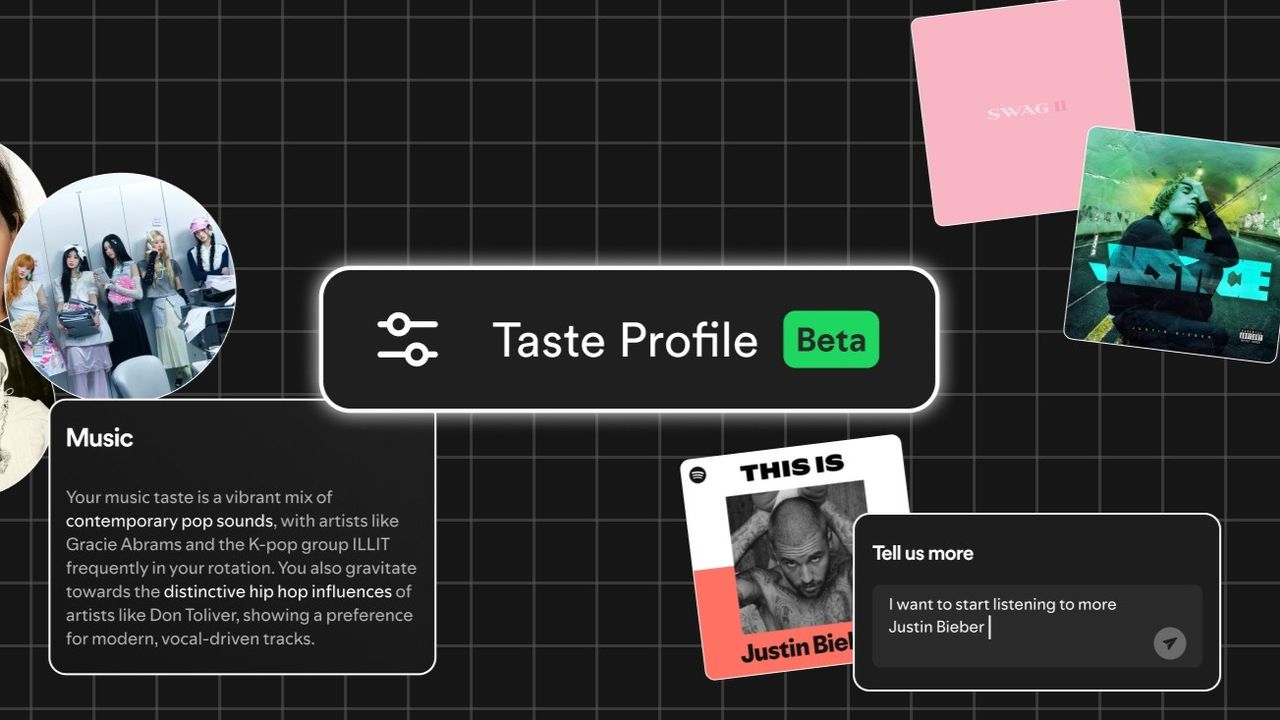
Your musical tastes can change, and Spotify is giving you the keys to drive that ship wherever it might lead you with this beta.
 Mashable
  Android Authority
  The Hacker News
  Techmeme
  WIRED
WIRED  Digital Trends
  GameSpot
  Game Informer
  Android Central