


Breaking Down the Secrets of the ‘Spider-Man: Brand New Day’ Trailer
Our first look at the next 'Spider-Man' film is jam-packed with nods to the comics—and some very interesting stories it could be taking inspiration from.
Our first look at the next 'Spider-Man' film is jam-packed with nods to the comics—and some very interesting stories it could be taking inspiration from.

The post Samsung Is Ditching Its Own Displays for Cheaper Chinese Panels on These Galaxy Phones appeared first on Android Headlines .

iPhone 18 Pro and Pro Max are just six months away, and rumors indicate they’ll get at least one camera upgrade that’s exclusive to the Pro line. more…

Mike Isaac / New York Times : Sources: several tech companies, including OpenAI, are encouraging the DOD behind the scenes to back away from designating Anthropic a “supply chain risk” — Tech companies have been reluctant to directly confront Trump administration officials over their contract feud with the A.I. start-up.

An AI version of Val Kilmer will star in 'As Deep As The Grave.'

From summarizing emails, drafting content, organizing data, and tracking meetings, here are all the best Gemini features in Google Workspace.

Save 20% on Autodesk's most popular software including AutoCAD, AutoCAD LT, Revit LT Suite, 3ds Max, Maya, and Flow Studio
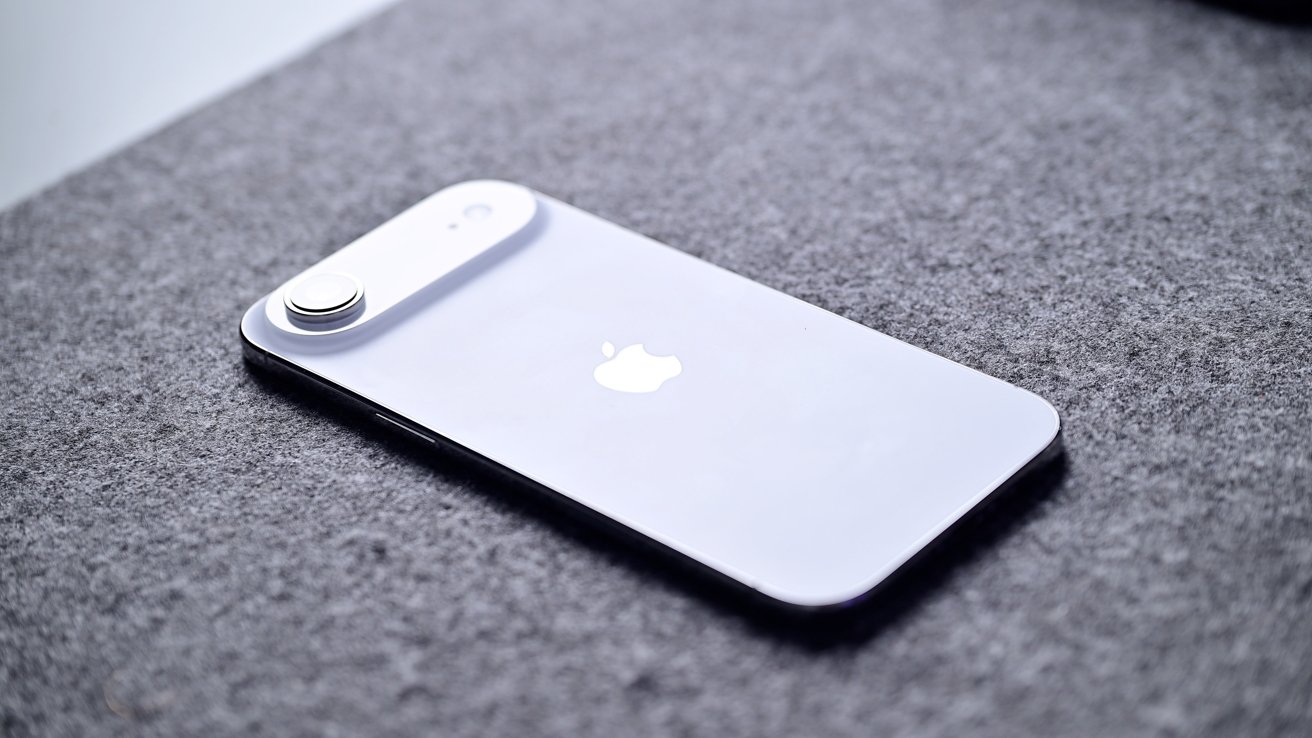
A sophisticated iPhone hacking technique and surveillance campaign ran rampant internationally for months, prior to a patch in iOS 26.3. iPhone Air A new and severe attack vector focused on iPhones paired two different vulnerabilities into one. The "DarkSword" attack started with malicious web content in Safari , and ended with full kernel control, allowing attackers to break out of browser protections and access core parts of the system. With that level of access, attackers can read messages and stored data, track location, access photos and files, and potentially activate the microphone or camera. In practice, it gives near-complete visibility into the device and the user's activity. Continue Reading on AppleInsider | Discuss on our Forums
Last summer, Perplexity launched one of the first AI-focused web browsers with Comet on the Mac. Now, the long promised iOS counterpart to Comet is available. more…

Data from AI-powered chatbots may expose more than you think, according to a recent study by ExpressVPN. Here's all you need to know.

A simple prompt turned ChatGPT into a surprisingly accurate streaming guide that cut through endless scrolling

Latent Health is tapping into the $200 billion market for specialty drugs with AI agents that help doctors convince insurers to more quickly approve drugs and treatments people need.

The March update for Windows PowerToys is now available. Microsoft has begun rolling out PowerToys 0.98 , which includes improvements and new features for the Command Palette as well as a new look for the editing menu in Keyboard Manager. Microsoft The big news in this update is the new Command Palette Dock feature. You can now add your favorite commands to a dock that’s pinnable to any side of the screen. Microsoft says the Command Palette is now also faster and supports transparent windows. Microsoft Microsoft says its has rebuilt the editing mode in Keyboard Manager from the ground up, to make it easier to improve in the future. It should now be easier to remap keys and create keyboard shortcuts in the tool, and you should now be able to quickly disable the various changes. It should now also be possible to launch and close Keyboard Manager via a shortcut in the Command Palette. The CursorWrap mouse tool, which launched back in January , also got a major update. The tool should now work better for users with multiple monitors: you can automatically disable the tool if only one monitor is connected, and you can configure the wrap function to work only when you hold down the Ctrl or Shift keys. Further reading: Useful Windows PowerToys features to start using

Starting today, select members of the Xbox Insiders program will be able to take several new "highly requested updates" for a test run before they become available to all Xbox console users. These new features include the ability to create up to 10 Groups on Xbox Home (up from the previous two-Group limit), a custom UI color palette, visible profile badges when browsing player profiles via the Xbox Guide, and a feature that former Xbox Live director of programming Larry "Major Nelson" Hryb says he wanted to see implemented long before he left Xbox in 2023: a Quick Resume feature that can be customized on a per-game basis. "Love this," Hryb said in an X post responding to Xbox's announcement. "I filed a feature request to make Quick Resume per title in 2021. Great to finally see it happen." Continue Reading at GameSpot

It's hard to break the cycle of doomscrolling, but there are plenty of apps that can help you spend more time on content that’s engaging and productive.

To compete with Amazon's Big Spring Sale, Target is running its very own spring sale. Running March 25 to 27, Target is running Target Circle Deal Days, marking down thousands of items up to 50% off.
 Gizmodo
  Android Headlines
  9to5Mac
  Techmeme
  Forbes Tech
  TechCrunch
  Tom's Hardware
  AppleInsider
  TechRadar
  PCWorld
  GameSpot
  Mashable