





Lee Milne has been found guilty of the culpable homicide of his wife Kimberly Milne.

It was possible to spin his 2025 arrival as a clean slate but the former businessman soon lost the confidence of key players The wait continues for confirmation that Charles Allen’s brief, troubled – and ultimately ineffectual – tenure as chair of the British Horseracing Authority is over. In racing terms, however, he is nine-tenths out of the saddle, his backside inching towards the turf and gravity is about to take over. Even in the thankless and intractable world of racing politics, few stars have waned as rapidly as that of Lord Allen of Kensington, a former businessman and senior broadcasting executive who arrived in September at the BHA promising to restructure the sport’s governance and, in the words of his day-one mission statement, “develop British racing into a modern commercial and cultural powerhouse”. Continue reading...

Former Russian president Dmitry Medvedev, a close Putin ally, claimed that a new global conflict will come if Donald Trump continues 'his insane course of criminal regime change'.
Sir Keir Starmer draws a narrow legal distinction. But if British bases enable a wider US-Israeli campaign, the UK risks sliding into an unlawful conflict In the Commons on Monday, Sir Keir Starmer was clear that Britain will not join offensive action against Tehran. It is wise not to join an illegal attempt at “ regime change from the skies ”. Sir Keir will, however, permit US use of British bases for limited defensive strikes aimed at stopping Iranian missile attacks. That is a legally clear line, but it may be politically and militarily tricky to stick to. Donald Trump and Benjamin Netanyahu’s actions are reckless and unlawful. But so are Iran’s strikes – hitting hotels, airports and energy infrastructure – across the Gulf. Where Britain’s allies have asked for support, or where UK nationals are at risk, the UK is legally entitled to act in collective self-defence. But this holds only as long as the action is restricted to halt Tehran’s barrage. Do you have an opinion on the issues raised in this article? If you would like to submit a response of up to 300 words by email to be considered for publication in our letters section, please click here . Continue reading...

Liam Bowes, 37, ploughed into Abigail Eggleston, 22, at Neville's Cross, Durham, and kept going.

Plans to resurrect the children’s services decimated by austerity are appealing. But schools also need attention Heavily trailed reforms to special educational needs and disabilities (Send) education dominated coverage of last week’s schools white paper. But Bridget Phillipson’s policy of in-sourcing special provision, creating a new tier of support and making mainstream settings more inclusive , is the centrepiece of a broader agenda that also requires scrutiny. All schools in future will have to join multi-academy trusts, including a new kind of trust established by councils. Ministers have also promised a drastic shrinking of the attainment gap between richer and poorer pupils, and new projects in north-east England and coastal areas aimed at raising standards. The way that £8bn in disadvantage funding is targeted is also being changed. Other measures include financial incentives for heads in challenging schools, stronger oversight of academy trusts and a clear signal of openness to flexible working arrangements. Do you have an opinion on the issues raised in this article? If you would like to submit a response of up to 300 words by email to be considered for publication in our letters section, please click here . Continue reading...

For two days, members of the public pieced together information about the large-scale operation through various news reports

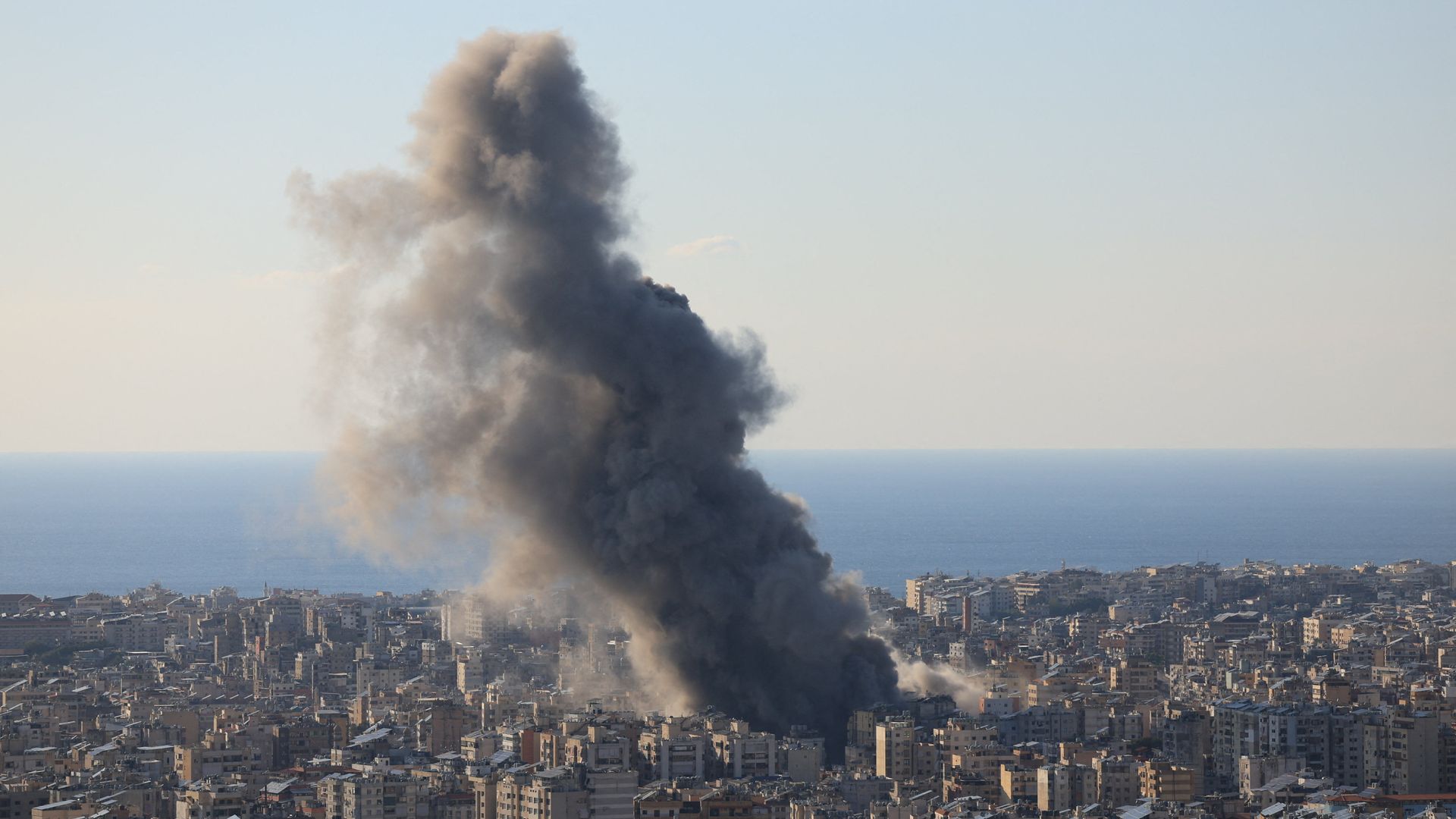
As far as the people of Lebanon are concerned, this is a war that nobody wants - even members of the Iran-backed militia, Hezbollah.

The plans have been brought forward as "a matter of urgency"

A man has been charged with multiple rapes and other offences, including one in a hotel in West Berkshire.

Scores of Brits have been left trapped in Dubai on holiday, and have complained about receiving little or no assistance from authorities and insurers amid the US assault on Iran
 The Independent
  The Daily Record
  The Guardian
  Daily Mail UK
  Daily Express
  Sky News
  Liverpool Echo
  Newbury Today
  The Mirror