


Bill Clinton issued a blistering statement attacking Republicans for forcing Hillary to testifying about his relationship with pedophile Jeffrey Epstein.

Bill Clinton is testifying at the Oversight Committee over his links to Jeffrey Epstein, after his wife Hillary spoke to the committee on Thursday

As the results of the Gorton and Denton by-election were announced we got a glimpse of what Reform really thought about the people whose votes they had been trying to win, writes Damon Wilkinson

Voters delivered a further sign that the UK's long-established two-party system is going through a seismic change

The Labour former minister said peers have spent more than 80 hours scrutinising the contentious legislation since it was passed by MPs in June.
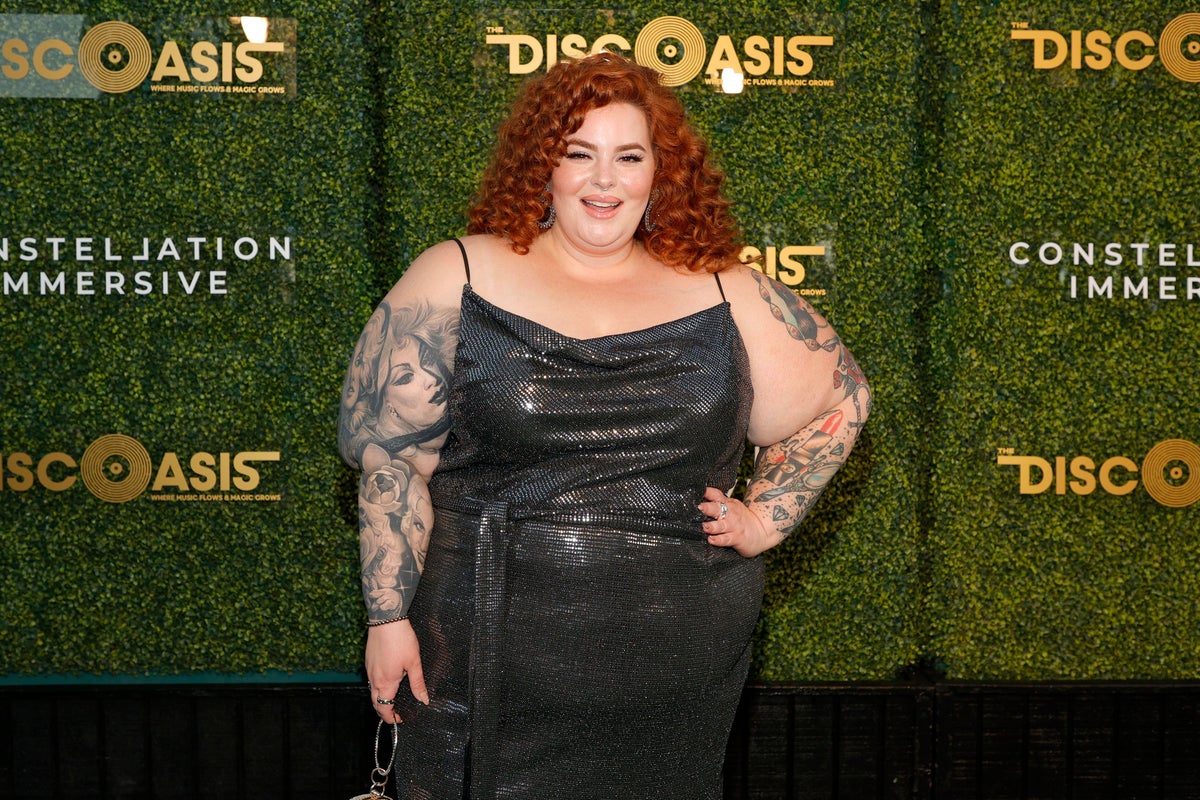
300-pound model says she is a ‘non-smoking, non-drinking, non-health issue having human’

300-pound model says she is a ‘non-smoking, non-drinking, non-health issue having human’

Bill Clinton has released his opening statement as he faces questions from members of Congress investigating sex offender Jeffrey Epstein.
.jpeg?width=1200&auto=webp&trim=0%2C304%2C202%2C0)
From trusted reviews to regulatory insight, Casino.org equips online gamblers with advice they can rely on
From trusted reviews to regulatory insight, Casino.org equips online gamblers with advice they can rely on

Family voting is an illegal practice where two voters use one polling booth and may direct each other on how to vote.

Can David and Victoria's youngest son escape the "nepo baby" label and find success with his band?

Expect a high ROI, assuming your measure for success is how often you smile when you see your new stuff. View Entire Post ›
 The Independent
  Daily Mail UK
  The Mirror
  Manchester Evening News
  Evening Standard
  The Daily Record
  BBC
BBC  BuzzFeed News