


Britain agrees to help US bomb Iran and 'destroy missiles at source'
Britain, France and Germany have issued a joint statement threatening to 'destroy Iran's capability to fire missiles and drones at their source'
Britain, France and Germany have issued a joint statement threatening to 'destroy Iran's capability to fire missiles and drones at their source'

Barry Hawkins ultimately defeated Jack Lisowski 9-5 in the Welsh Open snooker final, which featured a lengthy stand-off in the 11th frame

Paedophile Jeffrey Epstein has reportedly been linked to a property in the Kensington area of London in a dossier after "suspicious payments" were flagged
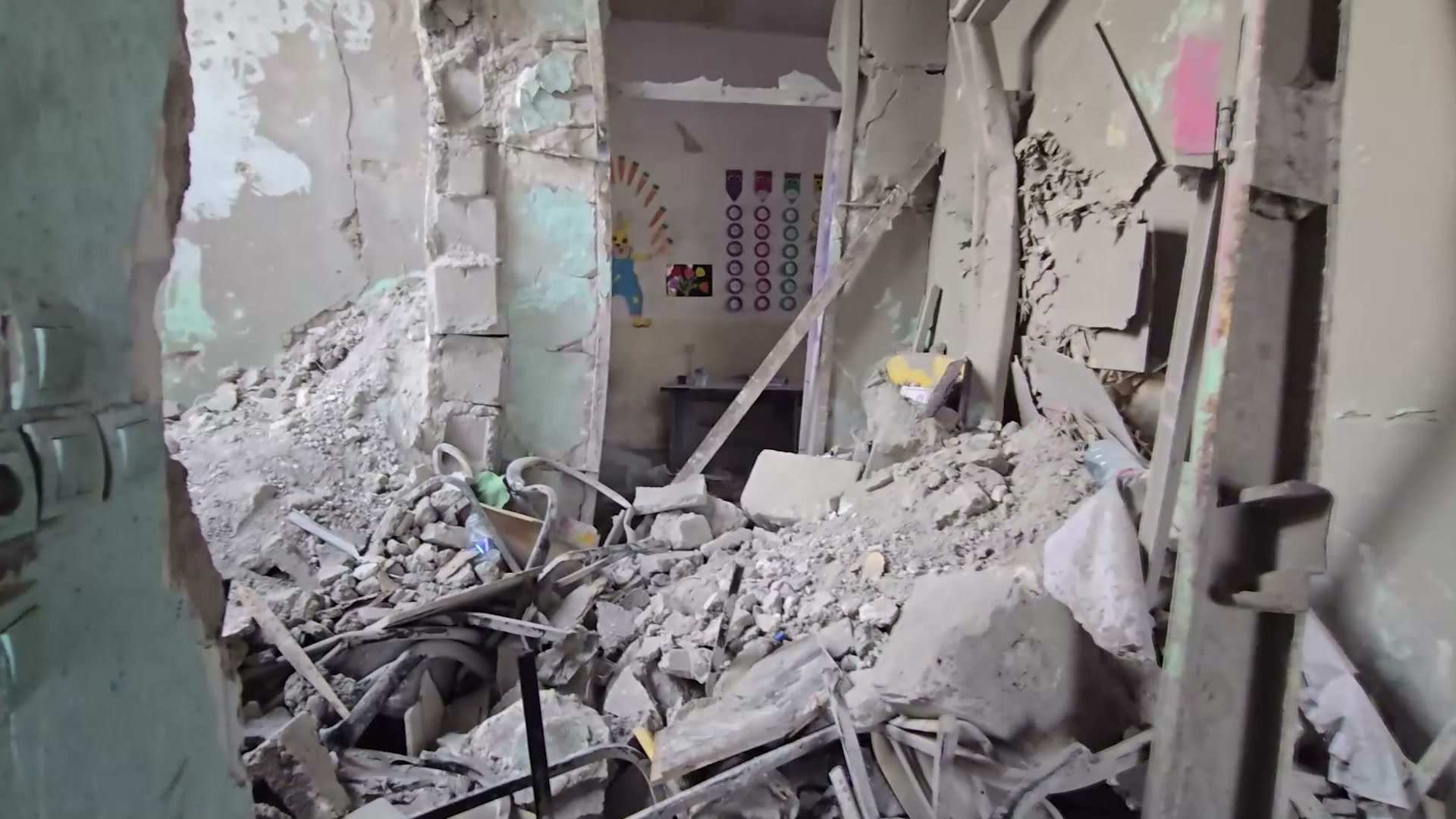
"Rescue teams searched through the rubble after an alleged US-Israeli strike killed more than 160 people at a girls' school in Iran's Hormozgan province on Saturday. Footage shows extensive destruction at the school, shattered classrooms strewn with students' bags and books, bulldozers clearing rubble, and distraught families and crowds of locals gathered at the site. "This morning, the Zionist regime committed a new crime with two attacks on the Shajareh Taybeh school in the Minab district. The world must see these images," proclaimed a victim's father. "My daughter Zainab is still under the rubble. I am waiting to reach her, whether I find her alive or martyred." Following the incident, Iranian President Masoud Pezeshkian said that "this brutal act is another black page in a long record of countless crimes committed by the aggressors." "The destroyed building is a primary school for girls in southern Iran. It was bombed in broad daylight while filled with students. Dozens of innocent children were killed at this site alone. These crimes against the Iranian people will not go unpunished," stated Iranian Foreign Minister Abbas Araghchi. There has been no comment from the US or Israeli sides regarding the strike that targeted the school at the time of publication. The United States and Israel had launched a joint attack on Iran on Saturday, with US President Donald Trump and Israeli Prime Minister Benjamin Netanyahu pledging to 'destroy Iran's missiles'. In response, Iran's Islamic Revolutionary Guard Corps announced it had launched 'large-scale missile and drone attacks' against Israel, with reports indicating that US bases in the United Arab Emirates, Bahrain, Qatar, Iraq, and Kuwait were also targeted."
"Rescue teams searched through the rubble after an alleged US-Israeli strike killed more than 160 people at a girls' school in Iran's Hormozgan province on Saturday. Footage shows extensive destruction at the school, shattered classrooms strewn with students' bags and books, bulldozers clearing rubble, and distraught families and crowds of locals gathered at the site. "This morning, the Zionist regime committed a new crime with two attacks on the Shajareh Taybeh school in the Minab district. The world must see these images," proclaimed a victim's father. "My daughter Zainab is still under the rubble. I am waiting to reach her, whether I find her alive or martyred." Following the incident, Iranian President Masoud Pezeshkian said that "this brutal act is another black page in a long record of countless crimes committed by the aggressors." "The destroyed building is a primary school for girls in southern Iran. It was bombed in broad daylight while filled with students. Dozens of innocent children were killed at this site alone. These crimes against the Iranian people will not go unpunished," stated Iranian Foreign Minister Abbas Araghchi. There has been no comment from the US or Israeli sides regarding the strike that targeted the school at the time of publication. The United States and Israel had launched a joint attack on Iran on Saturday, with US President Donald Trump and Israeli Prime Minister Benjamin Netanyahu pledging to 'destroy Iran's missiles'. In response, Iran's Islamic Revolutionary Guard Corps announced it had launched 'large-scale missile and drone attacks' against Israel, with reports indicating that US bases in the United Arab Emirates, Bahrain, Qatar, Iraq, and Kuwait were also targeted."

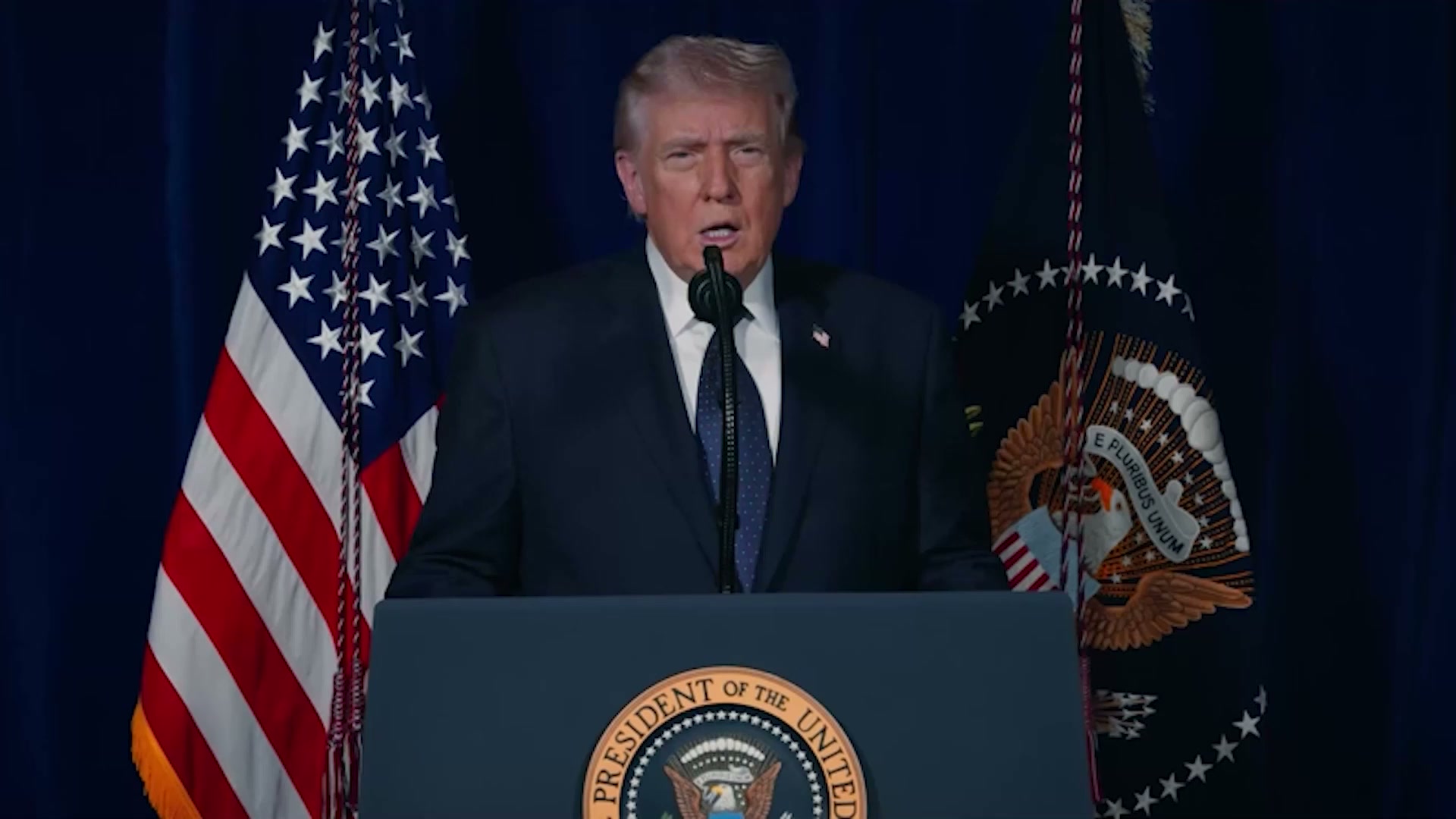
Donald Trump has promised to 'avenge' American troops killed in the Iran war in his second address to the nation in 48 hours.

Public opinion around US President Donald Trump's strikes in Iran is telling a very bleak story about how Americans are viewing Operation Epic Fury.

Hourly parking charges in Cardiff city centre vary from £2 to £6.50

The unnamed teenager was found dead on February 27.

It comes as Donald Trump told the Daily Mail on Sunday in an exclusive interview that he views the military action in Iran to be as long as a four-week campaign.
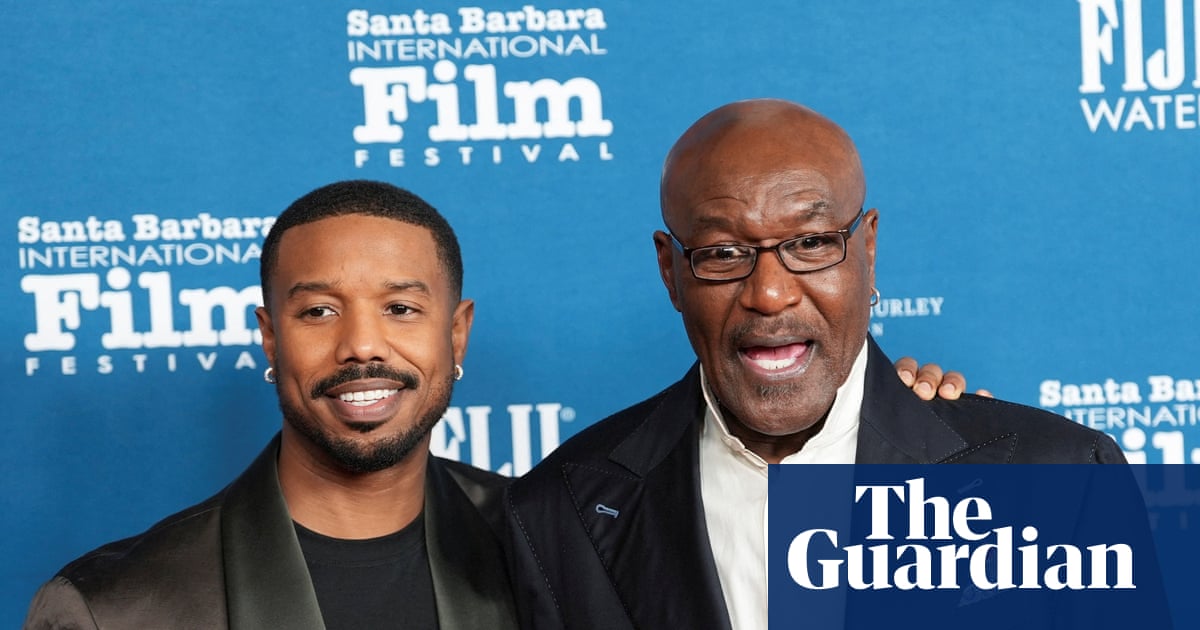
Lindo speaks out after man with Tourette syndrome shouted slur while actor was on stage with Michael B Jordan British-American actor Delroy Lindo expressed gratitude for “the support and love” he and Michael B Jordan have received after a man with Tourette syndrome (TS) shouted the N-word as the two men presented a Bafta award. “We appreciate all the support and love that we have been shown,” Lindo – who, like Jordan, is Black – said on stage at the annual NAACP Image awards in Los Angeles. He called it “a classic case of something that could be very negative becoming very positive”. Continue reading...

A man is dead after an alleged assault at a remote campground in the Northern Tablelands of New South Wales.

When scrolling through auction lots soon to go under the hammer there are the expected rundown houses in need of renovation, empty commercial buildings looking for new purpose, chapels and churches that have lost their congregation, and plots of land too.

The billionaires' tax haven went from sunny paradise to deadly warzone within hours of the US-Israeli 'pre-emptive' strikes on Iran on Saturday morning, with Iranian bombs raining down on the UAE.
 Belfast Live
  WalesOnline
  The Mirror
  Ruptly
  Daily Mail U.K
  Daily Express
  Daily Mail UK
  The Guardian