


Hannah Spencer wins Gorton and Denton by-election as Labour slumps to third
The Green Party has won the Gorton and Denton by-election with Hannah Spencer taking the seat after a tense three-way battle, with Labour falling to third place
The Green Party has won the Gorton and Denton by-election with Hannah Spencer taking the seat after a tense three-way battle, with Labour falling to third place

Your design choices will reveal a lot...even more than you might want. View Entire Post ›

Gusmane Coulibaly, 27, an aspiring YouTube star who was caught on camera pelting snow and ice at New York City police officers has seen the charges against him greatly reduced.

Green Party takes Gorton and Denton from Labour in first ever Westminster by-election win Follow live coverage and analysis:

A hidden £2.5 billion request by the Ministry of Defence has surfaced, revealing a concealed Afghan asylum programme and a data breach cover-up
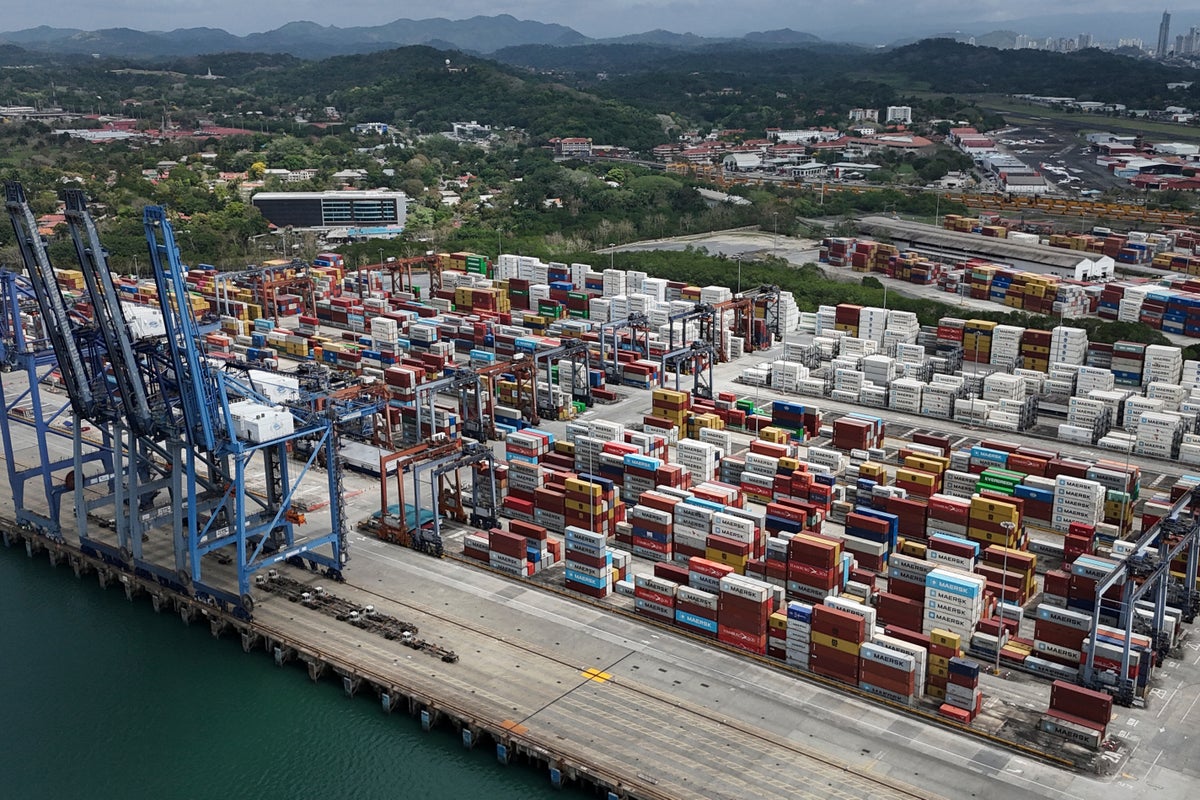
Panamanian investigators have carried documents out of offices belonging to a Hong Kong-owned company that operated ports at either end of the Panama Canal until its concession was declared unconstitutional by the Supreme Court last month
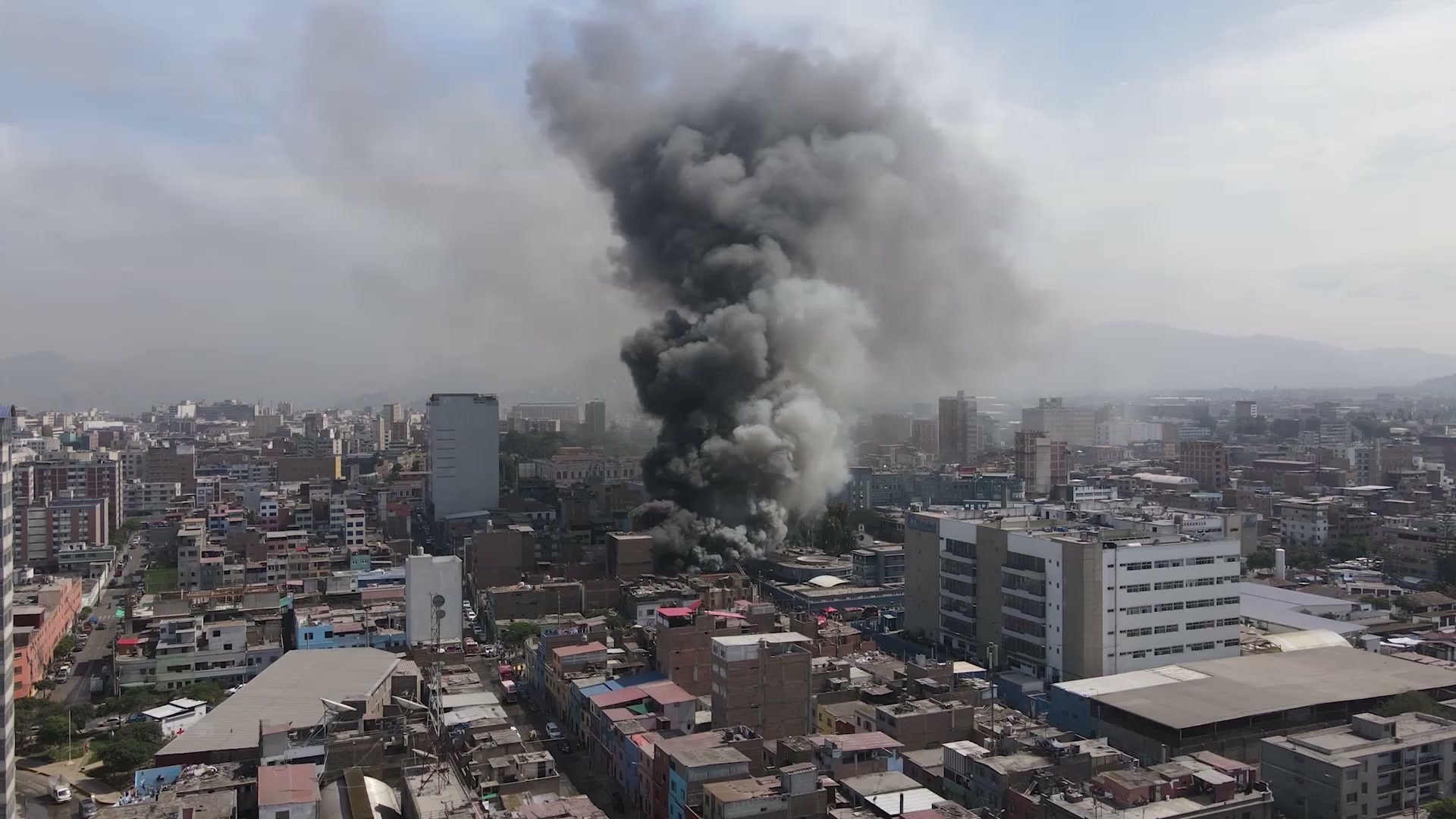
"A level III fire broke out on Thursday just a block from Guillermo Almenara Irigoyen National Hospital in Lima, triggering emergency evacuations as thick smoke spread near the major medical centre. Footage shows Peru's General Fire Department and volunteer units battling the blaze at a multi-storey warehouse where fabric and unused clothing were stored. Firefighters said access was difficult due to the building's structure, and water shortages on site hampered efforts to maintain a steady flow. "Strictly defensive work is being carried out to prevent the fire from spreading. Definitely, the type of construction makes it difficult to enter and control, and also the lack of water," explained German Medina, Deputy General Commander of the Fire Department. The smoke was initially carried by the wind toward the hospital facilities, affecting areas and patients. "Unfortunately, the smoke entered our facilities. We have evacuated the most affected children to safe areas and activated our Emergency Care Command," reported Cristhian Miranda, manager of the EsSalud healthcare network at the hospital. The medical centre made 56 beds available for potential transfers and began redistributing patients. So far, nine were transferred to San Isidro Labrador Hospital and another 26 to healthcare areas in La Victoria. At least two firefighters were injured and another suffered heat stroke during the operation, authorities said. Officials are investigating the cause of the blaze and checking the legal status of the affected property."
"A level III fire broke out on Thursday just a block from Guillermo Almenara Irigoyen National Hospital in Lima, triggering emergency evacuations as thick smoke spread near the major medical centre. Footage shows Peru's General Fire Department and volunteer units battling the blaze at a multi-storey warehouse where fabric and unused clothing were stored. Firefighters said access was difficult due to the building's structure, and water shortages on site hampered efforts to maintain a steady flow. "Strictly defensive work is being carried out to prevent the fire from spreading. Definitely, the type of construction makes it difficult to enter and control, and also the lack of water," explained German Medina, Deputy General Commander of the Fire Department. The smoke was initially carried by the wind toward the hospital facilities, affecting areas and patients. "Unfortunately, the smoke entered our facilities. We have evacuated the most affected children to safe areas and activated our Emergency Care Command," reported Cristhian Miranda, manager of the EsSalud healthcare network at the hospital. The medical centre made 56 beds available for potential transfers and began redistributing patients. So far, nine were transferred to San Isidro Labrador Hospital and another 26 to healthcare areas in La Victoria. At least two firefighters were injured and another suffered heat stroke during the operation, authorities said. Officials are investigating the cause of the blaze and checking the legal status of the affected property."

Defending party Labour trailed in third.

Hannah Spencer will be the party's latest MP after winning the Gorton and Denton constituency from the left.

Proving they now present a severe Left-wing challenge to Labour , the Greens picked up their first ever parliamentary by-election victory in the Greater Manchester seat.

The party won the crucial by-election after a tense three-way battle for the seat

The US military used a laser to accidentally shoot down a Customs and Border Patrol drone in Texas while enforcing Donald Trump's efforts to crack down at the border, leaving Democrats furious.

Netflix's decision to back down from the bidding war clears the path for Paramount to win the takeover battle.
Netflix's decision to back down from the bidding war clears the path for Paramount to win the takeover battle.

Hannah Spencer elected as party’s first MP in northern England, as Labour sees a 25.3% drop in vote compared to 2024 Follow our UK politics live blog The Green party has pulled off a landmark victory in the Gorton and Denton byelection in a significant blow to Keir Starmer. Hannah Spencer, a local plumber and Green party councillor, was elected as the party’s first MP in northern England after overturning Labour’s 13,000-vote majority. Continue reading...
 Birmingham Live
  BuzzFeed News
  Daily Mail U.K
  BBC Breaking News
  Daily Express
  The Independent
  Ruptly
  Evening Standard
  POLITICO
  Liverpool Echo
  BBC News UK
  BBC News World
  The Guardian