


Hundreds of Aussie jobs hang in the balance as Afterpay company culls 4000 staff
The co-founder of Block, which operates Afterpay and Square, said 4000 employees will be laid off within 24 hours.
The co-founder of Block, which operates Afterpay and Square, said 4000 employees will be laid off within 24 hours.

It's a controversy that has sparked protests and petitions. Yet Sea Life London Aquarium still exhibits 15 Gentoo penguins in an 'underground bunker'

The High Court upheld the acquittal of Hamit Coskun, who burned the Koran outside the Turkish consulate, in a ruling on Friday.
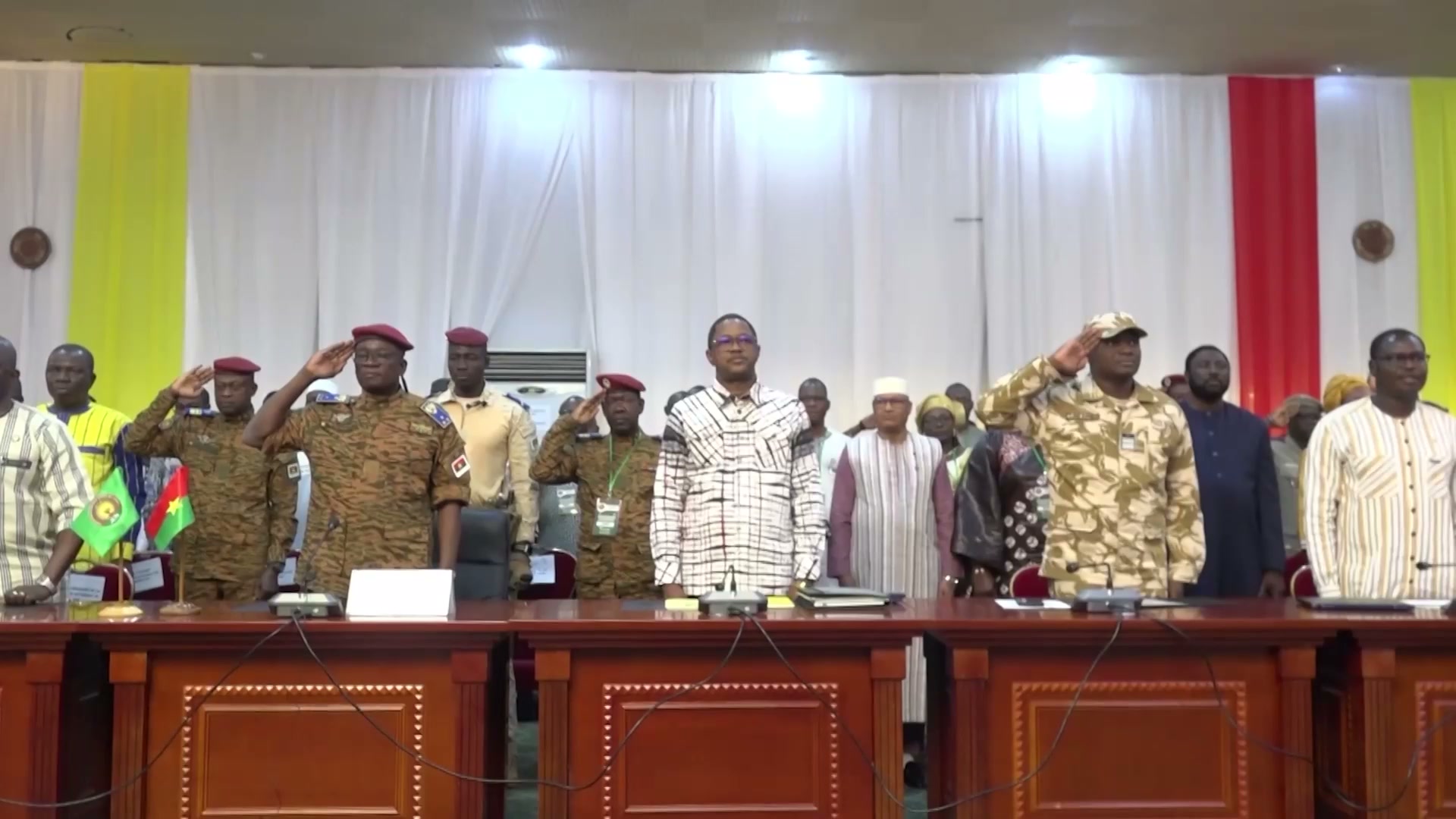
"Defence, security, development, and foreign affairs ministers of the Sahel States Alliance (AES) approved the draft ‘Year II Roadmap’ during a high-level meeting in Ouagadougou on Thursday. "We must ensure that the Year 2 roadmap of the [Alliance] of choice meets the level of its ambitions. Pragmatic without being timid, structured without being bureaucratic,” said Bassolma Bazie, President of National Commission of AES Confederation for Burkina Faso. Footage shows ministers in session, signing strategic agreements, and attending presentations, including military honours. “Sovereignty is not fragmented; it is consolidated, and it is consolidated through coherence,” Bazie added. Captain Ibrahim Traore, Transitional President of Burkina Faso, assumed the AES presidency for a one-year term, succeeding Malian President Assimi Goita. Bazie highlighted that Traore’s appointment launches three critical phases, including consolidating achievements, deepening inter-state relations, and projecting a strong international presence for the AES. Malian Foreign Minister Abdoulaye Diop highlighted the fight against terrorism. “The ministers firmly condemned the persistent will of terrorists and their foreign state sponsors to halt the construction of a common space of sovereignty and shared prosperity in the Sahel,” Diop stated. The three West African nations -Burkina Faso, Mali, and Niger- formed the AES in 2023 as a defence pact, announcing their joint withdrawal from ECOWAS the following year. The plan also looks to build on the complete withdrawal of French troops from Mali, Burkina Faso, and Niger - a break with French influence. Reports from Russian intelligence earlier this month suggested that President Emmanuel Macron was authorising ops to eliminate 'undesirable leaders' - while Paris did not react. The Year II Roadmap will be submitted to the Council of Heads of State for final approval."

Lauren Cannon has supervised the crossing at Lytchett Matravers Primary School in Dorset for four years.

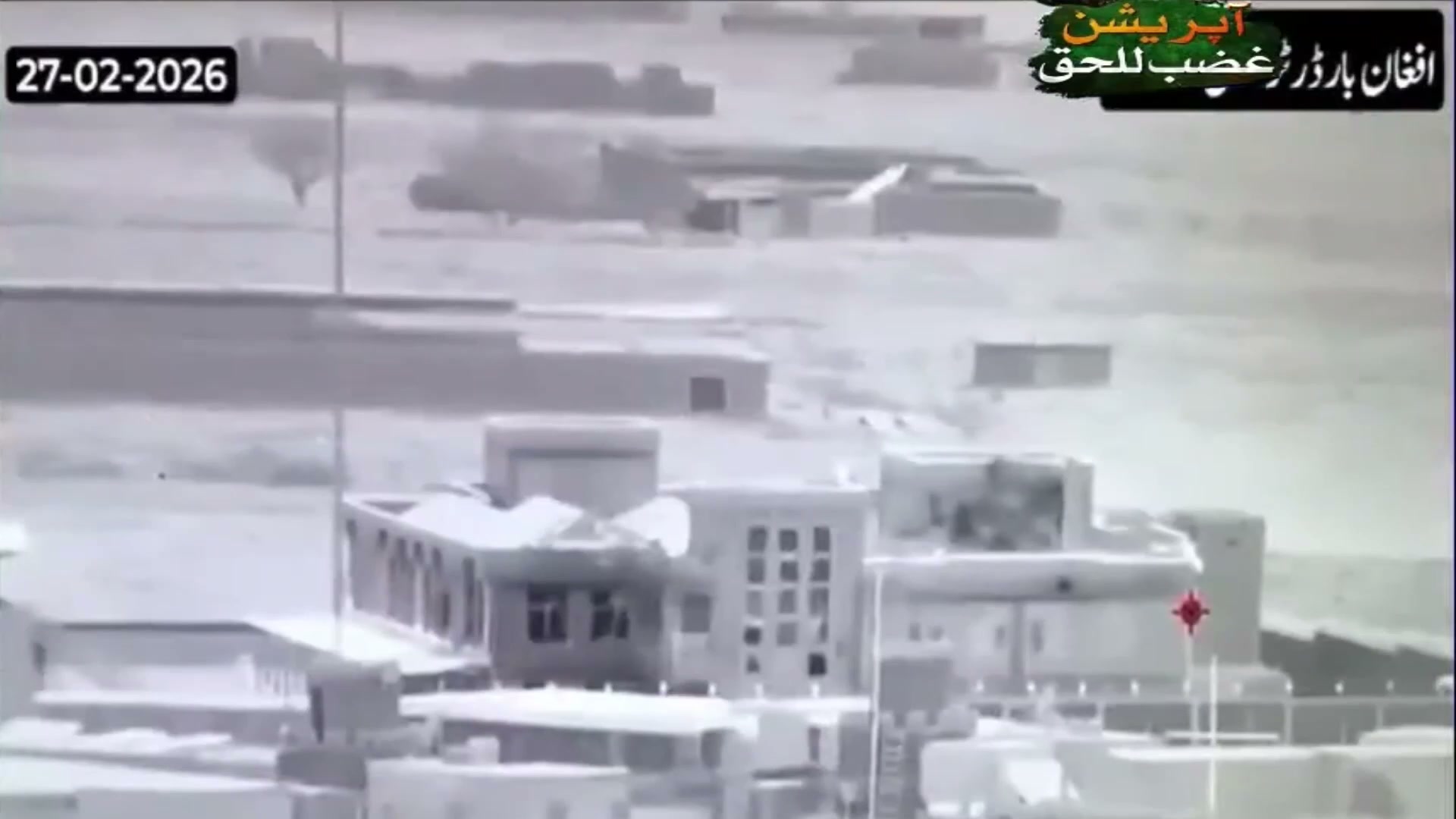
"Footage of reported strikes by Pakistan on Afghan border regions was seen in footage aired by Pakistani Television (PTV) on Friday. Afghanistan-Pakistan escalation ramped up on Thursday, following months of tensions, with both countries launching cross-border strikes and casualties reported. Afghanistan launched what it called a 'major offensive' on Pakistan military posts near the border on Thursday, which the Taliban government said was a response to deadly airstrikes earlier this month which reportedly killed at least 13 people. Pakistan, which said those earlier attacks were on 'militants' who were being 'suicide attacks', carried out airstrikes on the capital Kabul and two other provinces over Thursday night and into Friday. Pakistan also claims that Kabul harbours Tehreek-e-Taliban Pakistan (TTP) militants, which the Taliban government strongly denies. "


He continued for some 25 miles as it fell apart causing debris to be scattered on the motorway

Rightmove also told shareholders that it has seen ‘strong momentum’ so far in 2026.
Rightmove also told shareholders that it has seen ‘strong momentum’ so far in 2026.

Bake Off star Prue Leith has opened up about the life she shares with fashion designer John Playfair, her husband of 10 years, and what she curiously describes as their "Banishment Room"

Arsenal will play Bayer Leverkusen before either Bodo/Glimt or Sporting should they reach the quarter-finals

So, is it a wig? Claudia Winkleman laughs. 'No! Feel it!' She leans forward, offering the ends of her implausibly silky black hair. 'Pull it!' So I do, reluctantly and gently. It's real.
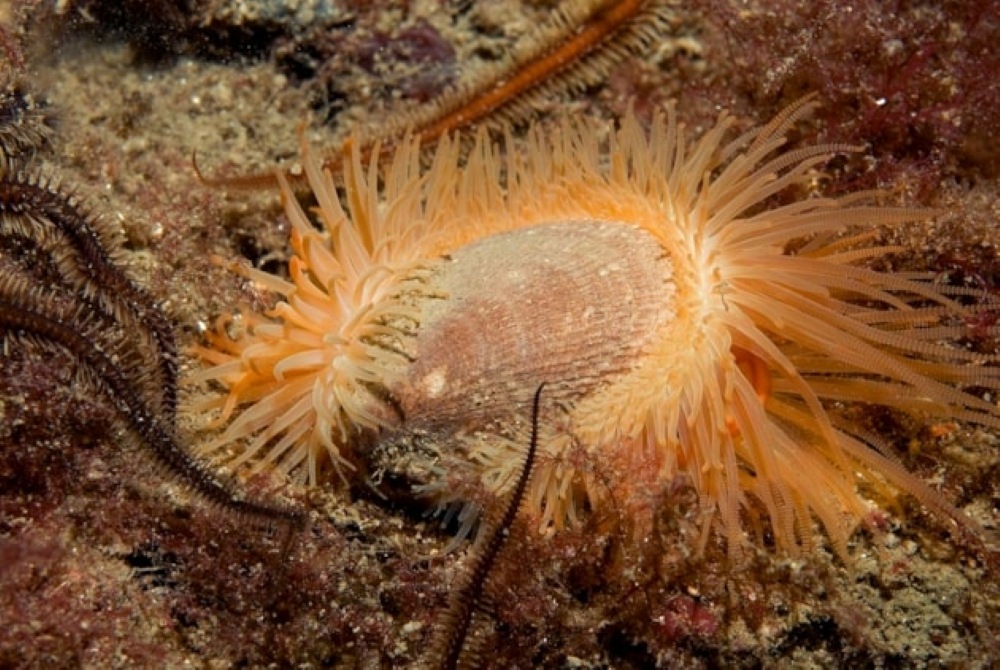
Researchers found the Loch Carron flame shell beds have been restored, after dredging damage was discovered in 2017
 Daily Mail U.K
  Daily Mail UK
  Evening Standard
  Ruptly
  Metro
Metro  Birmingham Live
  The Independent
  WalesOnline
  STV News