


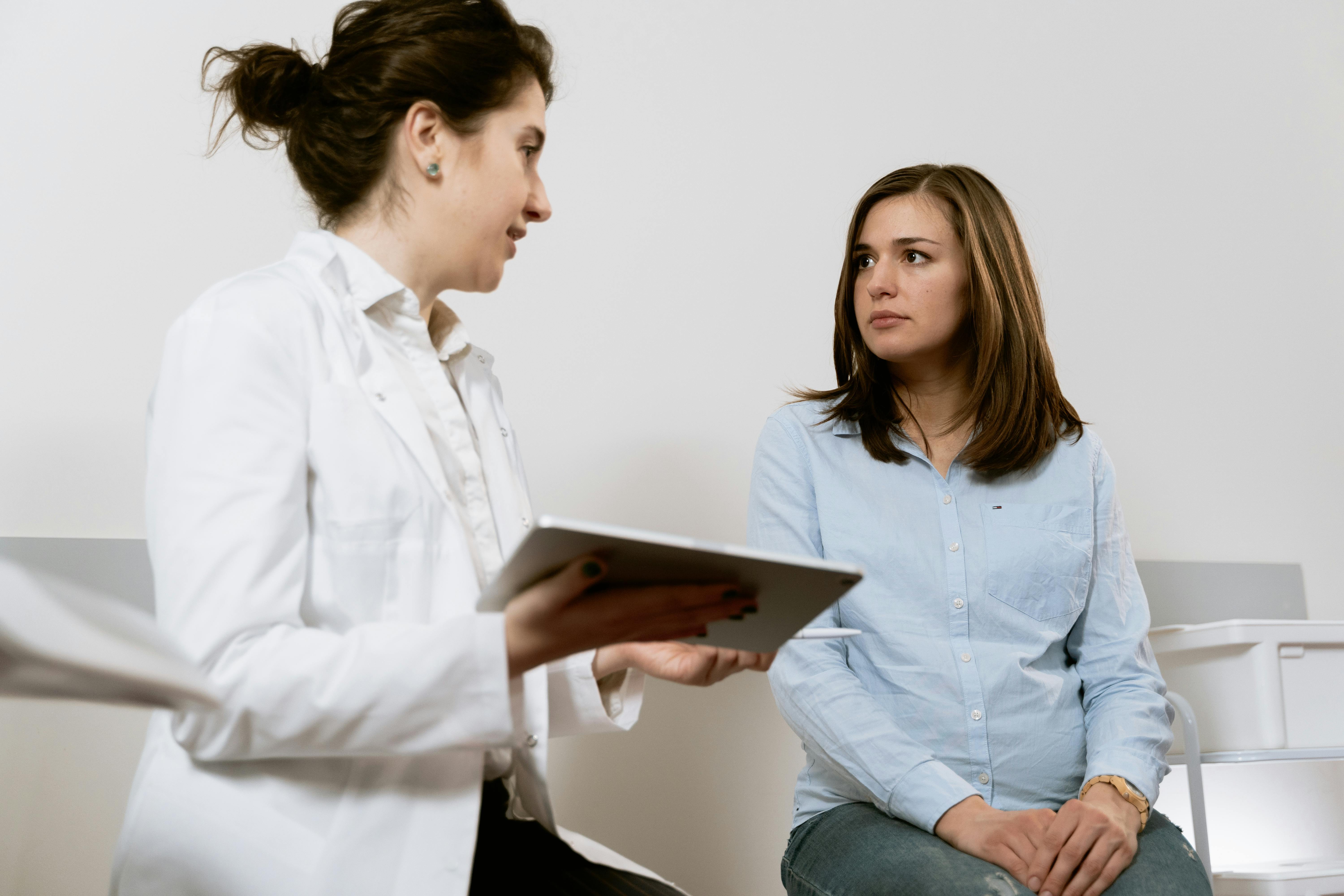
Women's Health Statistics Show We Have A Long Way To Go
- As we enter March, which marks endometriosis awareness month, it’s worth noting that not only is endometriosis woefully under-funded, most areas of women’s healthcare are still incredibly behind in research, diagnosis and treatment. The thing is, once you realise the inequality and how many women are needlessly suffering, it’s hard to stop seeing it absolutely everywhere. It’s frustrating, to say the least. For example, did you know that there’s more research on marathon running than there is on giving birth? Writing for The Conversation , Anastasia Topalidou, an Associate Professor in Perinatal Biomechanics and Health Technologies at the University of Lancashire said: “Labour is one of the most physically demanding processes the human body experiences. It involves coordinated muscle activity, shifting pressure through the pelvis and spine, and joints adapting under intense physiological stress. “Yet there are currently no studies directly measuring how labour positions, movement, hands-on techniques and physical forces affect the mother and baby in real time during active labour. “As a result, many positioning strategies are based largely on tradition and accumulated clinical experience rather than direct measurement.” This is sadly barely scratching the surface of women’s healthcare downfalls According to the World Health Organization , 70% of people with Polycystic Ovary Syndrome (PCOS) do not know that they have the condition. PCOS causes heavy bleeding, fertility issues and thinning hair, just to name a few symptoms and it affects 10-13% of women worldwide. If this isn’t maddening enough, even just looking into consumer menstrual health care, the first time human blood was ever used to test the absorbency of menstrual products was in... 2023. As we explained at the time : “Until now, researchers have used saline water or even just water to test the efficacy of period products which means people may not have an entirely accurate idea of whether their periods are heavy or not. “This is because menstrual blood contains not only blood cells but secretions and tissues from endometrial lining ― unlike water or its saline counterpart.” People with menstrual health problems are no strangers to being dismissed so perhaps to them, these statistics aren’t as shocking as they ought to be but when you consider that women in Europe spend 25% more of their lives in pain than men , it’s fair to say this is something we should be keeping at the forefront of conversations about inequality. It’s worse for women who aren’t white In a government-commisioned review into maternity care services in England, it has been revealed that Black and Asian women face further discrimination during what is already an incredibly vulnerable time in their lives. Speaking to BBC Breakfast , Baroness Amos who is leading the investigation said: “We have heard about stereotypes being used in maternity and neonatal services... This includes accounts of Asian women being stereotyped as ‘princesses’, with the implication that they are overly demanding or unable to cope with pain. “Black women described experiences of being deemed as having “tough skin” and ‘able to tolerate pain’.” The report also revealed that Muslim families described feeling discriminated against on the basis of their religion and feeling unable to raise concerns due to fear that discriminatory attitudes may result in poor treatment for their baby. Outwith maternity care, The Royal College of Obstetricians and Gynaecologists reported in January that Black women are more likely to develop uterine fibroids, experience more severe symptoms, and face longer delays in diagnosis and treatment. Left untreated, uterine fibroids can lead to symptoms such as bowel or bladder dysfunction, excessive fatigue and pain during sex, just to name a few symptoms. If you are affected by any of the conditions mentioned, NHS surgeon Dr Karan Rajan has shared a guide to advocating for yourself in women’s healthcare. Help and support: Mind , open Monday to Friday, 9am-6pm on 0300 123 3393 . Samaritans offers a listening service which is open 24 hours a day, on 116 123 (UK and ROI - this number is FREE to call and will not appear on your phone bill). CALM (the Campaign Against Living Miserably) offer a helpline open 5pm-midnight, 365 days a year, on 0800 58 58 58 , and a webchat service . The Mix is a free support service for people under 25. Call 0808 808 4994 or email help@themix.org.uk Rethink Mental Illness offers practical help through its advice line which can be reached on 0808 801 0525 (Monday to Friday 10am-4pm). More info can be found on rethink.org . Related... I'm A Surgeon – 5 Ways To Advocate For Yourself If You Feel Ignored By Doctors Heavy Periods Are Far More Common Than We Thought Today In Stupid: Doctors Have No Clue What 'Heavy Bleeding' Actually Looks Like
 The Huffington Post
 Londonist
 The Daily Mash
 The Guardian


 The Irish Times
 The Mirror


 Independent.ie
 Daily Express

 Evening Standard
