


I have £200,000 invested in a Isa but just £3,000 in my rainy day fund: Should I keep more cash?
I have less than £3,000 in cash savings, well below the recommended amount. How much money should I be holding in cash?
I have less than £3,000 in cash savings, well below the recommended amount. How much money should I be holding in cash?

Whether they are fantasising about their dream home or just being nosey, 60% of Britons say they have searched property websites in their spare time.

The sociology professor is suitably comfortable with AI helpers that he creates his own – it’s their inventors’ motives and unregulated environment he argues we should be concerned about If much of the discussion of AI risk conjures doomsday scenarios of hyper-intelligent bots brandishing nuclear codes, perhaps we should be thinking closer to home. In his urgent, humane book, sociologist James Muldoon urges us to pay more attention to our deepening emotional entanglements with AI, and how profit-hungry tech companies might exploit them. A research associate at the Oxford Internet Institute who has previously written about the exploited workers whose labour makes AI possible, Muldoon now takes us into the uncanny terrain of human-AI relationships, meeting the people for whom chatbots aren’t merely assistants, but friends, romantic partners, therapists, even avatars of the dead. To some, the idea of falling in love with an AI chatbot, or confiding your deepest secrets to one, might seem mystifying and more than a little creepy. But Muldoon refuses to belittle those seeking intimacy in “synthetic personas”. Continue reading...
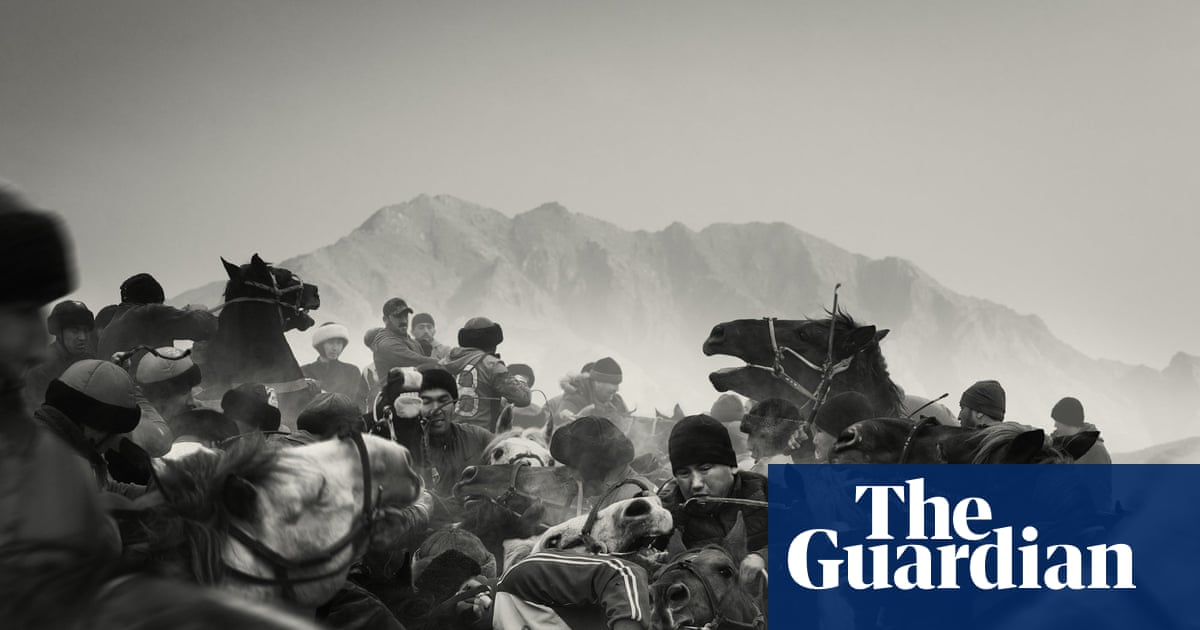
A brutal nomadic sport, quiet childhood reveries and stark human endurance define the photographs that wowed this year’s judges Continue reading...

Tibetan directors, who all live outside Tibet, deliver a quartet of films that explore the pain of separation and migration The wrench of exile is the theme of this quartet of short films from Tibetan directors, who themselves all live outside Tibet. Their intimate, emotional family dramas tell stories of separation and migration. In two of them, the 90-year-old Dalai Lama smiles out from photographs on shrines, a reminder of the precariousness of Tibet’s future. As a character in one of the films puts it bluntly: will there be anything to stop China erasing Tibetan identity when its rock-star spiritual leader is no longer around? In the first film a Tibetan man lives in a kind of complicated happiness in Vietnam. He loves his wife, and they both adore their sunny-natured little daughter, but he has mournful eyes. Home is a town on the banks of the Mekong River, which has its source in Tibet. The river is a constant reminder of the region – and of Chinese might too, since Chinese hydropower dams are the cause of drought downstream in Vietnam. Continue reading...
The sociology professor is suitably comfortable with AI helpers that he creates his own – it’s their inventors’ motives and unregulated environment he argues we should be concerned about If much of the discussion of AI risk conjures doomsday scenarios of hyper-intelligent bots brandishing nuclear codes, perhaps we should be thinking closer to home. In his urgent, humane book, sociologist James Muldoon urges us to pay more attention to our deepening emotional entanglements with AI, and how profit-hungry tech companies might exploit them. A research associate at the Oxford Internet Institute who has previously written about the exploited workers whose labour makes AI possible, Muldoon now takes us into the uncanny terrain of human-AI relationships, meeting the people for whom chatbots aren’t merely assistants, but friends, romantic partners, therapists, even avatars of the dead. To some, the idea of falling in love with an AI chatbot, or confiding your deepest secrets to one, might seem mystifying and more than a little creepy. But Muldoon refuses to belittle those seeking intimacy in “synthetic personas”. Continue reading...
A brutal nomadic sport, quiet childhood reveries and stark human endurance define the photographs that wowed this year’s judges Continue reading...
Tibetan directors, who all live outside Tibet, deliver a quartet of films that explore the pain of separation and migration The wrench of exile is the theme of this quartet of short films from Tibetan directors, who themselves all live outside Tibet. Their intimate, emotional family dramas tell stories of separation and migration. In two of them, the 90-year-old Dalai Lama smiles out from photographs on shrines, a reminder of the precariousness of Tibet’s future. As a character in one of the films puts it bluntly: will there be anything to stop China erasing Tibetan identity when its rock-star spiritual leader is no longer around? In the first film a Tibetan man lives in a kind of complicated happiness in Vietnam. He loves his wife, and they both adore their sunny-natured little daughter, but he has mournful eyes. Home is a town on the banks of the Mekong River, which has its source in Tibet. The river is a constant reminder of the region – and of Chinese might too, since Chinese hydropower dams are the cause of drought downstream in Vietnam. Continue reading...
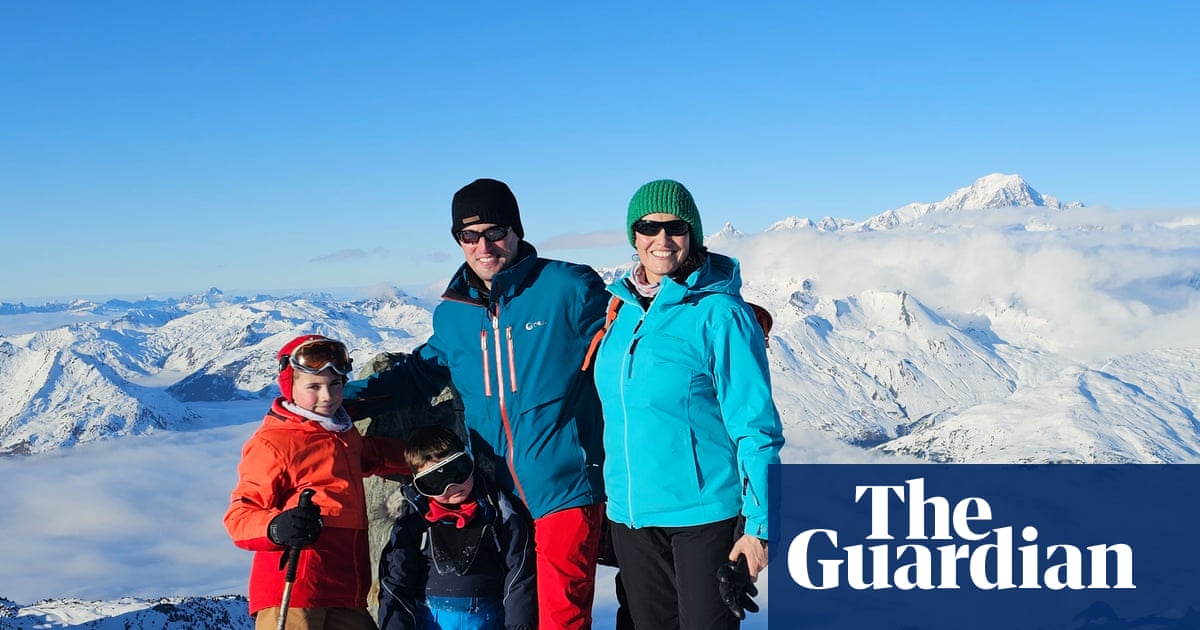
Cut out flying and you shred skiing’s carbon footprint. And opting for a high-altitude resort that needs less artificial snow makes it even greener. Les Arcs in the French Alps ticks both boxes I’ve always wanted to try skiing, but it’s not a cheap holiday and I have always had a lingering suspicion that some resorts are like Las Vegas in the mountains, with artificial snow, damaging infrastructure, annihilated vegetation and air-freighted fine dining – in short, profoundly unsustainable. However, if there’s a way to have a green family ski holiday, then sign me – and my husband, Joe, two kids and my mum – up. Here’s how to do it. Continue reading...
This was even though I had revoked my citizenship and now have dual British and German nationality I want to flag a discriminatory experience I’ve had with the Co-op’s will -writing service. I asked it to update a will it had drawn up for me in 2020, with my partner and our daughter as the beneficiaries. I received no follow-up for two months. Continue reading...
Cut out flying and you shred skiing’s carbon footprint. And opting for a high-altitude resort that needs less artificial snow makes it even greener. Les Arcs in the French Alps ticks both boxes I’ve always wanted to try skiing, but it’s not a cheap holiday and I have always had a lingering suspicion that some resorts are like Las Vegas in the mountains, with artificial snow, damaging infrastructure, annihilated vegetation and air-freighted fine dining – in short, profoundly unsustainable. However, if there’s a way to have a green family ski holiday, then sign me – and my husband, Joe, two kids and my mum – up. Here’s how to do it. Continue reading...
This was even though I had revoked my citizenship and now have dual British and German nationality I want to flag a discriminatory experience I’ve had with the Co-op’s will -writing service. I asked it to update a will it had drawn up for me in 2020, with my partner and our daughter as the beneficiaries. I received no follow-up for two months. Continue reading...

Anne, 75, marked the 35th anniversary of a London-based equine charity, where she was invited to cut the commemorative cake, last February.

Liverpool are finally up and running in 2026 but have been dealt a major injury blow
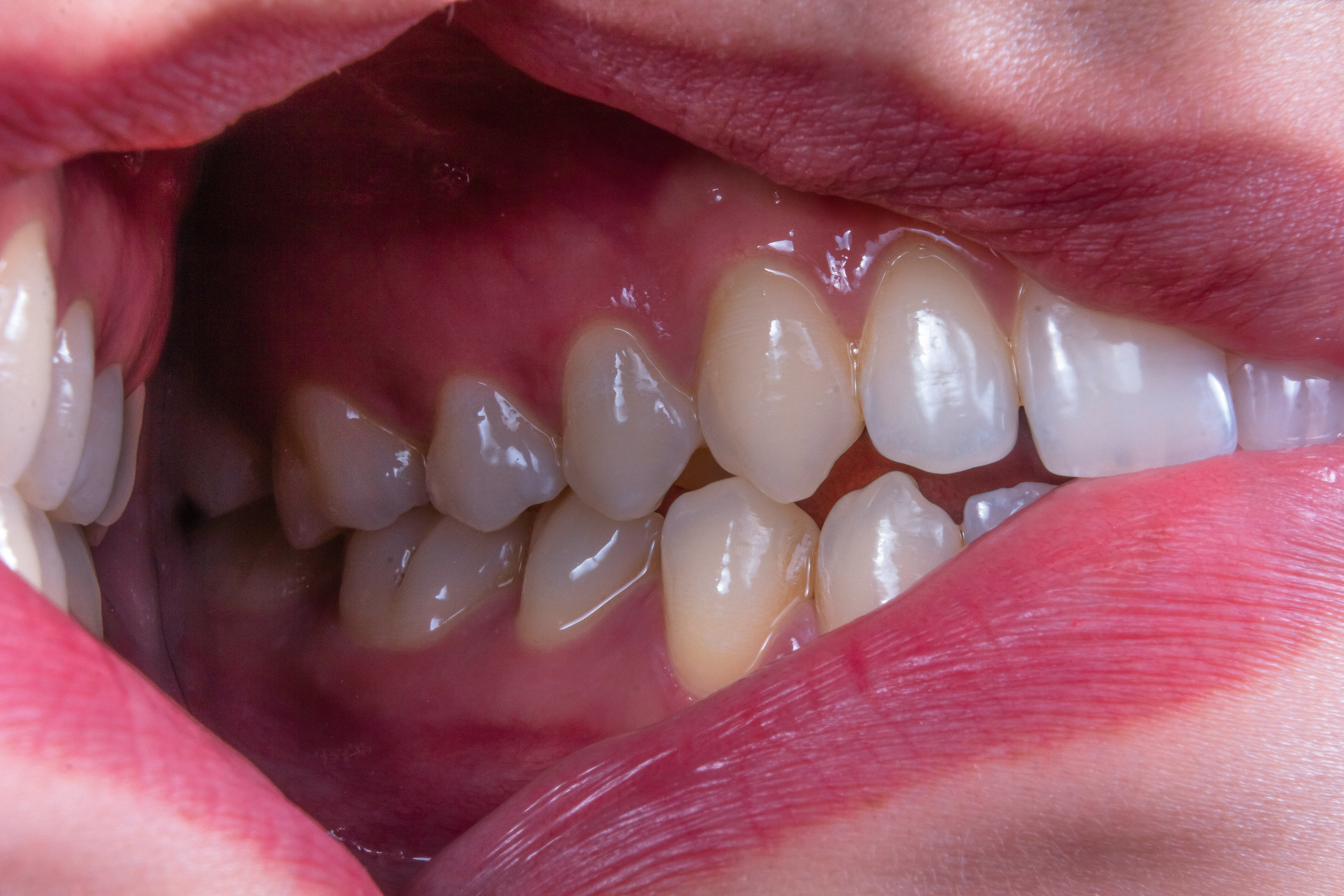
First came the news that hair toothpaste could help to reverse some early signs of enamel degeneration (even more so than already-impressive fluoride ). And now, researchers have discovered that amino acid arginine, which is naturally found in our saliva, is also key to preventing tooth decay with the help of healthy mouth bacteria. Researchers had previously seen that arginine changed the biofilm , or the sticky layer of bacteria that’s been linked to decay, in in vitro dental studies. These can include extracted teeth , dental models, and other simulations of the mouth. But a new paper, published in the International Journal of Oral Science , saw changes in the human mouth, too. How can arginine help to prevent cavities? When we eat, especially if we eat sugary foods, acids are released that can wear away our tooth enamel. The biofilm keeps these acids next to the teeth. Some “good” bacteria found in the mouth have an arginine deiminase system (ADS), which turns the arginine in our saliva into an alkaline compound that neutralises these acids, the paper found. That prevents or delays them from wearing holes (cavities) in your teeth. The scientists got 12 people with cavities and gave them dentures which were designed to record the biofilm on their surface. They asked them to dip the dentures into a sugar film for five minutes, then into either distilled water or an arginine solution for half an hour. This was repeated three times a day for four days. “The aim was to investigate the impact of arginine treatment on the acidity, type of bacteria, and the carbohydrate matrix of biofilms from patients with active caries,” study co-author Professor Sebastian Schlafer said . After testing both the water-treated and arginine-treated dentures, they found that the biofilm on dentures treated with arginine was less acidic than those which were treated with water, while the carbohydrate structure and microbiome on the dentures appeared to have more anti-cavity changes, too. “Our results revealed differences in acidity of the biofilms, with the ones treated with arginine being significantly more protected against acidification caused by sugar metabolism,” researcher Yumi C Del Ray, the study’s first author, said . This could be good news for cavity-prone people All of the participants involved in this study already had cavities. The researchers found “arginine treatment increased the resilience of biofilms against sucrose-induced pH drops” and it also “modulated the biofilm microbial composition and matrix architecture of in situ-grown biofilms from highly caries-active patients”. In short, arginine treatment could make sugar less disastrous to people at high risk of cavities. Related... Dentists Are Begging You To Stop Using These Viral Teeth-Whitening Hacks These 'Healthy' Habits Could Be Staining Your Teeth More Than Coffee This Gross Addition To Toothpaste Is Actually Best For Natural Enamel Repair

Supermarket will hand staff a pay rise in less than two months, ahead of an increase to the national minimum wage in April.
 Daily Mail UK
  The Guardian
  Evening Standard
  The Huffington Post
  Birmingham Live