Death on the inside: as a prison officer, I saw how the system perpetuates violence

Death on the inside: as a prison officer, I saw how the system perpetuates violence

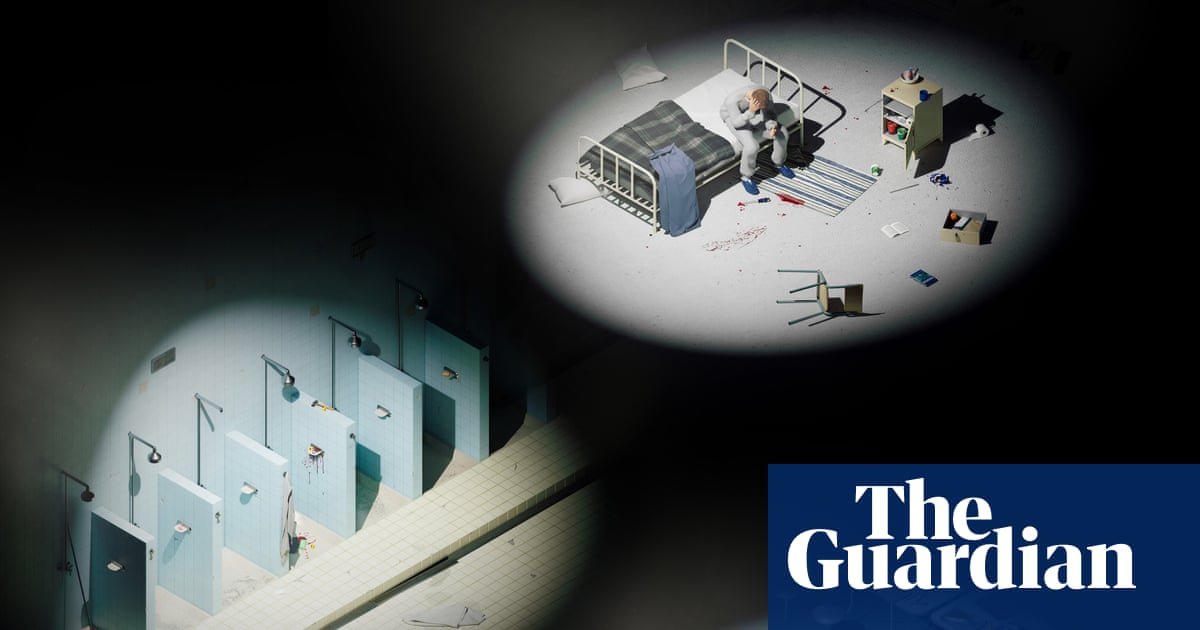
A rise of murders is traumatising inmates and staff, and making life harder for staff. But even in prison, violence isn’t inevitable There are hotspots for violence in prison. The exercise yard, the showers. There are peak times, too. Mealtimes and association periods are particularly volatile. But first thing in the morning is not when you expect to hear an alarm bell. I certainly didn’t, at 6am in my office on the residential wing of a high-security prison in late 2018. All prisoners were locked up at that time. But overcrowding has long been a problem in UK prisons, and keeping three men in cells designed for one can be a recipe for disaster. Continue reading...

Marine Le Pen’s appeal against embezzlement conviction to begin

Marine Le Pen’s appeal against embezzlement conviction to begin

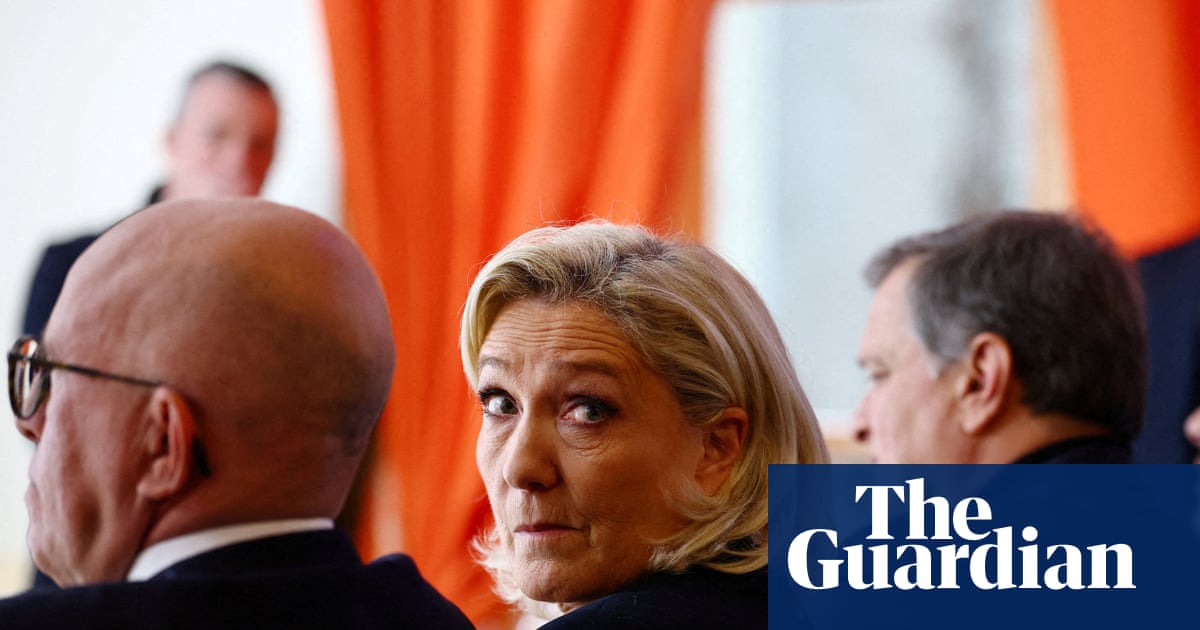
Paris trial’s outcome will determine whether leader of far-right National Rally can run for French presidency in 2027 The French far-right party leader Marine Le Pen will face a fresh trial on appeal on Tuesday over the embezzlement of European parliament funds in a case that will determine whether or not she can run in the 2027 presidential election. Le Pen, 57, who leads the far-right, anti-immigration National Rally (RN) , was considered to be a contender for next year’s election until she was barred from running for public office last March after being found guilty of an extensive and long-running fake jobs scam. Continue reading...

Lovers and fighters: how Les Liaisons Dangereuses reveals the passions of Christopher Hampton

Lovers and fighters: how Les Liaisons Dangereuses reveals the passions of Christopher Hampton

As the writer turns 80, his masterful adaptation of the French novel is being revived at the National Theatre. It highlights his lifelong interest in political power play I once dubbed Christopher Hampton, who celebrates his 80th birthday this month, “the quiet man of British theatre”. By that I meant that he was less prone to expressing his views in opinion pieces than contemporaries such as David Hare and David Edgar. The term also implied that his plays possessed a less idiosyncratic style than the work of, say, Harold Pinter or Tom Stoppard. But I suspect that Hampton’s regard for the classical virtues of objectivity, lucidity and irony means that his work will prove as durable as anyone’s. He is also, as I have seen, a man of considerable private passion. One incident in particular is branded on my memory. In November 1990 I was one of a group, including the director David Leveaux and set designer Bob Crowley, despatched by the British Council to Cairo to give a number of talks ahead of a visit by the National Theatre. We were privileged to be given a private night-time tour of the pyramids and were enjoying a quiet drink in the neighbouring hotel in Giza when in burst Hampton, who had just arrived from London. “Have you heard the news?” he cried. “Mrs Thatcher has been attacked in the Commons by Geoffrey Howe and it looks as if she’s in trouble.” Continue reading...

An ecosystem of smuggled tech holds Iran’s last link to the outside world

An ecosystem of smuggled tech holds Iran’s last link to the outside world

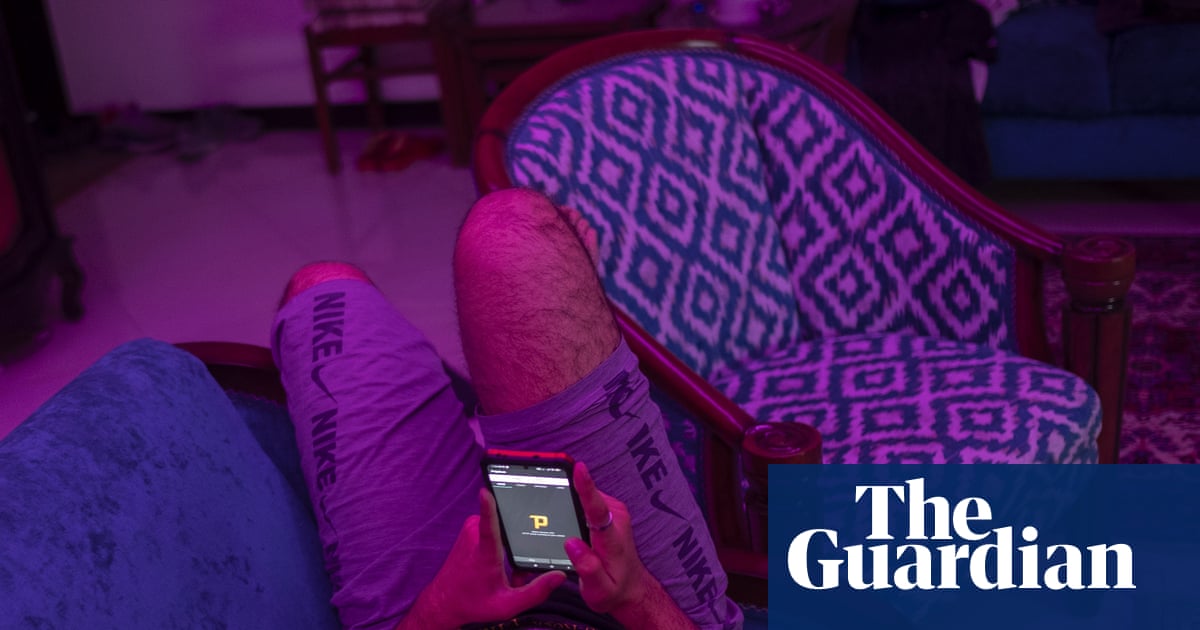
Despite internet blackout, a small number of Iranians are risking their lives to share messages as protests continue For most of Iran, the internet was shut off on Thursday afternoon – the most severe blackout the country has seen in years of internet shutdowns, coming after days of escalating anti-government protests. For a very small sliver of the country, it is still possible to get photos and videos to the outside world, and even to make calls. The Telegram channel Vahid Online on Monday posted photos of dead bodies lying next to a street in Kahrizak, on the southern outskirts of Tehran; on Sunday, it shared a video of Iranians chanting “death to Khamenei” at a funeral. Continue reading...

The pulmonaut: how James Nestor turned breathing into a 3m copy bestseller

The pulmonaut: how James Nestor turned breathing into a 3m copy bestseller

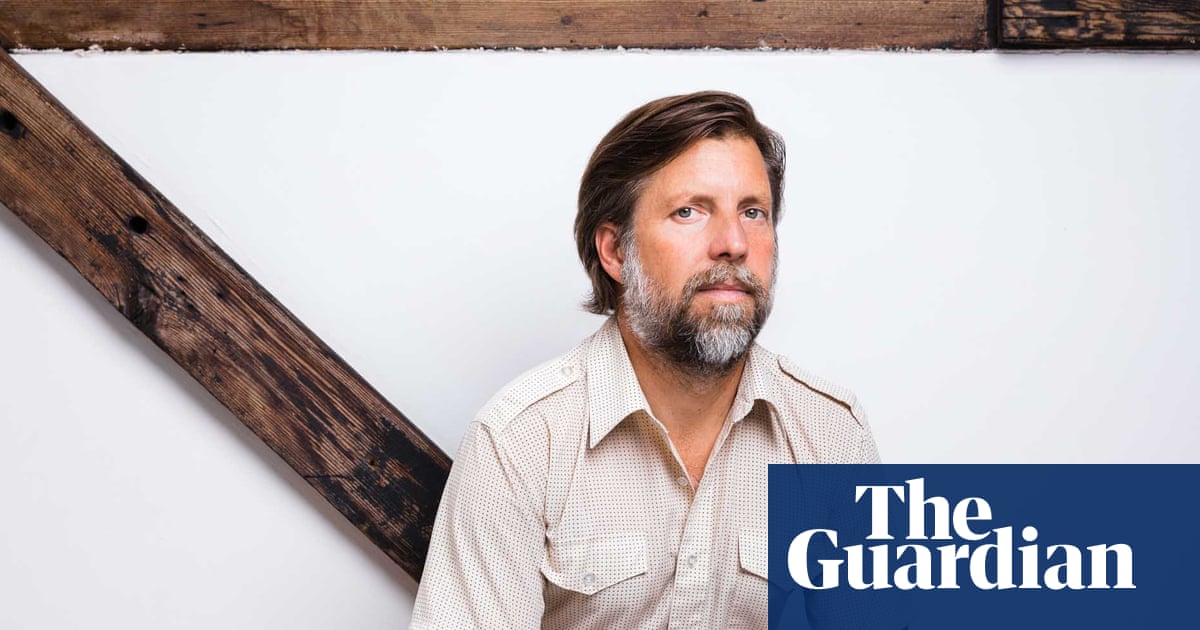
It is the most essential thing we do - yet many of us arguably breathe badly. The author of Breath explains how that can be changed In the last stages of writing his book, Breath, James Nestor was stressed. “Which was ironic when writing a book about breathing patterns and mellowing out,” he says. The book was late; he’d spent his advance and was haemorrhaging even more money on extra research that was taking him off in new, potentially interesting, directions – was it really necessary, he wondered, to go to Paris to look at old skulls buried in catacombs beneath the city? (It was.) Then a couple of months before the book’s May 2020 publication date, the Covid pandemic hit, and Nestor was advised to wait it out. He couldn’t afford to. “One of the main motivations for releasing it at that time was to get that [on-publication] advance,” he says. “But I’ll be honest, I didn’t want to release it. I said: ‘How are you going to promote a book that can’t be sold in stores, that I can’t tour for?’” He expected, he says, “absolutely zero to happen”. Continue reading...

He invented mini saunas for frogs – now this biologist has big plans to save hundreds of species

He invented mini saunas for frogs – now this biologist has big plans to save hundreds of species

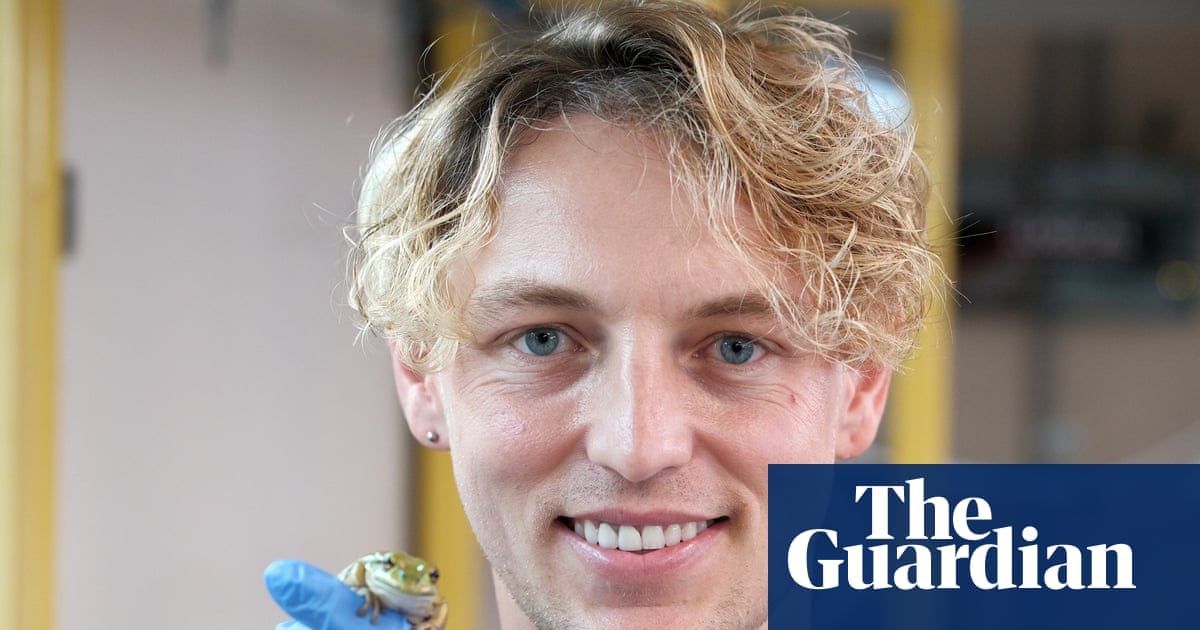
A deadly fungus has already wiped out 90 species and threatens 500 more but Anthony Waddle is hoping gene replacement could be their salvation Standing ankle-deep in water between two bare cottonwood trees on a hot spring day, eight-year-old Anthony Waddle was in his element. His attention was entirely absorbed by the attempt to net tadpoles swimming in a reservoir in the vast Mojave desert. It was “one of the perfect moments in my childhood”, he says. Continue reading...

UK retailers endure ‘drab December’ as non-food sales fall flat

UK retailers endure ‘drab December’ as non-food sales fall flat

Sales of clothes and computers fall, but discount supermarkets Aldi and Lidl enjoy bumper trading Retailers suffered a “drab Christmas”, ending the year with disappointing sales in their most important month, according to new data underlining the difficulties facing Britain’s high streets. Overall retail sales grew by just 1.2% in December compared with a year earlier, the British Retail Consortium (BRC) said. That was below the 12-month average of 2.3%. Continue reading...

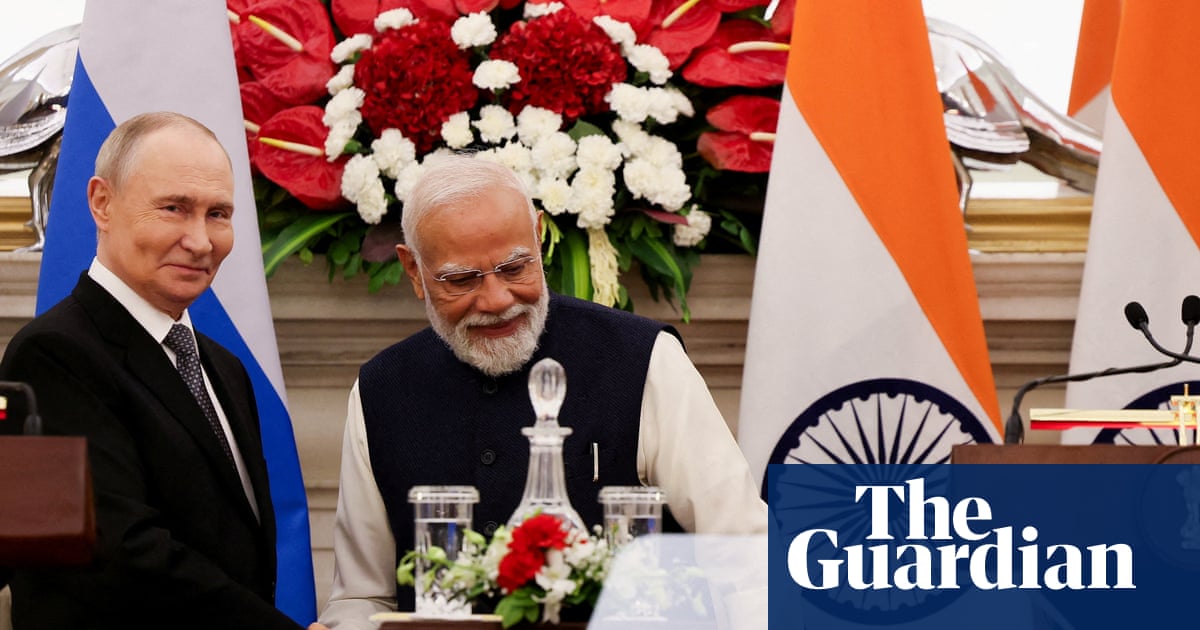
Russia working to circumvent sanctions to ensure India oil imports continue

Russia working to circumvent sanctions to ensure India oil imports continue

Delhi is world’s second largest purchaser of Russian crude, which is now cheaper than oil from Middle East Russia is already working to circumvent the latest US sanctions to ensure India can continue to import high levels of cheap Russian crude oil, according to industry analysts. Since the outbreak of the Ukraine war, India has become the world’s second largest purchaser of Russian crude oil , which has been heavily discounted due to the impact of western sanctions. Continue reading...

‘The real ringleader’: the Venezuelan security chief with a $25m bounty on his head

‘The real ringleader’: the Venezuelan security chief with a $25m bounty on his head

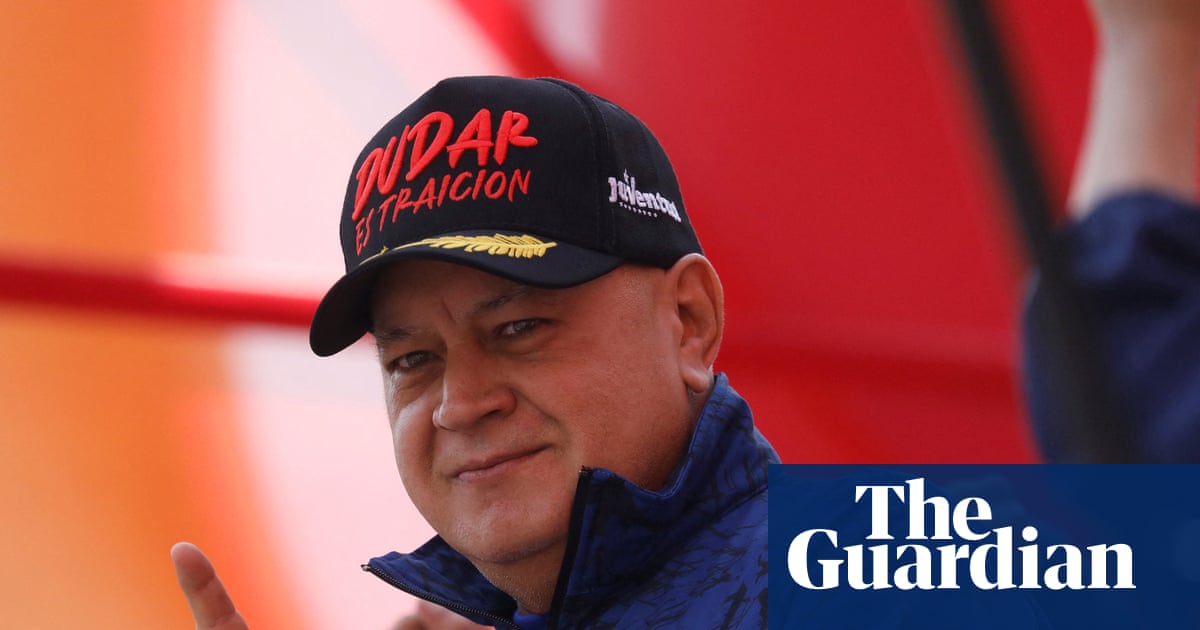
Security chief Diosdado Cabello is nicknamed the Octopus for good reason, with the regime’s fate said to rest with him His nickname is the Octopus, he hosts a TV show called Hitting it with a Sledgehammer and many Venezuelans consider him the real power in the land. Diosdado Cabello runs the regime’s security apparatus and is perhaps the most feared, reviled and, in some quarters, revered government figure, with influence to rival that of the interim president, Delcy Rodríguez. Continue reading...

Greenland is Europe’s credibility litmus test – it must show Trump that aggression carries a price | Fabian Zuleeg

Greenland is Europe’s credibility litmus test – it must show Trump that aggression carries a price | Fabian Zuleeg

In the new dog-eat-dog world order, appeasement doesn’t work. Time for the EU to grow up Fabian Zuleeg is chief executive of the European Policy Centre Donald Trump’s intervention in Venezuela is not a one-off shock. It epitomises his approach of interventionist isolationism based on a revisionist, neo-nationalist agenda in which power is exercised bluntly, international rules are optional and alliances are transactional. In such a dog-eat-dog world, hesitation and ambiguity do not stabilise the system; they become vulnerabilities to be exploited by a volatile and predatory Washington. The seizure of Venezuela’s president, Nicolás Maduro , combined with Trump’s renewed musings about acquiring Greenland , potentially by using the US military, should dispel any lingering illusion that this is merely erratic behaviour. It reflects a worldview in which sovereignty is conditional, spheres of influence are legitimate, and coercion is normalised when it delivers results in the interest of Trump and his administration. The real question now is not whether Europeans disapprove, but how pro-European liberal democratic forces respond. Three imperatives stand out. Fabian Zuleeg is chief executive and chief economist at the European Policy Centre Continue reading...

I'm A Therapist Who's Seeing More 'Cocooned' Kids In Clinic – It's Heartbreaking

I'm A Therapist Who's Seeing More 'Cocooned' Kids In Clinic – It's Heartbreaking

There is a group of children I see in my clinic which breaks my heart more than any other. They are not disruptive. They are not aggressive or “badly behaved”. They are what I call “cocooned” – sheltered from the world, always with good intention. These children live almost entirely in their bedrooms. Food is brought to them. Plates are taken away. Days pass without stepping outside. Sometimes weeks go by without meaningful human contact beyond a screen. Their parents are loving, attentive, and exhausted – bewildered by how family life has quietly collapsed around a child who is physically present, yet increasingly absent. This situation doesn’t arrive overnight. It creeps in silently, dismantling routines, relationships and hope. Holidays are cancelled. Family events disappear. Siblings adapt around the absence. The child becomes hostage in their own home – and by default, so do their parents. Almost without exception, these children are neurodivergent: autistic , ADHD , or both. Many went undiagnosed for years. Others were diagnosed too late, once burnout had already taken hold. Families arrive in my clinic in crisis, convinced they have failed their child. They haven’t – but anxiety has won. How withdrawal happens Children do not wake up one morning and decide to disappear from life. Withdrawal happens slowly, driven by anxiety that is allowed to grow unchecked. It starts with the odd day off school . A morning where anxiety feels too big to manage. Then another. Attendance becomes part-time. Then impossible. At first, friendships continue, but school is the thread that binds childhood relationships together. As attendance drops, invitations stop. Clubs fall away. Outside connections fade. The family becomes the child’s only safe place. At first, there are still shared meals and moments of closeness. But anxiety is patient. It whispers that coming downstairs feels overwhelming today. That eating in the bedroom is safer. Parents adapt – because when your child is in visible distress, protecting them feels instinctive. One meal becomes many. Leaving the house becomes frightening. Eventually, the bedroom becomes the entire world. This is the cocoon. Anxiety’s quiet victory Anxiety is not just fear – it is a control system. It shrinks a child’s world until everything feels unmanageable. And the smaller that world becomes, the louder anxiety grows. Parents often stop asking their child to do anything at all, not through neglect, but through fear. Every request ends in distress. I understand this deeply – professionally and personally. When my own neurodivergent child struggled with an after-school club, we were told to “push through”. But each session escalated their distress. It felt traumatic, not therapeutic. Here is the uncomfortable truth: removing all demands does not remove anxiety. It feeds it. The screen addiction problem we’re avoiding Modern childhood has added a powerful accelerant to this withdrawal: screens. Children in their bedrooms are not alone. They game, scroll, message and stream. But this is not connection in the way a nervous system understands it. Screens deliver fast, artificial dopamine – not the oxytocin that comes from shared experiences, physical presence, or belonging. I have worked with children spending 12 to 17 hours a day on screens. When parents attempt to set limits, the meltdowns can be extreme. Some parents tell me they are too frightened to intervene at all. Let’s be clear: distress is not the same as harm. Difficult is not the same as traumatic. If a child were addicted to drugs, we would not keep supplying them to avoid a meltdown. We would tolerate short-term distress to prevent long-term devastation – and we would get help. Screens are not drugs, but screen addiction hijacks the nervous system in a remarkably similar way. Screens have their place, particularly for neurodivergent children. But when they become the primary regulator of anxiety, they trap children inside the cocoon. Difficult is not traumatic All children need to do difficult things: lose games, feel bored, turn off an iPad, tolerate discomfort. This is where resilience is built. Trauma is different. For neurodivergent children, trauma can be invisible: noisy dining halls, chaotic playgrounds, overwhelming sensory input. These daily “small T” traumas keep the nervous system locked in fight-or-flight. Forcing sustained trauma is harm. But avoiding all difficulty is also harm. The answer lies in scaffolding – meeting a child where they are, then gently and consistently expanding their world with support. Love alone is not enough Every parent I meet loves their child fiercely. What they lack is not effort, but support, guidance and a system that understands neurodivergent needs. What feels like protection can become containment. What feels kind can become corrosive. Bedrooms may feel safe, but children cannot grow there – only anxiety does. If we do not intervene thoughtfully, we risk losing an entire generation of neurodivergent children to isolation. They are not lazy, or broken. But they are overwhelmed. With the right support, they can re-emerge and flourish – not as neurotypical children, but as themselves. Kindness matters, but courage matters too. And sometimes, the most loving thing a parent can do is gently unlock the door of the cocoon, and walk forward with their child into a world that still feels frightening – but is full of possibility. Gee Eltringham is a SEN family psychotherapist and founder of SEN support platform, twigged. Related... Family Therapists Have A Name For The Family Member Who Is 'Always The Problem' Therapist's Simple 'Trick' Helps Dads Talk To Sons About Tough Topics Teachers Are Being Treated As Therapists – And Children Are Losing Out